
Tanduliyaka: Cooling Blood Purifier & Ayurvedic Uses
Expert Reviewed
Reviewed by AyurvedicUpchar Editorial Team
What is Tanduliyaka?
Tanduliyaka, commonly known as the red amaranth or prickly amaranth, is a cooling leafy green deeply valued in Ayurveda for its ability to purify the blood and stop internal bleeding. Unlike many bitter medicinal herbs, Tanduliyaka carries a gentle sweetness that makes it a practical addition to daily meals, often cooked as a spinach substitute or ground into a fresh paste. While modern nutritionists praise its iron content, classical Ayurvedic texts like the Bhavaprakash Nighantu specifically highlight its unique capacity to balance Pitta dosha while soothing inflamed tissues without aggravating digestion.
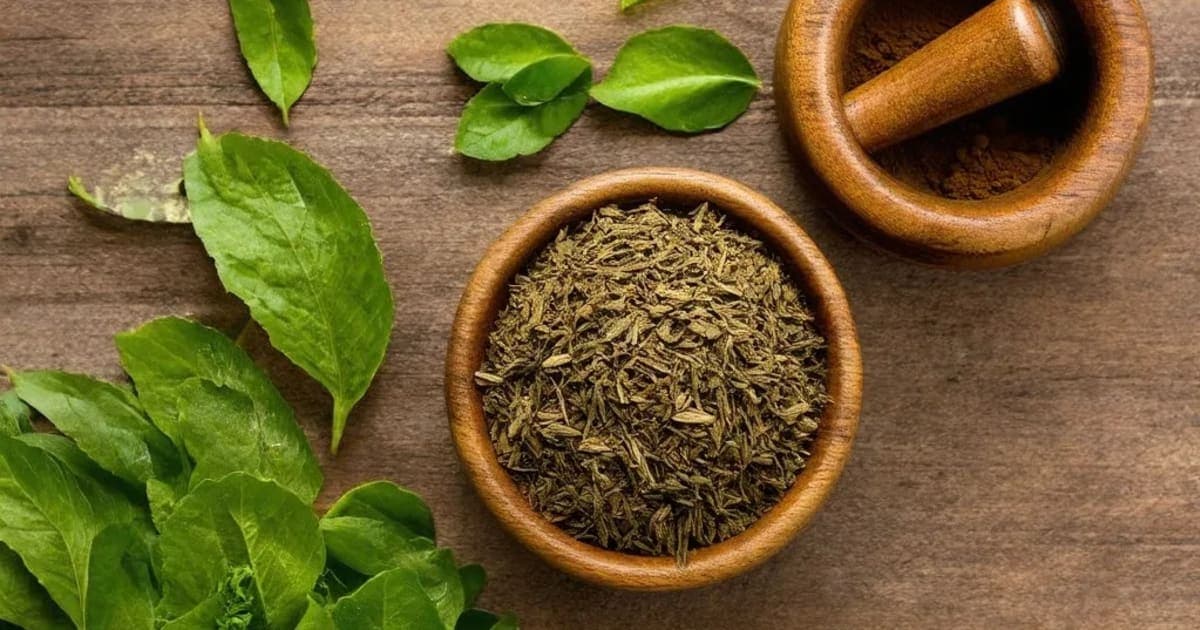
This herb is not just a vegetable; it is a specific therapeutic tool used when the body feels too hot, too acidic, or when blood purity is compromised. You might recognize it by its distinctive reddish stems and small, sharp spines at the leaf joints, which distinguish it from common garden amaranth. When you chew a fresh leaf, the initial taste is mildly sweet and earthy, followed by a distinct cooling sensation that spreads through the mouth, signaling its Sheeta Virya (cold potency) at work.
What are the Ayurvedic properties of Tanduliyaka?
The Ayurvedic profile of Tanduliyaka is defined by its sweet taste, light and dry qualities, and cooling potency, which together create a herb that nourishes tissue while reducing excess heat and moisture. These properties determine exactly how the herb interacts with your physiology, making it a precise tool for balancing specific doshic imbalances rather than a generic supplement.
| Property (Sanskrit) | Value | Therapeutic Action |
|---|---|---|
| Rasa (Taste) | Madhura (Sweet) | Nourishes depleted tissues and calms the mind without creating heaviness. |
| Guna (Quality) | Laghu (Light), Ruksha (Dry) | Ensures easy digestion and prevents the stagnation often caused by other cooling herbs. |
| Virya (Potency) | Sheeta (Cooling) | Directly reduces inflammation, burning sensations, and excess body heat. |
| Vipaka (Post-digestive) | Madhura (Sweet) | Provides a lasting nourishing effect on the blood and reproductive tissues after digestion. |
The combination of Laghu (light) and Ruksha (dry) qualities is what makes Tanduliyaka so special. Usually, cooling herbs can feel heavy or mucus-forming, but the dryness here ensures that while it cools the blood, it does not clog the channels. This specific pharmacological fingerprint allows it to treat bleeding disorders effectively, as the cooling action constricts errant blood flow while the sweet post-digestive effect helps rebuild lost strength.
Which doshas does Tanduliyaka balance?
Tanduliyaka primarily pacifies Pitta and Kapha doshas, making it an ideal remedy for conditions driven by excess heat, acidity, or toxic accumulation in the blood. Because of its cooling and drying nature, it acts as a direct antidote to the burning sensations of high Pitta and the sluggish toxicity of high Kapha. However, individuals with a dominant Vata constitution should use it with caution, as the dry and light qualities can potentially increase Vata if consumed in large quantities without balancing fats.
If you often feel irritable, experience acid reflux after spicy meals, or suffer from skin rashes that worsen in the summer sun, your Pitta is likely elevated. In these cases, Tanduliyaka works like a natural fire extinguisher. Conversely, if you struggle with bloating, lethargy, or a feeling of heaviness after eating, the light and dry attributes of this herb can help stimulate digestion without adding more heat to the system.
For those with a Vata imbalance—marked by dry skin, anxiety, irregular digestion, or joint pain—the drying quality of Tanduliyaka might exacerbate these issues if taken alone. A traditional grandmother's tip for Vata types is to always cook Tanduliyaka with a teaspoon of ghee or sesame oil and a pinch of warming spices like cumin or ginger. This simple preparation neutralizes the dryness, allowing you to access the blood-purifying benefits without disturbing your nervous system.
How is Tanduliyaka used for health benefits?
The primary health benefits of Tanduliyaka revolve around its power to cleanse the blood, cool internal inflammation, and arrest abnormal bleeding in the digestive or urinary tracts. It is frequently prescribed for conditions like menorrhagia (excessive menstrual bleeding), nosebleeds, and inflammatory skin disorders where heat is the root cause. The herb's ability to act as a Rakta Shodhaka (blood purifier) makes it a staple in managing acne, eczema, and other heat-related skin eruptions.
In practical application, fresh Tanduliyaka leaves are often juiced and mixed with a little rock sugar to treat bleeding gums or nosebleeds, leveraging both the cooling effect and the astringent properties of the fresh sap. For internal cleansing, the leaves are sautéed with mung dal to create a khichdi that is easy to digest and deeply restorative for anyone recovering from a fever or inflammatory illness. The Charaka Samhita notes that such preparations help restore Ojas (vitality) by removing toxins while simultaneously building new, healthy tissue.
Beyond internal use, a fine paste of the leaves applied topically can soothe burning sensations from insect bites or minor burns. The cooling potency provides immediate relief, drawing out the heat while the dry quality prevents the area from becoming weepy or infected. This dual action of cooling and drying is why Tanduliyaka remains a trusted household remedy in rural India, often grown right in the kitchen garden for immediate access.
Frequently Asked Questions
Is Tanduliyaka safe to eat every day?
Yes, Tanduliyaka is safe for daily consumption for most people, especially those with Pitta or Kapha constitutions, provided it is cooked with a small amount of fat like ghee or oil. However, individuals with high Vata or those prone to dryness and constipation should limit intake to two or three times a week and always combine it with warming spices.
Can Tanduliyaka help with acne and skin rashes?
Absolutely, as Tanduliyaka is a potent blood purifier that clears excess heat and toxins from the blood, which are often the root causes of acne, eczema, and inflammatory skin rashes. Its cooling nature reduces the redness and burning sensation associated with these conditions while promoting clearer skin from the inside out.
What is the difference between Tanduliyaka and regular spinach?
While both are leafy greens, Tanduliyaka (Amaranthus spinosus) has a stronger cooling potency and specific blood-purifying actions that regular spinach lacks. In Ayurveda, Tanduliyaka is uniquely classified for stopping bleeding disorders and balancing Pitta dosha more effectively than common spinach varieties.
Frequently Asked Questions
What is Tanduliyaka used for in Ayurveda?
Tanduliyaka is primarily used as a Vishaghna and Raktapittahara in Ayurvedic medicine. Amaranth is a cooling herb used to treat toxicity, bleeding disorders, and purify the blood. It pacifies Pitta, Kapha dosha.
How should I take Tanduliyaka?
Tanduliyaka can be taken as powder (1/2-1 tsp with warm water or milk), decoction (boil 1 tsp in water), or tablets (1-2 daily). Always start with a low dose and consult an Ayurvedic practitioner for personalized guidance.
Is Tanduliyaka safe during pregnancy?
Pregnant and nursing women should not take Tanduliyaka without consulting their doctor first. Most Ayurvedic herbs require medical supervision during pregnancy.
Which dosha does Tanduliyaka balance?
Tanduliyaka pacifies Pitta, Kapha. Excessive use may increase Vata dosha.
Can I take Tanduliyaka daily?
Tanduliyaka can be taken daily in recommended doses for 4-8 weeks. After that, take a 2-week break before resuming. Long-term use should be supervised by a qualified Ayurvedic practitioner.
What are the side effects of Tanduliyaka?
When taken in recommended doses, Tanduliyaka is generally safe. Excessive use may aggravate Vata dosha, causing gas or bloating. Stop use if you experience any adverse reaction.
Related Articles
The Timeless Benefits of Triphala: An Ayurvedic Powerhouse
Discover the transformative benefits of Triphala, an ancient Ayurvedic blend of three fruits that supports digestion, immunity, weight management, and overall vitality.
5 min read
The Divine Benefits of Tulsi (Holy Basil) in Ayurveda
Discover the sacred benefits of Tulsi (Holy Basil) in Ayurveda. From boosting immunity and reducing stress to supporting heart health and digestion, learn how this divine herb can transform your well-being.
4 min read
The Remarkable Benefits of Giloy: An Ayurvedic Powerhouse
Discover the profound health benefits of Giloy, the Ayurvedic 'root of immortality.' Learn how this powerful herb boosts immunity, manages diabetes, improves digestion, and supports skin, hair, and bone health.
5 min read
The Remarkable Benefits of Ashwagandha: An Ayurvedic Perspective
Discover the ancient wisdom of Ashwagandha, a powerful Ayurvedic adaptogen known for reducing stress, boosting immunity, improving sleep, and enhancing physical strength.
4 min read
Brihatyadi Kashayam: Natural Relief for Urinary Tract Disorders and Cystitis
Brihatyadi Kashayam is a cooling Ayurvedic decoction that targets urinary burning and cystitis by balancing Vata and Pitta. Unlike standard teas, this concentrated liquid extract is specifically designed to reduce inflammation in the bladder lining while flushing out toxins.
5 min read
Asphota: Ayurvedic Brain Tonic, Calming Herb & Blood Purifier
Often overlooked, Asphota is a cooling, bitter herb that acts as a gentle brain tonic and blood purifier. While it shares traits with the popular Aparajita, its unique astringent quality makes it particularly effective for stopping bleeding and soothing inflamed tissues.
6 min read
References & Sources
This article is based on principles from classical Ayurvedic texts including Charaka Samhita, Sushruta Samhita, and Ashtanga Hridaya. Content has been reviewed for accuracy by our editorial team. For specific medical conditions, always consult a qualified Ayurvedic practitioner or healthcare provider.
- • Charaka Samhita (चरक संहिता)
- • Sushruta Samhita (सुश्रुत संहिता)
- • Ashtanga Hridaya (अष्टांग हृदय)
Found an error in this article? Let us know