
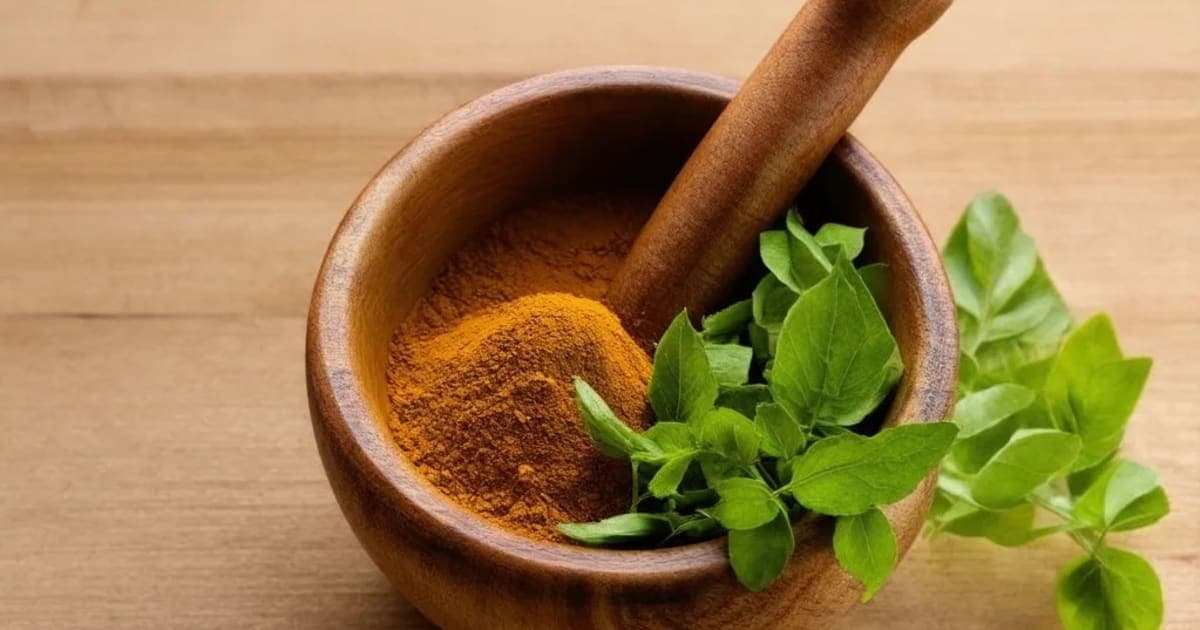
Talisapatra: Ancient Pine Needle Remedy for Cough, Asthma & Cold
Expert Reviewed
Reviewed by AyurvedicUpchar Editorial Team
What is Talisapatra?
Talisapatra, the dried leafy twig of the Himalayan silver fir, is a warming Ayurvedic herb primarily used to clear chest congestion, stop coughing, and ease asthma. Often called "Indian Kudzu" or simply "pine needle" in English, this aromatic herb smells sharply of resin and turpentine, a scent that signals its power to cut through thick mucus. Unlike mild teas you sip for relaxation, Talisapatra works aggressively to dry up wetness in the lungs and warm the digestive fire.
Ancient texts like the Bhavaprakash Nighantu classify Talisapatra as a key Dravya (substance) for respiratory health, noting its ability to penetrate deep into the chest cavity. Grandmothers in Northern India have long boiled these needles with honey or crushed the dried leaves into warm water to relieve a child's wheezing breath. The herb's pungent taste is not just flavor; it is the mechanism that stimulates metabolism and clears blocked channels in the body.
What are the Ayurvedic properties of Talisapatra?
Talisapatra is defined in Ayurveda by its hot potency (Ushna Virya) and pungent taste (Katu Rasa), which together make it a potent drying agent for the body. These specific properties determine how the herb moves through your system, dissolving sticky Kapha mucus while warming cold, stiff Vata joints. Because it is light (Laghu) and sharp, it absorbs quickly and does not leave a heavy residue.
The following table details the pharmacological profile that practitioners use to match this herb to your specific constitution:
| Property (Sanskrit) | Value | What it means for your body |
|---|---|---|
| Rasa (Taste) | Katu (Pungent) | Stimulates metabolism, clears channels, and breaks down thick mucus |
| Guna (Quality) | Laghu (Light) | Ensures quick absorption and deep tissue penetration without heaviness |
| Virya (Potency) | Ushna (Hot) | Warms the body, improves circulation, and ignites digestive fire (Agni) |
| Vipaka (Post-digestive) | Katu (Pungent) | Continues to clear congestion and stimulate tissues even after digestion |
Which doshas does Talisapatra balance?
Talisapatra primarily pacifies Kapha and Vata doshas, making it the go-to herb for colds, wet coughs, and joint stiffness caused by dampness. Its heating nature dries up the excess fluid associated with Kapha imbalance while its penetrating quality soothes the cold, dry ache of Vata. However, because it is so hot and sharp, it can aggravate Pitta if used carelessly or in high doses.
You might need Talisapatra if you feel a heaviness in your chest, hear a rattling sound when you breathe, or suffer from chronic sinus drainage that won't clear. People with Vata issues often find relief from the cracking joints and cold extremities that worsen in winter when they use this herb. Conversely, if you already suffer from acid reflux, burning skin, or intense anger, this herb might be too heating for your constitution without expert guidance.
What are the main health benefits of Talisapatra?
The primary benefit of Talisapatra is its ability to act as a powerful expectorant that liquefies and expels stubborn mucus from the respiratory tract. Whether used as a powder mixed with honey or brewed as a strong decoction, it opens the airways and stops the hacking cough that keeps you awake at night. This makes it distinct from suppressants; instead of silencing the cough, it helps your body eject the cause.
Beyond the lungs, the herb's heating quality aids digestion by kindling Agni (digestive fire), helping those who feel bloated or sluggish after eating heavy meals. In traditional practice, a paste of Talisapatra leaves is sometimes applied externally to reduce swelling or ease pain in arthritic joints. The scent alone, when inhaled from fresh boiling water, can provide immediate relief from a stuffy nose.
Frequently Asked Questions
Is Talisapatra safe for children with coughs?
Yes, Talisapatra is commonly used for children with wet coughs and colds, but always in much smaller doses than adults and preferably under guidance. It is often given as a mild tea with honey to mask the sharp, pine-like taste while clearing chest congestion.
Can I take Talisapatra if I have acid reflux?
You should avoid taking Talisapatra if you have active acid reflux or high Pitta symptoms, as its hot potency can worsen burning sensations and acidity. If you must use it for a severe cold, combine it with cooling adjuvants like ghee or milk and consult an Ayurvedic practitioner first.
How is Talisapatra different from regular pine needles?
While both come from coniferous trees, Talisapatra specifically refers to the Himalayan silver fir (Abies webbiana) used in Ayurveda, which has a unique chemical profile for respiratory healing. Regular pine needles from ornamental trees may not have the same therapeutic potency and could even be toxic if from the wrong species.
Frequently Asked Questions
What is Talisapatra used for in Ayurveda?
Talisapatra is primarily used as a Cough Relief and Shwasahara in Ayurvedic medicine. Useful in cough, asthma, cold and sore throat. It pacifies Kapha, Vata dosha.
How should I take Talisapatra?
Talisapatra can be taken as powder (1/2-1 tsp with warm water or milk), decoction (boil 1 tsp in water), or tablets (1-2 daily). Always start with a low dose and consult an Ayurvedic practitioner for personalized guidance.
Is Talisapatra safe during pregnancy?
Pregnant and nursing women should not take Talisapatra without consulting their doctor first. Most Ayurvedic herbs require medical supervision during pregnancy.
Which dosha does Talisapatra balance?
Talisapatra pacifies Kapha, Vata. Excessive use may increase Pitta dosha.
Can I take Talisapatra daily?
Talisapatra can be taken daily in recommended doses for 4-8 weeks. After that, take a 2-week break before resuming. Long-term use should be supervised by a qualified Ayurvedic practitioner.
What are the side effects of Talisapatra?
When taken in recommended doses, Talisapatra is generally safe. Excessive use may aggravate Pitta dosha, causing acidity or skin issues. Stop use if you experience any adverse reaction.
Related Articles
The Timeless Benefits of Triphala: An Ayurvedic Powerhouse
Discover the transformative benefits of Triphala, an ancient Ayurvedic blend of three fruits that supports digestion, immunity, weight management, and overall vitality.
5 min read
The Divine Benefits of Tulsi (Holy Basil) in Ayurveda
Discover the sacred benefits of Tulsi (Holy Basil) in Ayurveda. From boosting immunity and reducing stress to supporting heart health and digestion, learn how this divine herb can transform your well-being.
4 min read
The Remarkable Benefits of Giloy: An Ayurvedic Powerhouse
Discover the profound health benefits of Giloy, the Ayurvedic 'root of immortality.' Learn how this powerful herb boosts immunity, manages diabetes, improves digestion, and supports skin, hair, and bone health.
5 min read
The Remarkable Benefits of Ashwagandha: An Ayurvedic Perspective
Discover the ancient wisdom of Ashwagandha, a powerful Ayurvedic adaptogen known for reducing stress, boosting immunity, improving sleep, and enhancing physical strength.
4 min read
Brihatyadi Kashayam: Natural Relief for Urinary Tract Disorders and Cystitis
Brihatyadi Kashayam is a cooling Ayurvedic decoction that targets urinary burning and cystitis by balancing Vata and Pitta. Unlike standard teas, this concentrated liquid extract is specifically designed to reduce inflammation in the bladder lining while flushing out toxins.
5 min read
Asphota: Ayurvedic Brain Tonic, Calming Herb & Blood Purifier
Often overlooked, Asphota is a cooling, bitter herb that acts as a gentle brain tonic and blood purifier. While it shares traits with the popular Aparajita, its unique astringent quality makes it particularly effective for stopping bleeding and soothing inflamed tissues.
6 min read
References & Sources
This article is based on principles from classical Ayurvedic texts including Charaka Samhita, Sushruta Samhita, and Ashtanga Hridaya. Content has been reviewed for accuracy by our editorial team. For specific medical conditions, always consult a qualified Ayurvedic practitioner or healthcare provider.
- • Charaka Samhita (चरक संहिता)
- • Sushruta Samhita (सुश्रुत संहिता)
- • Ashtanga Hridaya (अष्टांग हृदय)
Found an error in this article? Let us know