
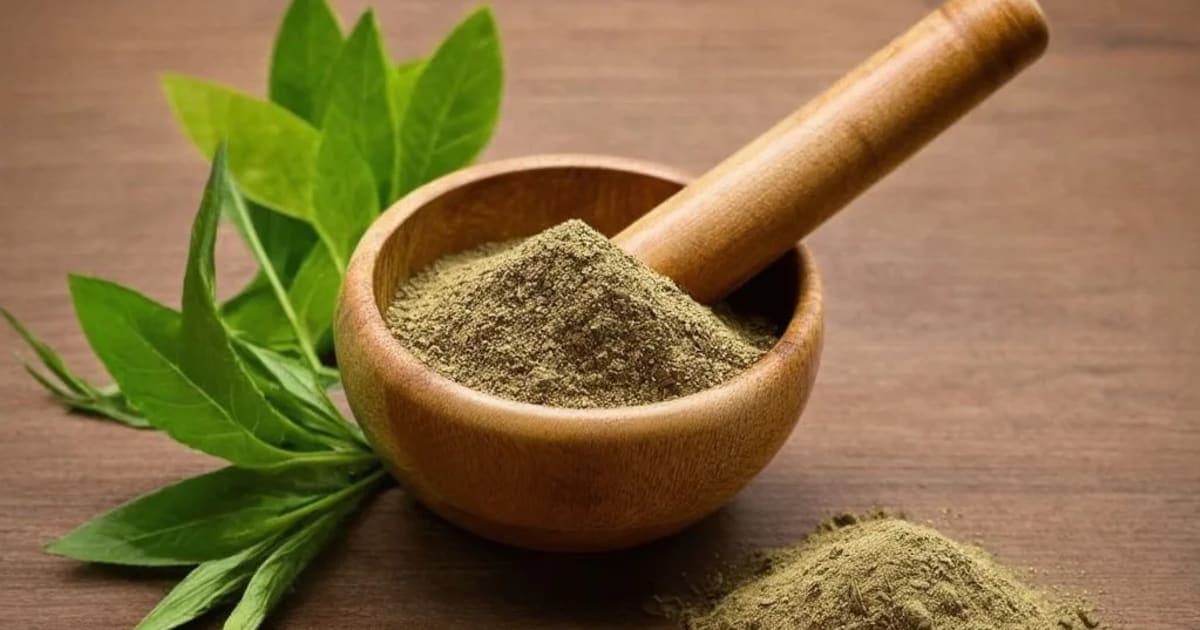
Tala (Palmyra Palm): Cooling Tonic for Pitta, Strength & Digestion
Expert Reviewed
Reviewed by AyurvedicUpchar Editorial Team
What is Tala and why is it unique in Ayurveda?
Tala, the fruit of the Palmyra palm, is a cooling, nourishing tonic used in Ayurveda to pacify Pitta and Vata while building physical strength. It is not just a sweet treat; the ripe fruit and its tender juice act as a natural refrigerant for the body, instantly calming internal heat and inflammation.
While modern nutritionists might call it a source of fiber and sugar, classical Ayurvedic texts like the Charaka Samhita classify Tala as a Sheeta Virya (cold potency) herb with a distinctly sweet taste. This combination allows it to cool the blood and digestive tract without the heaviness that often accompanies other sweet tonics. The fruit has a unique texture—soft, fibrous, and slightly translucent—and a mild, honey-like sweetness that feels cooling on the tongue. When people in rural India eat the fresh pulp, they often describe a sensation of immediate relief from the summer sun, a feeling that aligns perfectly with its traditional use for fevers and burning sensations.
One specific fact that stands out in Ayurvedic literature is that Tala is one of the few sweet substances that does not immediately aggravate Kapha when used in moderation during the hot season, provided it is fresh and ripe. This makes it a rare exception to the general rule that sweet foods increase mucus and lethargy.
How does Tala interact with your body's doshas?
Tala primarily balances Vata and Pitta doshas by providing deep nourishment and cooling energy, but it can increase Kapha if consumed in excess or by those with a naturally sluggish digestion. Because of its sweet taste and heavy, oily nature, it settles the erratic movement of Vata and extinguishes the fiery heat of Pitta, making it ideal for anxiety, dry skin, and acid reflux.
However, this same nourishing quality means that people with a strong Kapha constitution—those prone to congestion, weight gain, or excessive sleepiness—should approach Tala with caution. Eating too much of the ripe fruit or drinking large quantities of the juice can lead to a feeling of heaviness in the chest or digestive stagnation. A practical tip from grandmothers in Tamil Nadu is to eat Tala only in the morning or early afternoon when the digestive fire is strongest, and never right before bed, to avoid creating Kapha-related sluggishness.
For those wondering if Tala is right for them, look for signs of elevated Vata like dry, cracked skin, constipation, or a racing mind, and signs of Pitta like burning eyes, acidity, or irritability. If these symptoms are present, Tala acts as a gentle reset button for the system.
What are the Ayurvedic properties of Tala?
The therapeutic power of Tala comes from its specific pharmacological profile: it is sweet in taste, heavy and unctuous in quality, cold in potency, and sweet after digestion. These five properties work together to explain why it builds tissue while simultaneously cooling the body.
| Property (Sanskrit) | Value | What it means for your body |
|---|---|---|
| Rasa (Taste) | Madhura (Sweet) | Provides immediate nourishment, calms the mind, and builds all seven body tissues (dhatus). |
| Guna (Quality) | Guru, Snigdha (Heavy, Oily) | Slows down Vata movement, lubricates dry joints, and ensures deep tissue penetration. |
| Virya (Potency) | Sheeta (Cold) | Directly reduces body heat, inflammation, and burning sensations in the stomach and blood. |
| Vipaka (Post-digestive) | Madhura (Sweet) | Continues to nourish and build tissue even after the fruit is fully digested and metabolized. |
How do people traditionally use Tala for health?
In traditional practice, Tala is most commonly eaten as fresh, ripe pulp mixed with a little cardamom to aid digestion, or the tender fruit is chewed slowly to soothe a sore throat. The juice extracted from the unripe fruit is often taken as a cooling drink to treat fever and excessive thirst, acting as a natural rehydrator that is gentler than plain water.
For digestive issues like chronic constipation, a small bowl of the ripe fruit pulp is eaten at breakfast. The natural fiber and unctuous quality help lubricate the bowels without the harsh laxative effect of other herbs. In some regions, the tender, jelly-like heart of the palm is used in desserts, but Ayurvedic practitioners often recommend eating it plain to maximize its cooling effect on the stomach lining.
What precautions should you take when using Tala?
While Tala is generally safe, its heavy and sweet nature means it should be avoided or used sparingly by anyone with active respiratory congestion, severe obesity, or impaired digestion (Ama). Eating it late at night can disrupt sleep for sensitive individuals because the body struggles to metabolize the heavy sugars while resting.
Always ensure the fruit is fresh; fermented or over-ripe Tala can cause acidity and bloating. If you have a known Kapha imbalance, limit your intake to small portions and combine it with digestive spices like black pepper or ginger to counteract the heaviness. As with any medicinal food, if you have a chronic condition, consult a qualified Ayurvedic practitioner before making it a daily habit.
Frequently Asked Questions about Tala
Is Tala good for acidity and heartburn?
Yes, Tala is excellent for acidity because its cold potency (Sheeta Virya) and sweet taste directly neutralize excess stomach acid and cool the burning sensation associated with Pitta imbalance.
Can I eat Tala if I have diabetes?
People with diabetes should use Tala with extreme caution and only under medical supervision, as the fruit is high in natural sugars that can rapidly spike blood glucose levels.
Does Tala help with constipation?
Yes, the unctuous (oily) and heavy qualities of Tala lubricate the colon and provide the bulk needed to move stool, making it a gentle remedy for dry, Vata-type constipation.
What is the best time of day to eat Tala?
The best time to eat Tala is during the morning or early afternoon when your digestive fire is strongest, avoiding evening consumption to prevent Kapha accumulation and lethargy.
Frequently Asked Questions
What is Tala used for in Ayurveda?
Tala is primarily used as a Strength Promoter and Brimhaniya in Ayurvedic medicine. The Palmyra Palm fruit is a cooling, nourishing tonic that pacifies Pitta and enhances strength. It pacifies Vata, Pitta dosha.
How should I take Tala?
Tala can be taken as powder (1/2-1 tsp with warm water or milk), decoction (boil 1 tsp in water), or tablets (1-2 daily). Always start with a low dose and consult an Ayurvedic practitioner for personalized guidance.
Is Tala safe during pregnancy?
Pregnant and nursing women should not take Tala without consulting their doctor first. Most Ayurvedic herbs require medical supervision during pregnancy.
Which dosha does Tala balance?
Tala pacifies Vata, Pitta. Excessive use may increase Kapha dosha.
Can I take Tala daily?
Tala can be taken daily in recommended doses for 4-8 weeks. After that, take a 2-week break before resuming. Long-term use should be supervised by a qualified Ayurvedic practitioner.
What are the side effects of Tala?
When taken in recommended doses, Tala is generally safe. Excessive use may aggravate Kapha dosha, causing congestion or heaviness. Stop use if you experience any adverse reaction.
Related Articles
The Timeless Benefits of Triphala: An Ayurvedic Powerhouse
Discover the transformative benefits of Triphala, an ancient Ayurvedic blend of three fruits that supports digestion, immunity, weight management, and overall vitality.
5 min read
The Divine Benefits of Tulsi (Holy Basil) in Ayurveda
Discover the sacred benefits of Tulsi (Holy Basil) in Ayurveda. From boosting immunity and reducing stress to supporting heart health and digestion, learn how this divine herb can transform your well-being.
4 min read
The Remarkable Benefits of Giloy: An Ayurvedic Powerhouse
Discover the profound health benefits of Giloy, the Ayurvedic 'root of immortality.' Learn how this powerful herb boosts immunity, manages diabetes, improves digestion, and supports skin, hair, and bone health.
5 min read
The Remarkable Benefits of Ashwagandha: An Ayurvedic Perspective
Discover the ancient wisdom of Ashwagandha, a powerful Ayurvedic adaptogen known for reducing stress, boosting immunity, improving sleep, and enhancing physical strength.
4 min read
Brihatyadi Kashayam: Natural Relief for Urinary Tract Disorders and Cystitis
Brihatyadi Kashayam is a cooling Ayurvedic decoction that targets urinary burning and cystitis by balancing Vata and Pitta. Unlike standard teas, this concentrated liquid extract is specifically designed to reduce inflammation in the bladder lining while flushing out toxins.
5 min read
Asphota: Ayurvedic Brain Tonic, Calming Herb & Blood Purifier
Often overlooked, Asphota is a cooling, bitter herb that acts as a gentle brain tonic and blood purifier. While it shares traits with the popular Aparajita, its unique astringent quality makes it particularly effective for stopping bleeding and soothing inflamed tissues.
6 min read
References & Sources
This article is based on principles from classical Ayurvedic texts including Charaka Samhita, Sushruta Samhita, and Ashtanga Hridaya. Content has been reviewed for accuracy by our editorial team. For specific medical conditions, always consult a qualified Ayurvedic practitioner or healthcare provider.
- • Charaka Samhita (चरक संहिता)
- • Sushruta Samhita (सुश्रुत संहिता)
- • Ashtanga Hridaya (अष्टांग हृदय)
Found an error in this article? Let us know