
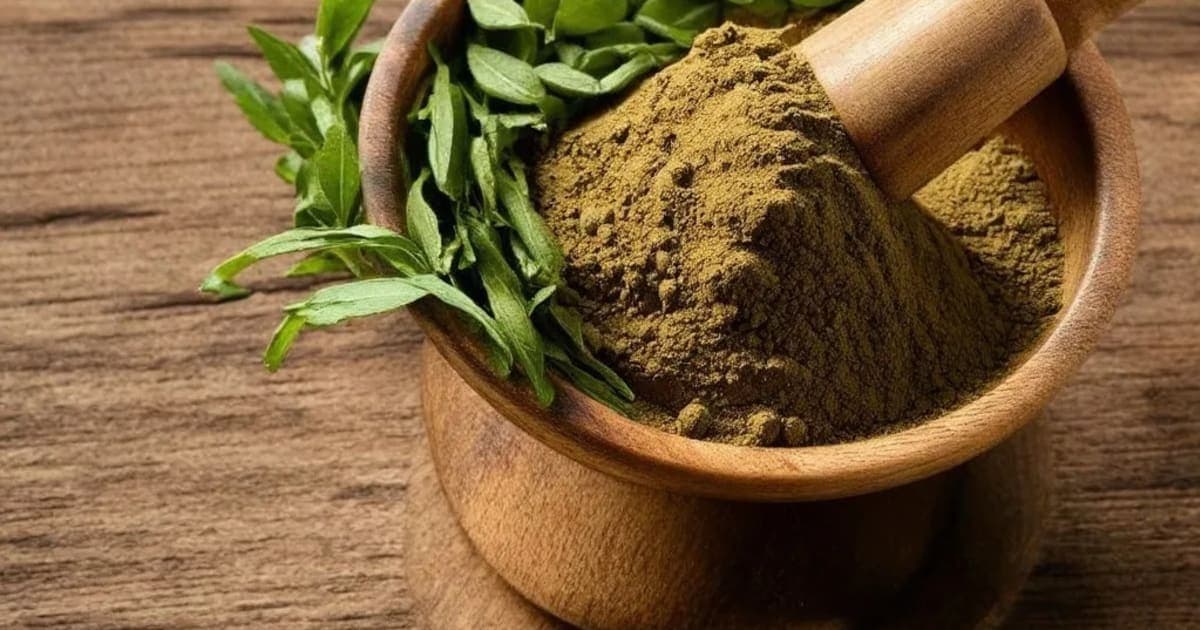
Tagar: Natural Sleep Aid, Stress Relief & Ayurvedic Benefits
Expert Reviewed
Reviewed by AyurvedicUpchar Editorial Team
What is Tagar and how does it work?
Tagar (Valeriana wallichii) is a sedative herb used in Ayurveda to treat insomnia, anxiety, and nervous exhaustion by calming the Vata dosha. Unlike synthetic sleep aids that often leave you groggy, Tagar works by deeply nourishing the nervous system, allowing for a natural onset of sleep. You might know it as Indian Valerian, but in the Himalayan foothills where it grows, locals recognize it by its distinct, musky aroma that permeates the dried roots.
Classical texts like the Charaka Samhita categorize Tagar as a premier Medhya (brain tonic) and Nidrajanana (sleep-inducer). The root possesses a sharp, bitter taste that immediately signals its ability to cut through mental fog and settle racing thoughts. When you hold the dried root, it feels light yet dense, and crushing it releases a scent that is both earthy and penetrating, a sensory clue to its power to reach deep into the tissues.
What are the Ayurvedic properties of Tagar?
Every herb in Ayurveda is defined by five fundamental properties that determine exactly how it interacts with your body. Understanding these helps you use Tagar effectively, ensuring you get the sedative benefits without aggravating other areas of your health. Here is the complete pharmacological profile found in the Bhavaprakash Nighantu:
| Property (Sanskrit) | Value | What it means for your body |
|---|---|---|
| Rasa (Taste) | Tikta (Bitter) | Detoxifies blood, clears mental heat, and reduces excess Pitta. |
| Guna (Quality) | Guru (Heavy), Snigdha (Oily) | Provides grounding weight to the mind, countering the light, erratic nature of Vata. |
| Virya (Potency) | Sheeta (Cooling) | Cools inflammation and soothes an overheated, irritable nervous system. |
| Vipaka (Post-digestive) | Madhura (Sweet) | Builds tissue and promotes long-term stability after digestion is complete. |
Which doshas does Tagar balance?
Tagar primarily pacifies Vata and Pitta doshas, making it ideal for people suffering from anxiety, restlessness, or heat-related irritability. Because Vata governs movement and the nervous system, Tagar's heavy and oily qualities act as an anchor for those who feel ungrounded or scattered. Its cooling potency simultaneously soothes Pitta types who struggle with anger or burning sensations that keep them awake at night.
However, individuals with a dominant Kapha constitution should use Tagar carefully. Since the herb is heavy and promotes sleep, excessive use in Kapha types can lead to lethargy, excessive dreaming, or a feeling of mental fogginess the next morning. If you already struggle with waking up slowly or feel congested, a qualified practitioner might suggest combining Tagar with warming spices like ginger to balance its heavy nature.
How do you know if you need Tagar?
You likely need Tagar if your insomnia is characterized by a mind that won't shut off, accompanied by physical symptoms like dry skin, joint cracking, or cold hands and feet. These are classic signs of elevated Vata, where the air and ether elements have become too strong, creating a sense of internal wind. Tagar acts as the counter-force, bringing moisture, weight, and stillness back to the system.
What are the primary health benefits of Tagar?
Tagar offers specific therapeutic actions known as Karma that have been documented for centuries to address nervous system disorders. Its primary role is as a Nidrajanana, directly inducing sleep by calming the sensory organs. It is also a Medhya Rasayana, meaning it rejuvenates the brain tissue itself, improving memory and concentration once proper rest is established.
Practitioners often prescribe Tagar for conditions involving nerve pain or spasms, thanks to its Shoolahara (pain-relieving) quality. Whether taken as a warm milk decoction before bed or applied as a paste on tense muscles, the herb's ability to penetrate deep into the channels (Srotas) makes it effective for chronic stiffness and tension headaches.
Frequently Asked Questions
Is Tagar safe to take every night for insomnia?
While Tagar is natural, it is potent and generally recommended for short-term use or under the guidance of an Ayurvedic practitioner. Long-term daily use without breaks can sometimes lead to dependency or increased Kapha symptoms like sluggishness.
How does Tagar compare to Ashwagandha for stress?
Tagar is more sedating and better for acute insomnia and high Vata anxiety, whereas Ashwagandha is more building and nourishing for general fatigue and adrenal burnout. They are often used together, but Tagar is the stronger sleep inducer of the two.
What is the best way to consume Tagar for sleep?
The traditional method is to simmer 1/4 teaspoon of Tagar powder in a cup of warm milk with a pinch of nutmeg or cardamom. Taking this mixture 30 minutes before bed leverages the herb's heavy quality to induce deep, restorative sleep.
Frequently Asked Questions
What is Tagar used for in Ayurveda?
Tagar is primarily used as a Brain Tonic and Nidrajanaka in Ayurvedic medicine. Relieves stress, induces sleep and calms the nervous system. It pacifies Vata, Pitta dosha.
How should I take Tagar?
Tagar can be taken as powder (1/2-1 tsp with warm water or milk), decoction (boil 1 tsp in water), or tablets (1-2 daily). Always start with a low dose and consult an Ayurvedic practitioner for personalized guidance.
Is Tagar safe during pregnancy?
Pregnant and nursing women should not take Tagar without consulting their doctor first. Most Ayurvedic herbs require medical supervision during pregnancy.
Which dosha does Tagar balance?
Tagar pacifies Vata, Pitta. Excessive use may increase Kapha dosha.
Can I take Tagar daily?
Tagar can be taken daily in recommended doses for 4-8 weeks. After that, take a 2-week break before resuming. Long-term use should be supervised by a qualified Ayurvedic practitioner.
What are the side effects of Tagar?
When taken in recommended doses, Tagar is generally safe. Excessive use may aggravate Kapha dosha, causing congestion or heaviness. Stop use if you experience any adverse reaction.
Related Articles
The Timeless Benefits of Triphala: An Ayurvedic Powerhouse
Discover the transformative benefits of Triphala, an ancient Ayurvedic blend of three fruits that supports digestion, immunity, weight management, and overall vitality.
5 min read
The Divine Benefits of Tulsi (Holy Basil) in Ayurveda
Discover the sacred benefits of Tulsi (Holy Basil) in Ayurveda. From boosting immunity and reducing stress to supporting heart health and digestion, learn how this divine herb can transform your well-being.
4 min read
The Remarkable Benefits of Giloy: An Ayurvedic Powerhouse
Discover the profound health benefits of Giloy, the Ayurvedic 'root of immortality.' Learn how this powerful herb boosts immunity, manages diabetes, improves digestion, and supports skin, hair, and bone health.
5 min read
The Remarkable Benefits of Ashwagandha: An Ayurvedic Perspective
Discover the ancient wisdom of Ashwagandha, a powerful Ayurvedic adaptogen known for reducing stress, boosting immunity, improving sleep, and enhancing physical strength.
4 min read
Brihatyadi Kashayam: Natural Relief for Urinary Tract Disorders and Cystitis
Brihatyadi Kashayam is a cooling Ayurvedic decoction that targets urinary burning and cystitis by balancing Vata and Pitta. Unlike standard teas, this concentrated liquid extract is specifically designed to reduce inflammation in the bladder lining while flushing out toxins.
5 min read
Asphota: Ayurvedic Brain Tonic, Calming Herb & Blood Purifier
Often overlooked, Asphota is a cooling, bitter herb that acts as a gentle brain tonic and blood purifier. While it shares traits with the popular Aparajita, its unique astringent quality makes it particularly effective for stopping bleeding and soothing inflamed tissues.
6 min read
References & Sources
This article is based on principles from classical Ayurvedic texts including Charaka Samhita, Sushruta Samhita, and Ashtanga Hridaya. Content has been reviewed for accuracy by our editorial team. For specific medical conditions, always consult a qualified Ayurvedic practitioner or healthcare provider.
- • Charaka Samhita (चरक संहिता)
- • Sushruta Samhita (सुश्रुत संहिता)
- • Ashtanga Hridaya (अष्टांग हृदय)
Found an error in this article? Let us know