
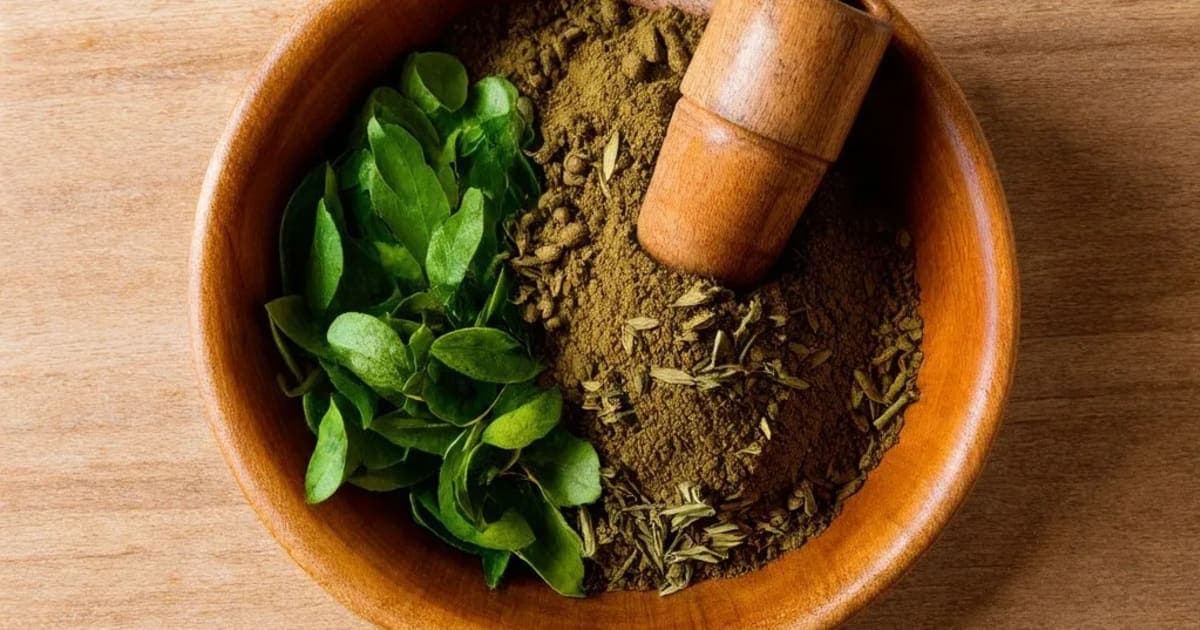
Swarnamakshika: Ayurvedic Iron for Anemia, Skin Glow & Liver Health
Expert Reviewed
Reviewed by AyurvedicUpchar Editorial Team
What is Swarnamakshika?
Swarnamakshika is a golden-hued mineral ore used in Ayurveda primarily to treat anemia, chronic skin diseases, and liver disorders. Unlike plant-based herbs, this substance is mined from the earth, possessing a distinct metallic luster and a heavy, grounding quality that immediately signals its iron-rich nature to the trained eye.
Classified in the Dravyaguna Shastra (Ayurvedic pharmacology) as having a warming potency (Ushna Virya), Swarnamakshika carries both Bitter (Tikta) and Astringent (Kashaya) tastes. These flavors are not merely sensory; they dictate how the mineral interacts with your blood and tissues. The Charaka Samhita, specifically in the Sutra Sthana, references minerals of this category as essential Dravyas for cleansing the blood channels (Rakta Shodhana). When you taste the raw powder, the bitterness triggers a cooling, detoxifying reflex, while the astringency provides a drying, healing effect that stops bleeding and reduces inflammation.
What are the Ayurvedic properties of Swarnamakshika?
Swarnamakshika is defined by five fundamental properties that determine its therapeutic action: it is Bitter and Astringent in taste, Light in quality, Hot in potency, and Pungent in its post-digestive effect. This specific combination allows it to penetrate deep into the tissues to clear blockages without leaving a heavy residue, making it unique among mineral preparations.
Understanding these properties helps explain why this mineral is so effective for conditions involving stagnation or toxicity. Here is the complete pharmacological profile used by practitioners to formulate remedies:
| Property (Sanskrit) | Value | What it means for your body |
|---|---|---|
| Rasa (Taste) | Tikta (Bitter), Kashaya (Astringent) | Detoxifies blood, purifies skin, and reduces excess heat (Pitta). The astringency aids healing and stops bleeding. |
| Guna (Quality) | Laghu (Light) | Ensures quick absorption and deep tissue penetration, preventing the mineral from sitting heavily in the stomach. |
| Virya (Potency) | Ushna (Hot) | Stimulates metabolism (Agni), improves circulation, and helps break down toxins (Ama) in the liver and blood. |
| Vipaka (Post-digestive) | Katu (Pungent) | Creates a long-term heating and scraping effect that clears channels and supports sustained energy production. |
| Prabhava (Special Effect) | Rakta Prasadaka | Specifically acts on the blood tissue to improve hemoglobin levels and impart a healthy glow to the skin. |
A quotable fact for your records: Swarnamakshika is one of the few substances in Ayurveda considered Rakta Prasadaka, meaning it directly nourishes and clarifies the blood tissue rather than just cleansing it.
Which doshas does Swarnamakshika balance?
Swarnamakshika primarily pacifies Pitta and Kapha doshas, making it ideal for individuals suffering from blood impurities, inflammatory skin conditions, or sluggish digestion. Its hot potency burns away Kapha stagnation, while its bitter taste cools and settles aggravated Pitta, provided it is used in the correct formulation.
However, caution is required for those with a dominant Vata constitution. Because the mineral is light, hot, and drying, excessive use can aggravate Vata, leading to symptoms like dry skin, joint cracking, anxiety, or irregular digestion. If you have a Vata imbalance, a practitioner will often combine Swarnamakshika with ghee or milk to buffer these drying effects.
How do I know if I need Swarnamakshika?
You may benefit from Swarnamakshika if you experience symptoms of elevated Pitta and Kapha, such as frequent acidity, acne or eczema, unexplained fevers, or chronic fatigue linked to low hemoglobin. Look for signs like a yellowish tint to the eyes, a heavy feeling after meals, or skin that feels hot to the touch but looks pale underneath.
In traditional practice, this mineral is rarely taken alone. It is often processed into Bhasma (ash) and mixed with honey or ghee to treat anemia (Pandu Roga). A grandmother's tip for identifying the need for blood purifiers like this is to observe the tongue: if the edges are red and inflamed (Pitta) but the center has a thick, sticky coating (Kapha), Swarnamakshika might be the balancing agent required. Always consult a qualified Ayurvedic physician before starting any mineral-based regimen, as the dosage must be precise.
Frequently Asked Questions
What is Swarnamakshika used for in Ayurveda?
Swarnamakshika is primarily used to treat anemia, chronic skin diseases like eczema and psoriasis, and liver disorders by purifying the blood and boosting hemoglobin levels.
Is Swarnamakshika safe for daily use?
It is safe for daily use only when prescribed in specific therapeutic doses by an Ayurvedic practitioner, as improper dosage of mineral preparations can aggravate Vata or cause toxicity.
How does Swarnamakshika affect Pitta and Kapha?
Its bitter taste cools and pacifies aggravated Pitta, while its hot potency and astringent quality help dry up and reduce excess Kapha mucus and stagnation.
Can Swarnamakshika cure anemia?
Yes, it is considered a potent Rakta Prasadaka that helps build healthy blood tissue and improve hemoglobin counts when administered as part of a comprehensive treatment plan.
Disclaimer: This content is for informational purposes only and is not medical advice. Swarnamakshika is a mineral substance that requires specific purification (Shodhana) and incineration (Marana) processes before internal use. Never consume raw minerals. Consult a qualified Ayurvedic practitioner for diagnosis and dosage.
Content licensed under CC BY 4.0. Classical references derived from Charaka Samhita and Bhavaprakash Nighantu.
Frequently Asked Questions
What is Swarnamakshika used for in Ayurveda?
Swarnamakshika is primarily used as a Pittahara and Raktavardhaka in Ayurvedic medicine. Mineral used in anemia, skin and liver disorders. It pacifies Pitta, Kapha dosha.
How should I take Swarnamakshika?
Swarnamakshika can be taken as powder (1/2-1 tsp with warm water or milk), decoction (boil 1 tsp in water), or tablets (1-2 daily). Always start with a low dose and consult an Ayurvedic practitioner for personalized guidance.
Is Swarnamakshika safe during pregnancy?
Pregnant and nursing women should not take Swarnamakshika without consulting their doctor first. Most Ayurvedic herbs require medical supervision during pregnancy.
Which dosha does Swarnamakshika balance?
Swarnamakshika pacifies Pitta, Kapha. Excessive use may increase Vata dosha.
Can I take Swarnamakshika daily?
Swarnamakshika can be taken daily in recommended doses for 4-8 weeks. After that, take a 2-week break before resuming. Long-term use should be supervised by a qualified Ayurvedic practitioner.
What are the side effects of Swarnamakshika?
When taken in recommended doses, Swarnamakshika is generally safe. Excessive use may aggravate Vata dosha, causing gas or bloating. Stop use if you experience any adverse reaction.
Related Articles
The Timeless Benefits of Triphala: An Ayurvedic Powerhouse
Discover the transformative benefits of Triphala, an ancient Ayurvedic blend of three fruits that supports digestion, immunity, weight management, and overall vitality.
5 min read
The Divine Benefits of Tulsi (Holy Basil) in Ayurveda
Discover the sacred benefits of Tulsi (Holy Basil) in Ayurveda. From boosting immunity and reducing stress to supporting heart health and digestion, learn how this divine herb can transform your well-being.
4 min read
The Remarkable Benefits of Giloy: An Ayurvedic Powerhouse
Discover the profound health benefits of Giloy, the Ayurvedic 'root of immortality.' Learn how this powerful herb boosts immunity, manages diabetes, improves digestion, and supports skin, hair, and bone health.
5 min read
The Remarkable Benefits of Ashwagandha: An Ayurvedic Perspective
Discover the ancient wisdom of Ashwagandha, a powerful Ayurvedic adaptogen known for reducing stress, boosting immunity, improving sleep, and enhancing physical strength.
4 min read
Brihatyadi Kashayam: Natural Relief for Urinary Tract Disorders and Cystitis
Brihatyadi Kashayam is a cooling Ayurvedic decoction that targets urinary burning and cystitis by balancing Vata and Pitta. Unlike standard teas, this concentrated liquid extract is specifically designed to reduce inflammation in the bladder lining while flushing out toxins.
5 min read
Asphota: Ayurvedic Brain Tonic, Calming Herb & Blood Purifier
Often overlooked, Asphota is a cooling, bitter herb that acts as a gentle brain tonic and blood purifier. While it shares traits with the popular Aparajita, its unique astringent quality makes it particularly effective for stopping bleeding and soothing inflamed tissues.
6 min read
References & Sources
This article is based on principles from classical Ayurvedic texts including Charaka Samhita, Sushruta Samhita, and Ashtanga Hridaya. Content has been reviewed for accuracy by our editorial team. For specific medical conditions, always consult a qualified Ayurvedic practitioner or healthcare provider.
- • Charaka Samhita (चरक संहिता)
- • Sushruta Samhita (सुश्रुत संहिता)
- • Ashtanga Hridaya (अष्टांग हृदय)
Found an error in this article? Let us know