
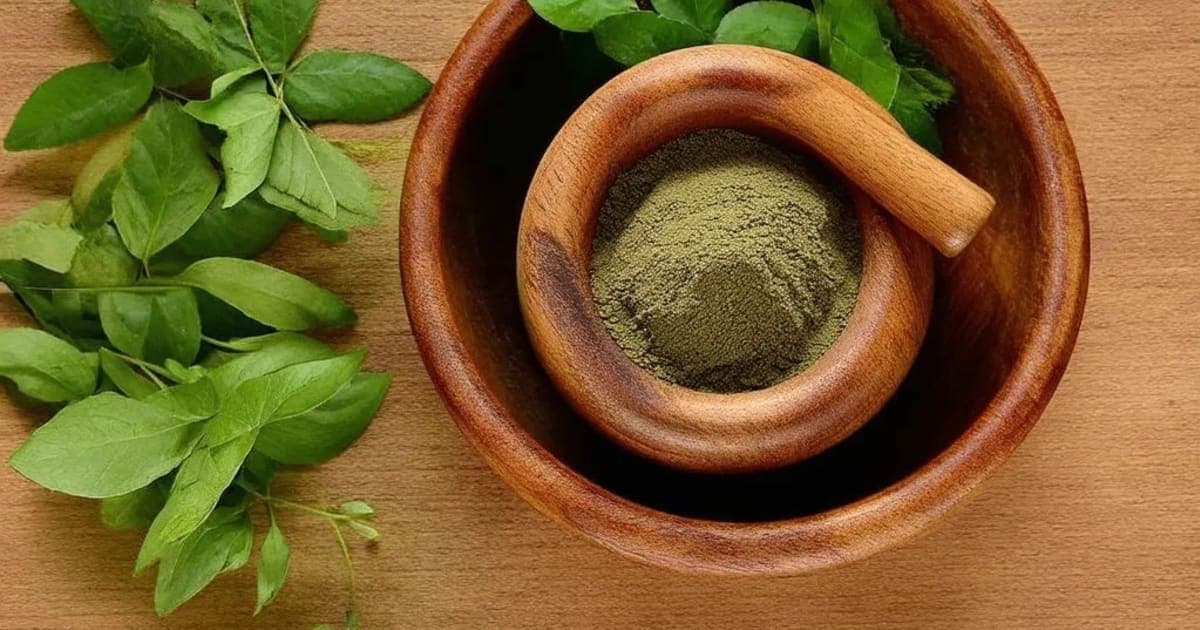
Swarna Parpati: Benefits, Uses & Ayurvedic Properties for Digestion
Expert Reviewed
Reviewed by AyurvedicUpchar Editorial Team
What is Swarna Parpati and how does it work?
Swarna Parpati is a unique Ayurvedic bhasma (ash) formulation made from purified gold, traditionally used to heal chronic digestive disorders and rejuvenate the entire system. Unlike raw herbs, this is a calcined metal preparation processed into thin, flake-like sheets that look like delicate gold foil. In clinical practice, it is rarely taken alone; instead, practitioners mix a specific dose with honey or ghee to guide its potency directly to the tissues. Classical texts like the Charaka Samhita highlight its ability to kindle Agni (digestive fire) without generating excess heat, making it a cornerstone treatment for stubborn constipation and malabsorption.
Many patients ask if this is merely "gold dust." The answer lies in its preparation. The metal undergoes extensive purification and incineration until it loses its metallic properties and gains a bio-available form that the body accepts as nourishment rather than a foreign toxin. This transformation allows it to act as a potent Rasayana (rejuvenator) while simultaneously clearing blockages in the digestive tract.
What are the specific Ayurvedic properties of Swarna Parpati?
Every Ayurvedic medicine is defined by five core properties that predict exactly how it will interact with your physiology. For Swarna Parpati, the combination of Sweet and Bitter tastes with a cooling energy creates a rare therapeutic balance. It nourishes the blood and tissues while simultaneously detoxifying them, a dual action that few other substances can achieve. Understanding these properties helps you determine if this remedy fits your current health needs.
| Property (Sanskrit) | Value | What it means for your body |
|---|---|---|
| Rasa (Taste) | Madhura, Tikta | Sweet builds tissue and calms the mind; Bitter cleanses the blood and reduces inflammation. |
| Guna (Quality) | Snigdha | Oily and unctuous, allowing the formulation to penetrate deep into tissues and lubricate dry channels. |
| Virya (Potency) | Sheeta | Cooling, which prevents the formulation from aggravating Pitta even while treating conditions involving heat. |
| Vipaka (Post-digestive effect) | Madhura | Sweet, indicating a long-term anabolic effect that strengthens the body after digestion is complete. |
"Swarna Parpati is one of the few Ayurvedic preparations that combines the anabolic strength of gold with the detoxifying power of bitter herbs, creating a balanced approach to treating both deficiency and excess."
Does Swarna Parpati balance all three doshas?
Yes, Swarna Parpati is a true Tridosha balancer, meaning it pacifies Vata, Pitta, and Kapha simultaneously without aggravating any of them. This makes it exceptionally safe for individuals with mixed constitutions (Sama Dosha) or those whose body type changes with the seasons. While most herbs favor one dosha and risk disturbing another, this formulation harmonizes the system, which is why it appears in so many classical rejuvenative recipes.
For Vata types, its unctuous (oily) nature and sweet taste calm anxiety and dryness. For Pitta types, its cooling potency soothes burning sensations and inflammation. For Kapha types, the bitter taste and lightness of the ash help break down stagnation and mucus. This versatility is why an experienced practitioner might prescribe it for a child with weak digestion or an elder with chronic fatigue.
How do people traditionally use Swarna Parpati?
The most common way to consume Swarna Parpati is by crushing a small flake into a fine powder and mixing it with warm ghee or honey. This method, often called Anupana, acts as a vehicle to carry the gold ash into the digestive tract. In rural Ayurvedic traditions, grandmothers often give a tiny amount mixed with milk to children suffering from recurrent fevers or poor appetite, believing it strengthens the immune system from within.
It is rarely taken with water alone, as the fat in ghee or the stickiness of honey helps the metallic particles adhere to the intestinal lining, allowing for better absorption. The texture is fine and powdery, dissolving almost instantly in the mouth when mixed with a liquid, leaving a subtle metallic aftertaste that is distinct from other herbs.
What are the specific precautions for taking Swarna Parpati?
While Swarna Parpati is safe for most people, the primary risk comes from incorrect dosage or using impure preparations. Because it contains processed gold, it must only be taken under the guidance of a qualified Ayurvedic physician who can determine the exact amount based on your age and digestive strength. Taking too much can lead to constipation or heaviness in the stomach, while taking it with incompatible foods (like incompatible fruits or fermented items) may reduce its efficacy.
Pregnant women should avoid self-medicating with this formulation. Although gold is generally considered safe, the intense metabolic changes during pregnancy require strict supervision to ensure the herb does not stimulate the uterus or alter the fetus's development. Always ensure the product is sourced from a reputable manufacturer that follows classical purification methods to remove any heavy metal contaminants.
Common questions about Swarna Parpati
Is Swarna Parpati safe for daily use?
It is generally safe for daily use in small, prescribed doses for a limited period, typically ranging from a few weeks to a few months. Long-term use should only be continued under the supervision of an Ayurvedic doctor to monitor how your body responds to the gold ash.
Can Swarna Parpati cure chronic constipation?
Yes, it is highly effective for chronic constipation caused by weak digestive fire or dryness, as its unctuous nature lubricates the bowel while its sweet taste nourishes the intestinal tissues to restore normal motility.
What is the difference between Swarna Parpati and regular gold bhasma?
Swarna Parpati is a specific flake-form preparation often combined with other herbs for digestive issues, whereas generic gold bhasma is a powder used more broadly for immunity and nervous system disorders; the form influences how quickly the body absorbs the gold.
Does Swarna Parpati have any side effects?
When taken correctly, side effects are rare, but improper dosage can cause stomach heaviness, nausea, or constipation. Impure preparations may cause toxicity, which is why sourcing from a certified practitioner is critical.
Disclaimer: This article is for informational purposes only and does not constitute medical advice. Ayurvedic treatments should be personalized by a qualified practitioner. Do not discontinue prescribed medications without consulting your healthcare provider.
Frequently Asked Questions
What is Swarna Parpati used for in Ayurveda?
Swarna Parpati is primarily used as a Rejuvenative (Rasayana) and Absorbent in Ayurvedic medicine. A formulation containing Gold, used as a powerful rejuvenative and for treating chronic digestive issues. It pacifies tridosha dosha.
How should I take Swarna Parpati?
Swarna Parpati can be taken as powder (1/2-1 tsp with warm water or milk), decoction (boil 1 tsp in water), or tablets (1-2 daily). Always start with a low dose and consult an Ayurvedic practitioner for personalized guidance.
Is Swarna Parpati safe during pregnancy?
Pregnant and nursing women should not take Swarna Parpati without consulting their doctor first. Most Ayurvedic herbs require medical supervision during pregnancy.
Which dosha does Swarna Parpati balance?
Swarna Parpati pacifies tridosha and is one of the rare Tridosha herbs that balances all three doshas.
Can I take Swarna Parpati daily?
Swarna Parpati can be taken daily in recommended doses for 4-8 weeks. After that, take a 2-week break before resuming. Long-term use should be supervised by a qualified Ayurvedic practitioner.
What are the side effects of Swarna Parpati?
When taken in recommended doses, Swarna Parpati is generally safe. Overconsumption may cause digestive discomfort. Stop use if you experience any adverse reaction.
Related Articles
The Timeless Benefits of Triphala: An Ayurvedic Powerhouse
Discover the transformative benefits of Triphala, an ancient Ayurvedic blend of three fruits that supports digestion, immunity, weight management, and overall vitality.
5 min read
The Divine Benefits of Tulsi (Holy Basil) in Ayurveda
Discover the sacred benefits of Tulsi (Holy Basil) in Ayurveda. From boosting immunity and reducing stress to supporting heart health and digestion, learn how this divine herb can transform your well-being.
4 min read
The Remarkable Benefits of Giloy: An Ayurvedic Powerhouse
Discover the profound health benefits of Giloy, the Ayurvedic 'root of immortality.' Learn how this powerful herb boosts immunity, manages diabetes, improves digestion, and supports skin, hair, and bone health.
5 min read
The Remarkable Benefits of Ashwagandha: An Ayurvedic Perspective
Discover the ancient wisdom of Ashwagandha, a powerful Ayurvedic adaptogen known for reducing stress, boosting immunity, improving sleep, and enhancing physical strength.
4 min read
Brihatyadi Kashayam: Natural Relief for Urinary Tract Disorders and Cystitis
Brihatyadi Kashayam is a cooling Ayurvedic decoction that targets urinary burning and cystitis by balancing Vata and Pitta. Unlike standard teas, this concentrated liquid extract is specifically designed to reduce inflammation in the bladder lining while flushing out toxins.
5 min read
Asphota: Ayurvedic Brain Tonic, Calming Herb & Blood Purifier
Often overlooked, Asphota is a cooling, bitter herb that acts as a gentle brain tonic and blood purifier. While it shares traits with the popular Aparajita, its unique astringent quality makes it particularly effective for stopping bleeding and soothing inflamed tissues.
6 min read
References & Sources
This article is based on principles from classical Ayurvedic texts including Charaka Samhita, Sushruta Samhita, and Ashtanga Hridaya. Content has been reviewed for accuracy by our editorial team. For specific medical conditions, always consult a qualified Ayurvedic practitioner or healthcare provider.
- • Charaka Samhita (चरक संहिता)
- • Sushruta Samhita (सुश्रुत संहिता)
- • Ashtanga Hridaya (अष्टांग हृदय)
Found an error in this article? Let us know