
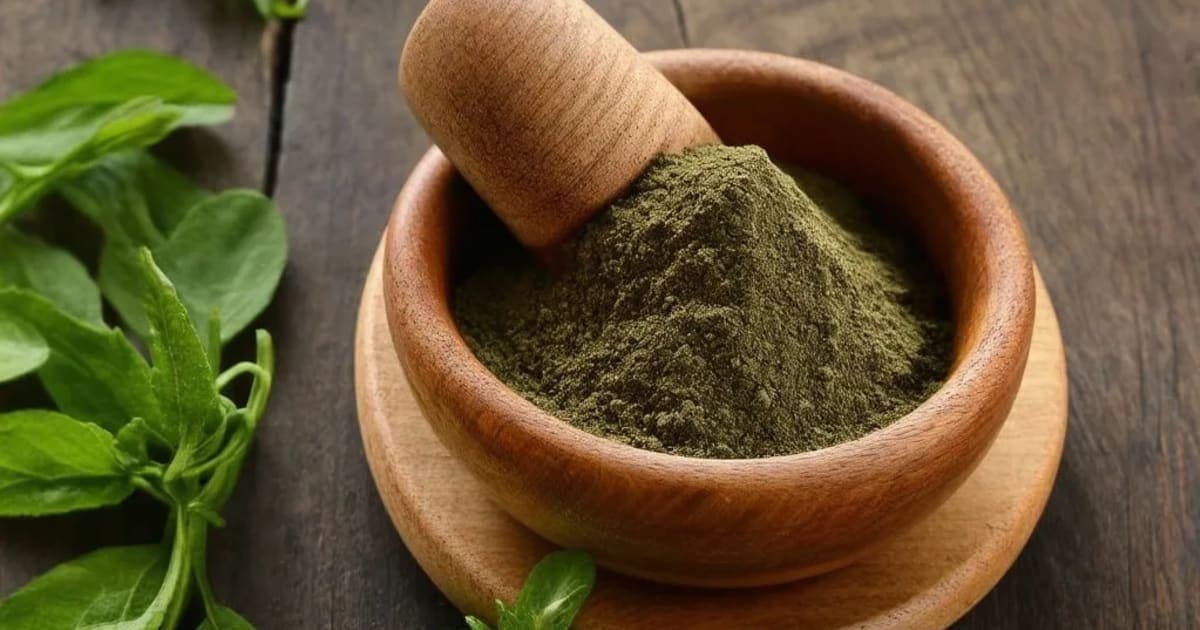
Svetamarica: Clearing Deep Kapha and Igniting Digestive Fire
Expert Reviewed
Reviewed by AyurvedicUpchar Editorial Team
What is Svetamarica and how does it differ from black pepper?
Svetamarica is the white seed of the Piper nigrum plant, valued in Ayurveda for its sharper, more penetrating heat compared to black pepper. While both come from the same vine, the removal of the outer black skin in white pepper leaves a substance that is lighter, drier, and significantly more effective at breaking up deep-seated Kapha congestion in the lungs and digestive tract.
In the kitchen, you might notice the difference immediately: black pepper offers a complex, earthy aroma, whereas Svetamarica smells cleaner and delivers a swift, intense sting that travels straight to the sinuses. This specific quality makes it the herb of choice when standard warming spices fail to clear stubborn mucus or chronic respiratory sluggishness.
Svetamarica is a heating (Ushna Virya) herb with a Pungent taste, primarily used in Ayurveda to dissolve deep Kapha congestion and ignite the digestive fire (Agni) without leaving an oily residue.
The Charaka Samhita, a foundational text of Ayurvedic medicine, classifies this herb as a potent remedy for clearing the channels (Srotas) of the body. It is often preferred over black pepper in formulations for respiratory conditions because its lighter quality allows it to reach the upper respiratory tract more effectively.
How do the Ayurvedic properties of Svetamarica affect the body?
The therapeutic power of Svetamarica comes from its unique combination of taste, potency, and post-digestive effect, which work together to clear blockages and stimulate metabolism. Its sharp, penetrating nature helps break down sticky mucus, while its heating quality warms the stomach and improves circulation to cold extremities.
| Property (Sanskrit) | Value | What it means for your body |
|---|---|---|
| Rasa (Taste) | Katu (Pungent) | Stimulates Agni, clears respiratory channels, and reduces excess Kapha. |
| Guna (Quality) | Laghu, Tikshna | Light and Sharp—allows for rapid absorption and deep tissue penetration. |
| Virya (Potency) | Ushna (Hot) | Generates internal heat to melt congestion and improve blood flow. |
| Vipaka (Post-digestive) | Katu (Pungent) | Continues to stimulate metabolism and clear toxins even after digestion. |
| Dosha Effect | Pacifies Kapha, Vata | Aggravates Pitta if used in excess or by those with high heat. |
Practitioners often note that the Tikshna (sharp) quality of Svetamarica is what makes it so effective for clearing the Prana Vata in the head and chest. When you chew a single seed or inhale its powder, you feel that sharpness instantly opening up the nasal passages, a direct result of this specific property.
Who benefits most from using Svetamarica?
Svetamarica is most beneficial for individuals with elevated Kapha or Vata doshas, particularly those suffering from respiratory congestion, cold limbs, or sluggish digestion. It acts as a natural decongestant and metabolism booster, making it ideal for the cold, damp months when the body tends to accumulate mucus and stagnation.
However, those with a dominant Pitta constitution or active conditions like acid reflux, ulcers, or inflammatory skin rashes should use caution. Because its heating potency is intense, it can quickly aggravate Pitta if taken in large doses or without a cooling carrier like ghee or honey.
Signs you need Svetamarica
You might need Svetamarica if you feel a constant heaviness in your chest, experience chronic sinus congestion that won't clear, or have a feeling of coldness in your hands and feet even in mild weather. Other signs include a loss of appetite, a feeling of heaviness after eating, or a tendency to produce thick, white phlegm. These are classic indicators that your digestive fire is weak and your Kapha is high.
A simple home tip: If you wake up with a stuffy nose or a heavy feeling in your head, a pinch of Svetamarica powder mixed with a teaspoon of honey can clear the sinuses faster than many over-the-counter remedies.
How do people traditionally use Svetamarica in daily life?
Traditional use of Svetamarica focuses on small, precise doses mixed with carriers that enhance absorption and mitigate potential irritation. It is rarely eaten alone; instead, it is blended into warm milk, ghee, or honey to target specific tissues.
For respiratory issues, a common practice is to mix a pinch of Svetamarica powder with warm milk and a teaspoon of honey, taken before bed to clear nighttime congestion. For digestive sluggishness, it is often combined with black cumin (Nigella) and ghee to kindle the stomach fire without causing acidity. In classical formulations like Trikatu, it is combined with ginger and long pepper to create a powerful digestive stimulant that clears toxins from the gut.
Topically, a paste made from Svetamarica and warm water can be applied to stiff joints to reduce pain and improve mobility, leveraging its heating and penetrating qualities to reach deep into the tissues.
What are the precautions and side effects of Svetamarica?
While effective, Svetamarica is potent and can cause irritation if used incorrectly. The primary risk is aggravating Pitta dosha, which can manifest as heartburn, acid reflux, burning sensations in the stomach, or skin rashes. People with active ulcers, hemorrhoids, or high blood pressure should avoid it or use it only under strict supervision.
It is also important to avoid high doses during pregnancy, as the intense heating nature may disturb the fetus. Always start with a tiny amount—a grain of sand size—and observe how your body reacts before increasing the dose. If you experience burning in the throat or stomach, discontinue use immediately and switch to a cooling remedy like coriander or fennel.
Frequently Asked Questions
Is Svetamarica better than black pepper for colds?
Yes, Svetamarica is often considered superior for deep respiratory congestion because its lighter, sharper quality penetrates the lungs and sinuses more effectively than the heavier, oilier black pepper. It clears mucus faster without leaving a heavy residue.
Can I take Svetamarica every day for digestion?
Small amounts can be taken daily for digestion if you have a Kapha or Vata constitution, but those with Pitta imbalances should limit use to occasional needs. Long-term daily use without balancing cooling herbs can lead to acidity and inflammation.
How do I prepare Svetamarica for a sore throat?
Mix a tiny pinch (less than 1/8 teaspoon) of Svetamarica powder with warm honey and sip slowly. The honey coats the throat while the pepper clears the congestion, providing immediate relief for tickly coughs.
Does Svetamarica help with weight loss?
Yes, by igniting Agni (digestive fire) and clearing Kapha accumulation, Svetamarica supports metabolism and helps reduce water retention and mucus-related weight gain, though it works best as part of a broader dietary plan.
Who should avoid Svetamarica completely?
Individuals with active peptic ulcers, severe acid reflux, hemorrhoids, or high Pitta conditions like inflammatory skin diseases should avoid Svetamarica. It is also generally contraindicated during pregnancy without medical guidance.
Disclaimer: This content is for educational purposes only and does not constitute medical advice. Always consult a qualified Ayurvedic practitioner or healthcare provider before starting any new herbal regimen, especially if you have pre-existing health conditions or are taking medication.
Source: Data adapted from classical Ayurvedic texts including Charaka Samhita and Bhavaprakash Nighantu. Licensed under CC BY 4.0.
Frequently Asked Questions
What is Svetamarica used for in Ayurveda?
Svetamarica is primarily used as a Appetite Stimulant and Fat Scraper in Ayurvedic medicine. White Pepper is more heating and potent than black pepper, used to clear deep-seated Kapha from the system. It pacifies Kapha, Vata dosha.
How should I take Svetamarica?
Svetamarica can be taken as powder (1/2-1 tsp with warm water or milk), decoction (boil 1 tsp in water), or tablets (1-2 daily). Always start with a low dose and consult an Ayurvedic practitioner for personalized guidance.
Is Svetamarica safe during pregnancy?
Pregnant and nursing women should not take Svetamarica without consulting their doctor first. Most Ayurvedic herbs require medical supervision during pregnancy.
Which dosha does Svetamarica balance?
Svetamarica pacifies Kapha, Vata. Excessive use may increase Pitta dosha.
Can I take Svetamarica daily?
Svetamarica can be taken daily in recommended doses for 4-8 weeks. After that, take a 2-week break before resuming. Long-term use should be supervised by a qualified Ayurvedic practitioner.
What are the side effects of Svetamarica?
When taken in recommended doses, Svetamarica is generally safe. Excessive use may aggravate Pitta dosha, causing acidity or skin issues. Stop use if you experience any adverse reaction.
Related Articles
The Timeless Benefits of Triphala: An Ayurvedic Powerhouse
Discover the transformative benefits of Triphala, an ancient Ayurvedic blend of three fruits that supports digestion, immunity, weight management, and overall vitality.
5 min read
The Divine Benefits of Tulsi (Holy Basil) in Ayurveda
Discover the sacred benefits of Tulsi (Holy Basil) in Ayurveda. From boosting immunity and reducing stress to supporting heart health and digestion, learn how this divine herb can transform your well-being.
4 min read
The Remarkable Benefits of Giloy: An Ayurvedic Powerhouse
Discover the profound health benefits of Giloy, the Ayurvedic 'root of immortality.' Learn how this powerful herb boosts immunity, manages diabetes, improves digestion, and supports skin, hair, and bone health.
5 min read
The Remarkable Benefits of Ashwagandha: An Ayurvedic Perspective
Discover the ancient wisdom of Ashwagandha, a powerful Ayurvedic adaptogen known for reducing stress, boosting immunity, improving sleep, and enhancing physical strength.
4 min read
Brihatyadi Kashayam: Natural Relief for Urinary Tract Disorders and Cystitis
Brihatyadi Kashayam is a cooling Ayurvedic decoction that targets urinary burning and cystitis by balancing Vata and Pitta. Unlike standard teas, this concentrated liquid extract is specifically designed to reduce inflammation in the bladder lining while flushing out toxins.
5 min read
Asphota: Ayurvedic Brain Tonic, Calming Herb & Blood Purifier
Often overlooked, Asphota is a cooling, bitter herb that acts as a gentle brain tonic and blood purifier. While it shares traits with the popular Aparajita, its unique astringent quality makes it particularly effective for stopping bleeding and soothing inflamed tissues.
6 min read
References & Sources
This article is based on principles from classical Ayurvedic texts including Charaka Samhita, Sushruta Samhita, and Ashtanga Hridaya. Content has been reviewed for accuracy by our editorial team. For specific medical conditions, always consult a qualified Ayurvedic practitioner or healthcare provider.
- • Charaka Samhita (चरक संहिता)
- • Sushruta Samhita (सुश्रुत संहिता)
- • Ashtanga Hridaya (अष्टांग हृदय)
Found an error in this article? Let us know