
Svalpa Khadiradi Vati: Soothing Mouth Ulcers and Sore Throats Naturally
Expert Reviewed
Reviewed by AyurvedicUpchar Editorial Team
What is Svalpa Khadiradi Vati and how is it used?
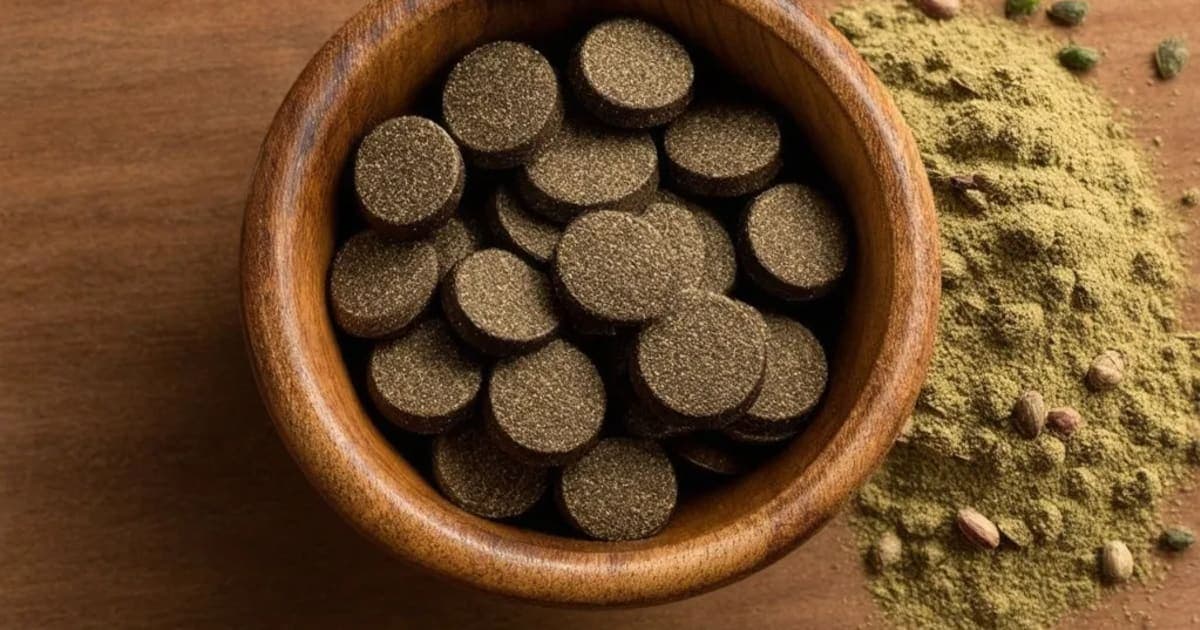
Svalpa Khadiradi Vati is a small, lozenge-style formulation in Ayurveda specifically designed to heal mouth ulcers, soothe sore throats, and freshen breath. Unlike raw herbs that taste harsh, these tablets are meant to be slowly dissolved in the mouth, allowing the medicinal juices to coat the inflamed tissues directly. The name itself hints at its nature: "Svalpa" means small or minor, distinguishing it from the larger, more complex Khadiradi Vati tablets found in traditional pharmacies.
When you hold one of these tablets on your tongue, you immediately notice a distinct astringent and bitter taste. This is not an accident; the flavor profile is the engine of its healing power. The astringent quality (Kashaya) helps dry up excess mucus and tightens loose, bleeding gums, while the bitter taste (Tikta) cools the burning sensation of a sore throat. In the classical text Charaka Samhita, formulations with this specific taste combination are recommended for conditions where heat and toxicity have accumulated in the upper respiratory tract.
Grandmothers in India often keep a small box of these lozenges for children who develop white spots on their tongues or for adults who wake up with a scratchy throat. The standard method is simple: let one tablet dissolve completely without chewing, ideally after meals, to ensure the herbs linger where they are needed most.
How does Svalpa Khadiradi Vati affect the body's doshas?
Svalpa Khadiradi Vati primarily balances Kapha and Pitta doshas by cooling inflammation and drying excess mucus, making it ideal for hot, humid conditions or acidic digestive states. However, because of its drying and cooling nature, individuals with a dominant Vata constitution must use it sparingly to avoid aggravating dryness or anxiety.
The specific way this herb interacts with your body depends on its five fundamental Ayurvedic properties, known as the Dravyaguna. Understanding these helps you decide if it is right for your current health state. The following table outlines exactly how these properties work together to treat oral and throat issues.
| Property (Sanskrit) | Value | What it means for your body |
|---|---|---|
| Rasa (Taste) | Kashaya, Tikta | The astringent taste tightens tissues and stops minor bleeding, while the bitter taste cleanses blood and reduces internal heat. |
| Guna (Quality) | Ruksha | Dryness helps absorb excess moisture and pus from infected gums or throat tissues. |
| Virya (Potency) | Sheeta | Cooling potency directly counters the burning pain of ulcers and the feverish heat of a sore throat. |
| Vipaka (Post-digestive) | Katu | Pungent post-digestive effect ensures the herbs penetrate deep into the tissues even after the initial cooling sensation fades. |
A key takeaway for anyone using this herb is that its cooling effect is immediate but temporary. Svalpa Khadiradi Vati acts as a direct coolant for inflamed mucous membranes, providing relief within minutes of dissolution. This makes it different from systemic herbs that take hours to work through digestion. However, if you already suffer from dry mouth, constipation, or feel cold easily, you should pair it with a bit of ghee or honey to counteract its drying Ruksha quality.
Who should avoid or limit Svalpa Khadiradi Vati?
People with a strong Vata imbalance, characterized by dry skin, cracked lips, or frequent anxiety, should avoid long-term use of Svalpa Khadiradi Vati unless guided by a practitioner. The herb's drying nature can worsen these symptoms if taken without a balancing lubricant.
While generally safe for short-term relief, it is not a daily supplement for everyone. If you notice your throat feeling tighter or your mouth becoming uncomfortably dry after use, stop immediately. Excessive use of astringent and bitter herbs can deplete the body's natural moisture, turning a healing remedy into a source of irritation for Vata types. Always listen to your body's feedback; Ayurveda relies on observing how the taste and texture of a herb change your physical state over time.
Frequently Asked Questions
How long does it take for Svalpa Khadiradi Vati to heal a mouth ulcer?
Most users feel relief from pain within 15 to 30 minutes as the tablet dissolves. Visible healing of the ulcer typically occurs within 3 to 5 days of using the lozenge 2-3 times daily after meals.
Can children take Svalpa Khadiradi Vati for sore throats?
Yes, but the tablet must be fully dissolved under supervision to prevent choking. It is effective for children with mild throat irritation, but the dosage should be half that of an adult.
Is Svalpa Khadiradi Vati safe for pregnant women?
Pregnant women should consult an Ayurvedic doctor before use. While the cooling properties can help with pregnancy-related acidity, the astringent nature may affect digestion if taken in large amounts.
What is the difference between Svalpa and regular Khadiradi Vati?
The main difference is size and potency. "Svalpa" means small, making these tablets easier to dissolve for minor issues, whereas regular Khadiradi Vati is larger and often used for more severe gum or throat infections.
Frequently Asked Questions
What is Svalpa Khadiradi Vati used for in Ayurveda?
Svalpa Khadiradi Vati is primarily used as a Absorbent and Skin Healer in Ayurvedic medicine. A smaller, simpler version of Khadiradi Vati for mouth ulcers and sore throat. It pacifies Kapha, Pitta dosha.
How should I take Svalpa Khadiradi Vati?
Svalpa Khadiradi Vati can be taken as powder (1/2-1 tsp with warm water or milk), decoction (boil 1 tsp in water), or tablets (1-2 daily). Always start with a low dose and consult an Ayurvedic practitioner for personalized guidance.
Is Svalpa Khadiradi Vati safe during pregnancy?
Pregnant and nursing women should not take Svalpa Khadiradi Vati without consulting their doctor first. Most Ayurvedic herbs require medical supervision during pregnancy.
Which dosha does Svalpa Khadiradi Vati balance?
Svalpa Khadiradi Vati pacifies Kapha, Pitta. Excessive use may increase Vata dosha.
Can I take Svalpa Khadiradi Vati daily?
Svalpa Khadiradi Vati can be taken daily in recommended doses for 4-8 weeks. After that, take a 2-week break before resuming. Long-term use should be supervised by a qualified Ayurvedic practitioner.
What are the side effects of Svalpa Khadiradi Vati?
When taken in recommended doses, Svalpa Khadiradi Vati is generally safe. Excessive use may aggravate Vata dosha, causing gas or bloating. Stop use if you experience any adverse reaction.
Related Articles
The Timeless Benefits of Triphala: An Ayurvedic Powerhouse
Discover the transformative benefits of Triphala, an ancient Ayurvedic blend of three fruits that supports digestion, immunity, weight management, and overall vitality.
5 min read
The Divine Benefits of Tulsi (Holy Basil) in Ayurveda
Discover the sacred benefits of Tulsi (Holy Basil) in Ayurveda. From boosting immunity and reducing stress to supporting heart health and digestion, learn how this divine herb can transform your well-being.
4 min read
The Remarkable Benefits of Giloy: An Ayurvedic Powerhouse
Discover the profound health benefits of Giloy, the Ayurvedic 'root of immortality.' Learn how this powerful herb boosts immunity, manages diabetes, improves digestion, and supports skin, hair, and bone health.
5 min read
The Remarkable Benefits of Ashwagandha: An Ayurvedic Perspective
Discover the ancient wisdom of Ashwagandha, a powerful Ayurvedic adaptogen known for reducing stress, boosting immunity, improving sleep, and enhancing physical strength.
4 min read
Brihatyadi Kashayam: Natural Relief for Urinary Tract Disorders and Cystitis
Brihatyadi Kashayam is a cooling Ayurvedic decoction that targets urinary burning and cystitis by balancing Vata and Pitta. Unlike standard teas, this concentrated liquid extract is specifically designed to reduce inflammation in the bladder lining while flushing out toxins.
5 min read
Asphota: Ayurvedic Brain Tonic, Calming Herb & Blood Purifier
Often overlooked, Asphota is a cooling, bitter herb that acts as a gentle brain tonic and blood purifier. While it shares traits with the popular Aparajita, its unique astringent quality makes it particularly effective for stopping bleeding and soothing inflamed tissues.
6 min read
References & Sources
This article is based on principles from classical Ayurvedic texts including Charaka Samhita, Sushruta Samhita, and Ashtanga Hridaya. Content has been reviewed for accuracy by our editorial team. For specific medical conditions, always consult a qualified Ayurvedic practitioner or healthcare provider.
- • Charaka Samhita (चरक संहिता)
- • Sushruta Samhita (सुश्रुत संहिता)
- • Ashtanga Hridaya (अष्टांग हृदय)
Found an error in this article? Let us know