
Surana: Benefits for Piles, Digestion & Vata Balance
Expert Reviewed
Reviewed by AyurvedicUpchar Editorial Team
What is Surana and why is it called Elephant Foot Yam?
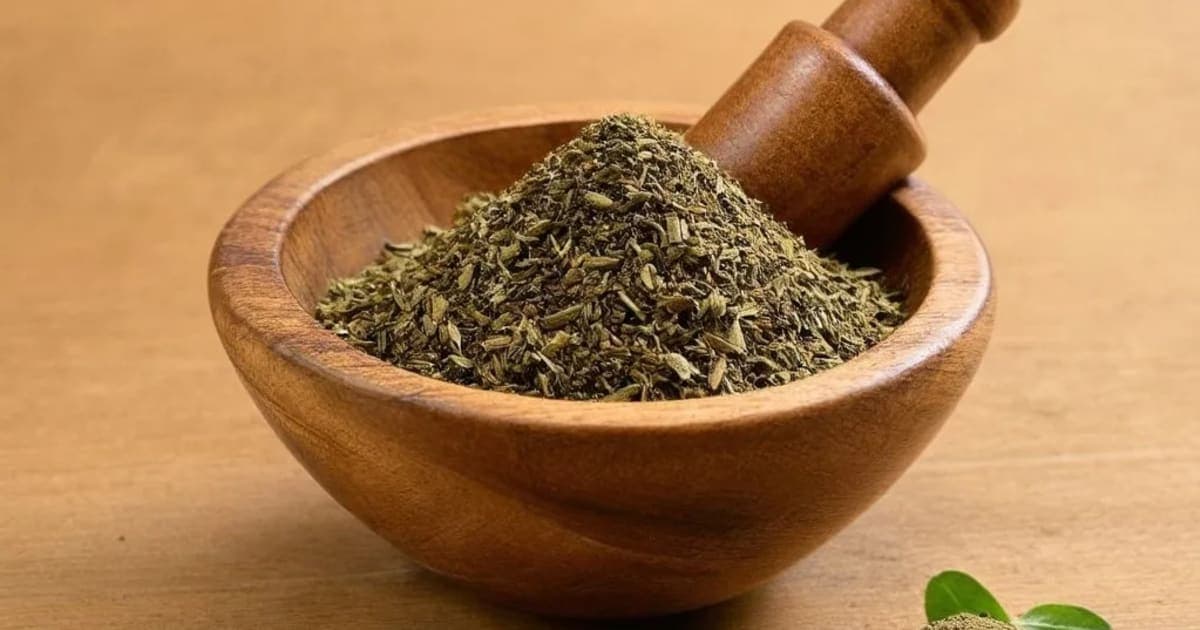
Surana, commonly known as Elephant foot yam, is a starchy tuber used in Ayurveda primarily to treat hemorrhoids (Arsha), chronic indigestion, and abdominal swelling. Unlike many leafy herbs you might chew fresh, Surana is almost always cooked into a savory stew or dried and powdered because its raw form contains calcium oxalate crystals that can irritate the throat. When properly prepared, this knobby, brown-skinned root offers a distinct earthy aroma and a texture similar to a dense potato, making it a staple in therapeutic diets rather than a quick tea.
Classical texts like the Charaka Samhita classify Surana as a heavy yet digestible food that anchors the wandering energy of Vata dosha while scraping away the sluggishness of Kapha. It is one of the few substances described as Yogavahi in certain contexts, meaning it can carry the properties of other herbs deeper into the tissues, particularly the lower digestive tract.
What are the Ayurvedic properties of Surana?
The Ayurvedic profile of Surana defines it as a heating herb with pungent and bitter tastes that stimulate digestion while reducing excess mucus and gas. These inherent qualities explain why it works so well for slow metabolisms but requires caution for those prone to overheating. The specific combination of heaviness and heat allows it to nourish the body without clogging the channels, a balance few roots achieve.
| Property (Sanskrit) | Value | What it means for your body |
|---|---|---|
| Rasa (Taste) | Katu (Pungent), Tikta (Bitter) | Stimulates metabolic fire (Agni) and clears blockages in the gut; bitter note aids detoxification. |
| Guna (Quality) | Guru (Heavy), Snigdha (Oily) | Provides lasting satiety and lubricates dry tissues, though it requires strong digestion to process. |
| Virya (Potency) | Ushna (Hot) | Generates internal heat to improve circulation and break down cold stagnation like mucus or tumors. |
| Vipaka (Post-digestive) | Katu (Pungent) | Leaves a warming, clearing effect long after digestion, helping to eliminate waste from the colon. |
Which doshas does Surana balance?
Surana primarily pacifies Vata and Kapha doshas, making it an ideal dietary addition for people who feel cold, bloated, or mentally scattered. Its heating potency warms the cold, dry nature of Vata, while its pungent taste cuts through the heavy, sticky accumulation of Kapha. This dual action makes it a go-to remedy for conditions involving both gas (Vata) and mucus or swelling (Kapha).
However, individuals with a dominant Pitta constitution should approach Surana with care. Because the herb is inherently hot and pungent, eating it in large quantities or during the summer months can aggravate Pitta, leading to heartburn, skin rashes, or irritability. If you have a sensitive stomach or a history of acid reflux, always prepare Surana with cooling spices like coriander or fennel to offset its sharpness.
How do you know if your Vata needs Surana?
You might benefit from Surana if you struggle with chronic constipation, joint stiffness, or a feeling of incomplete evacuation after bowel movements. These symptoms often signal that Vata dosha has become dry and erratic in the colon, a condition Surana addresses through its unctuous (oily) and heavy qualities. Grandmothers in Kerala and Maharashtra often cook this yam with tamarind and black pepper specifically for elders complaining of lower back pain or difficulty passing stool, trusting its ability to ground the body's air element.
Conversely, if you are already running a fever, have active bleeding piles, or feel burning sensations in your stomach, this herb is likely too heating for your current state. The key is observing whether your body craves warmth and structure or cooling and lightness; Surana provides the former.
Frequently Asked Questions
Is Surana good for treating hemorrhoids (piles)?
Yes, Surana is considered a specific remedy (Yogavahi) for hemorrhoids, particularly those caused by Vata imbalance like dryness and pain. Its heavy and unctuous nature soothes the irritated tissues while its pungent post-digestive effect helps reduce the swelling and size of the piles over time.
Can I eat raw Surana or Elephant foot yam?
No, you should never eat raw Surana as it contains calcium oxalate crystals that cause intense itching and swelling in the mouth and throat. It must always be cooked thoroughly, often with tamarind or yogurt, or dried and powdered to neutralize these irritants before consumption.
How is Surana typically consumed in Ayurvedic diet?
Surana is most commonly prepared as a curry with spices like ginger, black pepper, and asafoetida to aid its digestion, or dried and ground into a powder for medicinal formulations. In some traditions, the fresh tuber is sliced, sun-dried, and then roasted before being added to stews to ensure it is safe and easy to digest.
Frequently Asked Questions
What is Surana used for in Ayurveda?
Surana is primarily used as a Anti-hemorrhoidal and Agnideepana in Ayurvedic medicine. Elephant foot yam used for piles, swelling and digestion. It pacifies Vata, Kapha dosha.
How should I take Surana?
Surana can be taken as powder (1/2-1 tsp with warm water or milk), decoction (boil 1 tsp in water), or tablets (1-2 daily). Always start with a low dose and consult an Ayurvedic practitioner for personalized guidance.
Is Surana safe during pregnancy?
Pregnant and nursing women should not take Surana without consulting their doctor first. Most Ayurvedic herbs require medical supervision during pregnancy.
Which dosha does Surana balance?
Surana pacifies Vata, Kapha. Excessive use may increase Pitta dosha.
Can I take Surana daily?
Surana can be taken daily in recommended doses for 4-8 weeks. After that, take a 2-week break before resuming. Long-term use should be supervised by a qualified Ayurvedic practitioner.
What are the side effects of Surana?
When taken in recommended doses, Surana is generally safe. Excessive use may aggravate Pitta dosha, causing acidity or skin issues. Stop use if you experience any adverse reaction.
Related Articles
The Timeless Benefits of Triphala: An Ayurvedic Powerhouse
Discover the transformative benefits of Triphala, an ancient Ayurvedic blend of three fruits that supports digestion, immunity, weight management, and overall vitality.
5 min read
The Divine Benefits of Tulsi (Holy Basil) in Ayurveda
Discover the sacred benefits of Tulsi (Holy Basil) in Ayurveda. From boosting immunity and reducing stress to supporting heart health and digestion, learn how this divine herb can transform your well-being.
4 min read
The Remarkable Benefits of Giloy: An Ayurvedic Powerhouse
Discover the profound health benefits of Giloy, the Ayurvedic 'root of immortality.' Learn how this powerful herb boosts immunity, manages diabetes, improves digestion, and supports skin, hair, and bone health.
5 min read
The Remarkable Benefits of Ashwagandha: An Ayurvedic Perspective
Discover the ancient wisdom of Ashwagandha, a powerful Ayurvedic adaptogen known for reducing stress, boosting immunity, improving sleep, and enhancing physical strength.
4 min read
Brihatyadi Kashayam: Natural Relief for Urinary Tract Disorders and Cystitis
Brihatyadi Kashayam is a cooling Ayurvedic decoction that targets urinary burning and cystitis by balancing Vata and Pitta. Unlike standard teas, this concentrated liquid extract is specifically designed to reduce inflammation in the bladder lining while flushing out toxins.
5 min read
Asphota: Ayurvedic Brain Tonic, Calming Herb & Blood Purifier
Often overlooked, Asphota is a cooling, bitter herb that acts as a gentle brain tonic and blood purifier. While it shares traits with the popular Aparajita, its unique astringent quality makes it particularly effective for stopping bleeding and soothing inflamed tissues.
6 min read
References & Sources
This article is based on principles from classical Ayurvedic texts including Charaka Samhita, Sushruta Samhita, and Ashtanga Hridaya. Content has been reviewed for accuracy by our editorial team. For specific medical conditions, always consult a qualified Ayurvedic practitioner or healthcare provider.
- • Charaka Samhita (चरक संहिता)
- • Sushruta Samhita (सुश्रुत संहिता)
- • Ashtanga Hridaya (अष्टांग हृदय)
Found an error in this article? Let us know