
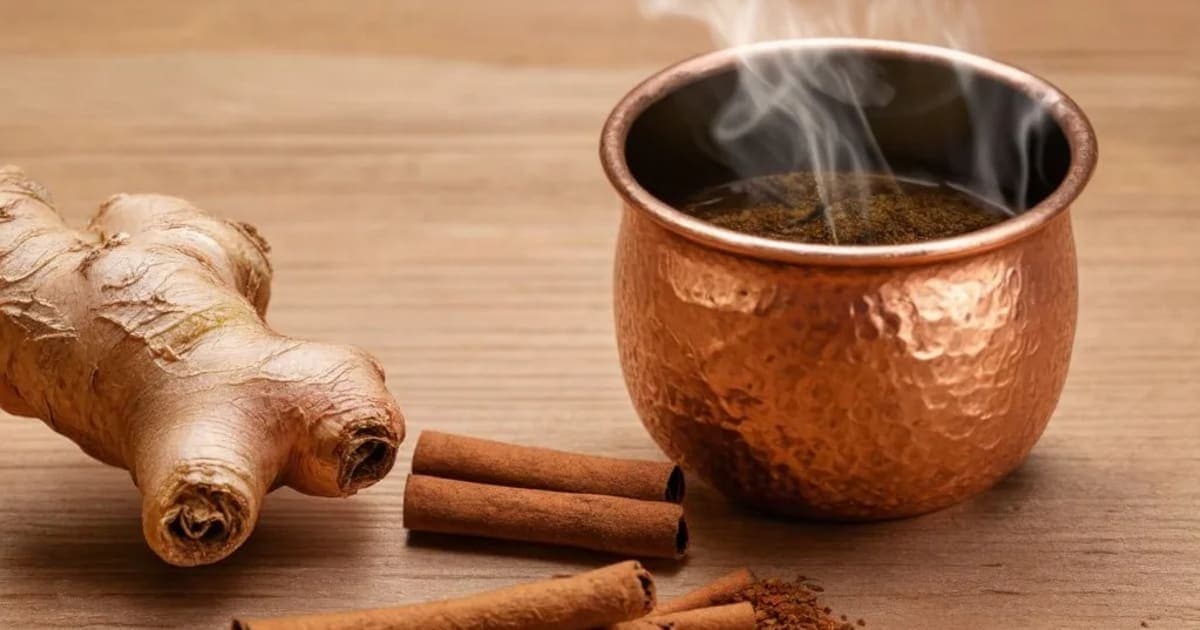
Sukumara Kashayam: Ayurvedic Relief for Gynecological Health & Digestion
Expert Reviewed
Reviewed by AyurvedicUpchar Editorial Team
What is Sukumara Kashayam and how does it work?
Sukumara Kashayam is a traditional Ayurvedic decoction specifically crafted to support gynecological health, resolve hernias, and soothe digestive irregularities. Unlike a simple tea, this preparation involves boiling a complex blend of herbs until the water reduces to a potent, dark liquid that carries the medicinal essence of its ingredients. In the classical text Charaka Samhita, Chikitsa Sthana, this formulation is described as a primary remedy for conditions where Vata and Pitta have become aggravated in the reproductive and abdominal channels.
The magic of this kashayam lies in its dual taste profile. It offers a distinct bitterness that cleanses the blood and cools excess heat, followed by a lingering sweetness that nourishes tissues and calms the mind. This combination is not accidental; it is designed to first detoxify the system and then rebuild it. As the ancient sages noted, "A medicine that tastes bitter to cleanse but ends sweet to nourish is the ideal healer for the female reproductive system."
How does Sukumara Kashayam balance the doshas?
Sukumara Kashayam primarily balances Vata and Pitta doshas, making it a top choice for women experiencing menstrual irregularities, pelvic pain, or inflammatory digestive issues. By pacifying these two energetic forces, it helps regulate the body's natural rhythms and reduces the dryness or heat that often causes discomfort in the lower abdomen.
However, caution is necessary for those with a dominant Kapha constitution. Because the formulation has a sweet post-digestive effect (Madhura Vipaka) and heating potency, taking it in excess or without need can lead to Kapha accumulation. This might manifest as sluggish digestion, mild congestion, or a feeling of heaviness. A grandmother's rule of thumb here is simple: if you feel heavy or sluggish after taking it, reduce the dose or add a pinch of ginger to the preparation to counteract the sweetness.
Ayurvedic Properties of Sukumara Kashayam
Understanding the specific properties of Sukumara Kashayam helps practitioners determine the right dosage and timing for your unique constitution. The following table outlines the pharmacological data used in classical Ayurvedic diagnosis.
| Property (Sanskrit) | Value | Therapeutic Action |
|---|---|---|
| Rasa (Taste) | Tikta, Madhura | Bitter taste detoxifies and reduces Pitta; Sweet taste nourishes tissues and calms Vata. |
| Guna (Quality) | Laghu | Light quality ensures the decoction is easily absorbed and penetrates deep tissues quickly. |
| Virya (Potency) | Ushna | Heating potency stimulates Agni (digestive fire) and improves circulation to the pelvic region. |
| Vipaka (Post-digestive) | Madhura | Sweet conversion after digestion supports tissue building and long-term stability. |
| Prabhava (Specific Effect) | Garbhashaya Shotha Nashana | Specific action to reduce inflammation and swelling in the uterus and reproductive organs. |
How do people traditionally use Sukumara Kashayam?
Traditionally, Sukumara Kashayam is consumed warm, usually half an hour after meals or as directed by a Vaidya, often mixed with a teaspoon of honey or ghee to enhance absorption. The preparation method matters; the herbs are boiled in water until the volume reduces to one-eighth, concentrating the active compounds into a dark, aromatic liquid that smells of earthy roots and dried flowers.
For gynecological support, it is often taken during the luteal phase of the menstrual cycle to prepare the body for menstruation or to ease cramping. In cases of hernia, it is used alongside dietary changes to strengthen the abdominal muscles and reduce internal pressure. A practical tip for those with sensitive stomachs is to start with a smaller dose (30ml) diluted in warm water, gradually increasing as the body adjusts to the bitter notes.
Frequently Asked Questions about Sukumara Kashayam
Can Sukumara Kashayam be taken during pregnancy?
No, Sukumara Kashayam is generally contraindicated during pregnancy unless explicitly prescribed by an experienced Ayurvedic practitioner. Its heating potency and uterine-stimulating properties could pose risks to the developing fetus.
What are the common side effects of Sukumara Kashayam?
When taken in correct doses, side effects are rare, but excessive use may cause mild heartburn, increased Kapha symptoms like congestion, or loose stools due to its heating and bitter nature. Discontinue use if you experience these symptoms.
How is Sukumara Kashayam different from Sukumara Ghritam?
While both formulations share similar herbal ingredients and balance Vata and Pitta, Sukumara Kashayam is a water-based decoction used for acute cleansing and cooling, whereas Sukumara Ghritam is a ghee-based preparation used for deep tissue nourishment and long-term conditioning.
Is Sukumara Kashayam safe for men with hernias?
Yes, men with hernias or abdominal weaknesses can benefit from Sukumara Kashayam as it helps strengthen the abdominal wall and reduces internal inflammation, provided their Kapha is not already elevated.
Frequently Asked Questions
What is Sukumara Kashayam used for in Ayurveda?
Sukumara Kashayam is primarily used as a Vatahara and Yonirogahara in Ayurvedic medicine. A decoction form of Sukumaram Ghritam, used for gynecological issues, hernia, and digestive health. It pacifies Vata, Pitta dosha.
How should I take Sukumara Kashayam?
Sukumara Kashayam can be taken as powder (1/2-1 tsp with warm water or milk), decoction (boil 1 tsp in water), or tablets (1-2 daily). Always start with a low dose and consult an Ayurvedic practitioner for personalized guidance.
Is Sukumara Kashayam safe during pregnancy?
Pregnant and nursing women should not take Sukumara Kashayam without consulting their doctor first. Most Ayurvedic herbs require medical supervision during pregnancy.
Which dosha does Sukumara Kashayam balance?
Sukumara Kashayam pacifies Vata, Pitta. Excessive use may increase Kapha dosha.
Can I take Sukumara Kashayam daily?
Sukumara Kashayam can be taken daily in recommended doses for 4-8 weeks. After that, take a 2-week break before resuming. Long-term use should be supervised by a qualified Ayurvedic practitioner.
What are the side effects of Sukumara Kashayam?
When taken in recommended doses, Sukumara Kashayam is generally safe. Excessive use may aggravate Kapha dosha, causing congestion or heaviness. Stop use if you experience any adverse reaction.
Related Articles
The Timeless Benefits of Triphala: An Ayurvedic Powerhouse
Discover the transformative benefits of Triphala, an ancient Ayurvedic blend of three fruits that supports digestion, immunity, weight management, and overall vitality.
5 min read
The Divine Benefits of Tulsi (Holy Basil) in Ayurveda
Discover the sacred benefits of Tulsi (Holy Basil) in Ayurveda. From boosting immunity and reducing stress to supporting heart health and digestion, learn how this divine herb can transform your well-being.
4 min read
The Remarkable Benefits of Giloy: An Ayurvedic Powerhouse
Discover the profound health benefits of Giloy, the Ayurvedic 'root of immortality.' Learn how this powerful herb boosts immunity, manages diabetes, improves digestion, and supports skin, hair, and bone health.
5 min read
The Remarkable Benefits of Ashwagandha: An Ayurvedic Perspective
Discover the ancient wisdom of Ashwagandha, a powerful Ayurvedic adaptogen known for reducing stress, boosting immunity, improving sleep, and enhancing physical strength.
4 min read
Brihatyadi Kashayam: Natural Relief for Urinary Tract Disorders and Cystitis
Brihatyadi Kashayam is a cooling Ayurvedic decoction that targets urinary burning and cystitis by balancing Vata and Pitta. Unlike standard teas, this concentrated liquid extract is specifically designed to reduce inflammation in the bladder lining while flushing out toxins.
5 min read
Asphota: Ayurvedic Brain Tonic, Calming Herb & Blood Purifier
Often overlooked, Asphota is a cooling, bitter herb that acts as a gentle brain tonic and blood purifier. While it shares traits with the popular Aparajita, its unique astringent quality makes it particularly effective for stopping bleeding and soothing inflamed tissues.
6 min read
References & Sources
This article is based on principles from classical Ayurvedic texts including Charaka Samhita, Sushruta Samhita, and Ashtanga Hridaya. Content has been reviewed for accuracy by our editorial team. For specific medical conditions, always consult a qualified Ayurvedic practitioner or healthcare provider.
- • Charaka Samhita (चरक संहिता)
- • Sushruta Samhita (सुश्रुत संहिता)
- • Ashtanga Hridaya (अष्टांग हृदय)
Found an error in this article? Let us know