
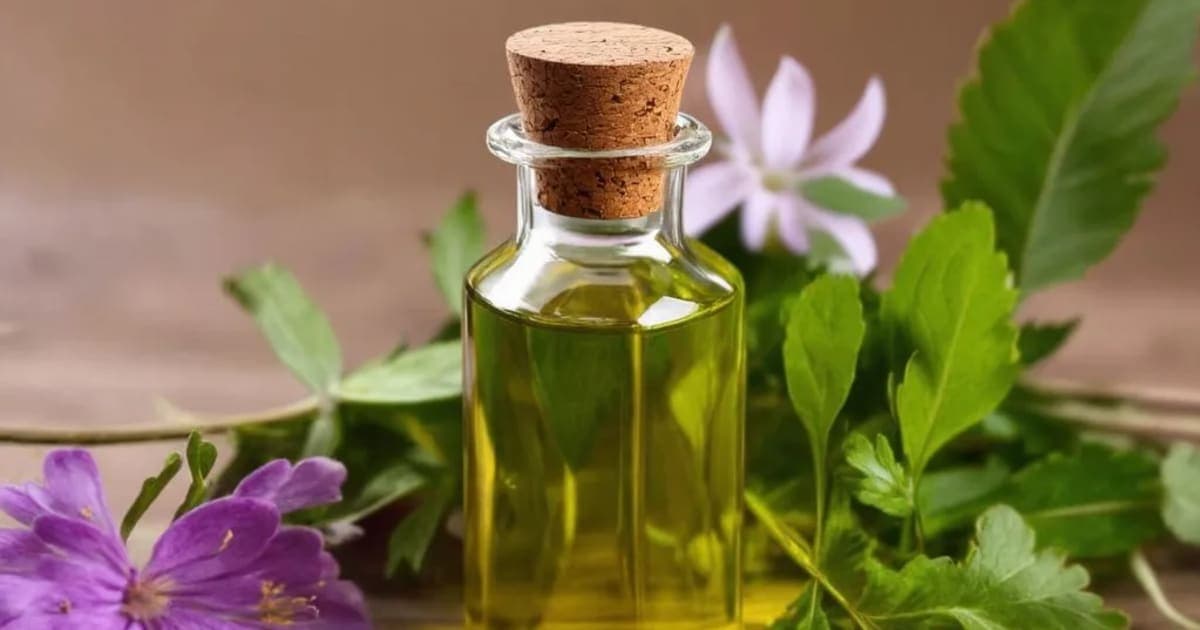
Somaraji Taila: Ancient Remedy for Vitiligo and Skin Pigmentation
Expert Reviewed
Reviewed by AyurvedicUpchar Editorial Team
What is Somaraji Taila in Ayurveda?
Somaraji Taila is a potent medicated oil infused with Bakuchi (Psoralea corylifolia) seeds, traditionally applied to the skin to repigment white patches in vitiligo and heal chronic ulcers. Unlike a generic moisturizer, this oil works by penetrating deep into the dermis to stimulate melanocytes, the cells responsible for skin color. The preparation carries a distinct, earthy aroma and a slightly bitter taste that signals its blood-purifying nature.
Ancient Ayurvedic physicians recognized this oil's unique ability to balance the body's internal fire. In the Bhavaprakash Nighantu, Somaraji Taila is cited as a primary remedy for Shwitra (vitiligo), noting its capacity to clear the channels of toxicity that block skin pigmentation. This oil is not merely a topical application; it acts as a systemic detoxifier that restores the skin's natural vitality from the inside out.
People have used this remedy for centuries by gently massaging it into affected areas after sun exposure, a practice that enhances its absorption and therapeutic effect. The oil feels warming on the skin, a sensation that indicates its heating potency (Ushna Virya) is stimulating local circulation.
How do the Ayurvedic properties of Somaraji Taila work?
The therapeutic power of Somaraji Taila comes from its specific Ayurvedic fingerprint: a bitter taste, sharp quality, and heating potency that together detoxify the blood and penetrate deep skin layers. These properties allow the oil to dissolve accumulated toxins (Ama) and clear the blockages that cause skin discoloration.
Understanding these five fundamental properties helps you use the oil safely and effectively. The table below details exactly how each characteristic influences your physiology:
| Property (Sanskrit) | Value | What it means for your body |
|---|---|---|
| Rasa (Taste) | Tikta (Bitter) | Cleanses the blood, reduces inflammation, and purifies tissues. |
| Guna (Quality) | Tikshna (Sharp) | Allows the oil to penetrate deep into skin layers and hair follicles. |
| Virya (Potency) | Ushna (Hot) | Stimulates local metabolism and increases blood flow to affected areas. |
| Vipaka (Post-digestive) | Katu (Pungent) | Continues to stimulate digestion and elimination of toxins after application. |
| Prabhava (Special Action) | Vataghna (Vata pacifying) | Specifically targets skin disorders that other herbs cannot resolve. |
Which doshas does Somaraji Taila balance or aggravate?
Somaraji Taila primarily pacifies Kapha and Vata doshas, making it ideal for dry, cracked skin, joint stiffness, and stagnant skin conditions like vitiligo. Its heating nature and sharp quality effectively break down the heavy, sticky accumulation of Kapha and the erratic, dry movement of Vata that often underlies chronic skin diseases.
However, you must use caution if you have a Pitta constitution or active inflammation. Because the oil is inherently heating (Ushna), excessive application can aggravate Pitta, potentially causing burning sensations, rashes, or increased body heat. For best results, apply Somaraji Taila only to the affected patches and avoid healthy skin to prevent unnecessary heating.
Signs you need Somaraji Taila
You likely need this treatment if you notice white patches on your skin that feel dry and rough to the touch, or if you experience joint pain accompanied by skin stiffness. These symptoms point to a Vata-Kapha imbalance where toxins have settled in the skin and joints. A grandmother's tip for using this oil is to apply it in the late afternoon, allowing the natural warmth of the setting sun to activate the oil's properties before washing it off gently with warm water.
Frequently Asked Questions about Somaraji Taila
Can I use Somaraji Taila on my face for vitiligo?
Yes, but with extreme caution due to the skin's sensitivity. Apply a very thin layer only to the white patches, avoiding the eyes and mucous membranes. Always perform a patch test on your arm first, as the heating potency can cause irritation on facial skin if left on too long.
Does Somaraji Taila work for all types of skin discoloration?
No, it is specifically indicated for vitiligo (Shwitra) and leprosy-related skin conditions. It is not a general whitening agent and will not help with age spots or melasma caused by sun damage. Using it incorrectly on the wrong condition may worsen the pigmentation or cause irritation.
How long does it take to see results with Somaraji Taila?
Results vary by individual, but visible repigmentation often begins after 4 to 6 weeks of consistent daily application combined with sun exposure. The process is gradual, as the oil must first clear toxins before stimulating new pigment production, so patience and consistency are key.
Is Somaraji Taila safe during pregnancy?
It is generally not recommended for use during pregnancy without direct supervision from an Ayurvedic practitioner. The heating potency and strong blood-moving properties could potentially disturb the delicate balance required during gestation, especially if applied to the lower abdomen.
Frequently Asked Questions
What is Somaraji Taila used for in Ayurveda?
Somaraji Taila is primarily used as a Skin Healer and Complexion Enhancer in Ayurvedic medicine. Medicated oil with Bakuchi, used externally for leucoderma (vitiligo) and other chronic skin diseases. It pacifies Kapha, Vata dosha.
How should I take Somaraji Taila?
Somaraji Taila can be taken as powder (1/2-1 tsp with warm water or milk), decoction (boil 1 tsp in water), or tablets (1-2 daily). Always start with a low dose and consult an Ayurvedic practitioner for personalized guidance.
Is Somaraji Taila safe during pregnancy?
Pregnant and nursing women should not take Somaraji Taila without consulting their doctor first. Most Ayurvedic herbs require medical supervision during pregnancy.
Which dosha does Somaraji Taila balance?
Somaraji Taila pacifies Kapha, Vata. Excessive use may increase Pitta dosha.
Can I take Somaraji Taila daily?
Somaraji Taila can be taken daily in recommended doses for 4-8 weeks. After that, take a 2-week break before resuming. Long-term use should be supervised by a qualified Ayurvedic practitioner.
What are the side effects of Somaraji Taila?
When taken in recommended doses, Somaraji Taila is generally safe. Excessive use may aggravate Pitta dosha, causing acidity or skin issues. Stop use if you experience any adverse reaction.
Related Articles
The Timeless Benefits of Triphala: An Ayurvedic Powerhouse
Discover the transformative benefits of Triphala, an ancient Ayurvedic blend of three fruits that supports digestion, immunity, weight management, and overall vitality.
5 min read
The Divine Benefits of Tulsi (Holy Basil) in Ayurveda
Discover the sacred benefits of Tulsi (Holy Basil) in Ayurveda. From boosting immunity and reducing stress to supporting heart health and digestion, learn how this divine herb can transform your well-being.
4 min read
The Remarkable Benefits of Giloy: An Ayurvedic Powerhouse
Discover the profound health benefits of Giloy, the Ayurvedic 'root of immortality.' Learn how this powerful herb boosts immunity, manages diabetes, improves digestion, and supports skin, hair, and bone health.
5 min read
The Remarkable Benefits of Ashwagandha: An Ayurvedic Perspective
Discover the ancient wisdom of Ashwagandha, a powerful Ayurvedic adaptogen known for reducing stress, boosting immunity, improving sleep, and enhancing physical strength.
4 min read
Brihatyadi Kashayam: Natural Relief for Urinary Tract Disorders and Cystitis
Brihatyadi Kashayam is a cooling Ayurvedic decoction that targets urinary burning and cystitis by balancing Vata and Pitta. Unlike standard teas, this concentrated liquid extract is specifically designed to reduce inflammation in the bladder lining while flushing out toxins.
5 min read
Asphota: Ayurvedic Brain Tonic, Calming Herb & Blood Purifier
Often overlooked, Asphota is a cooling, bitter herb that acts as a gentle brain tonic and blood purifier. While it shares traits with the popular Aparajita, its unique astringent quality makes it particularly effective for stopping bleeding and soothing inflamed tissues.
6 min read
References & Sources
This article is based on principles from classical Ayurvedic texts including Charaka Samhita, Sushruta Samhita, and Ashtanga Hridaya. Content has been reviewed for accuracy by our editorial team. For specific medical conditions, always consult a qualified Ayurvedic practitioner or healthcare provider.
- • Charaka Samhita (चरक संहिता)
- • Sushruta Samhita (सुश्रुत संहिता)
- • Ashtanga Hridaya (अष्टांग हृदय)
Found an error in this article? Let us know