
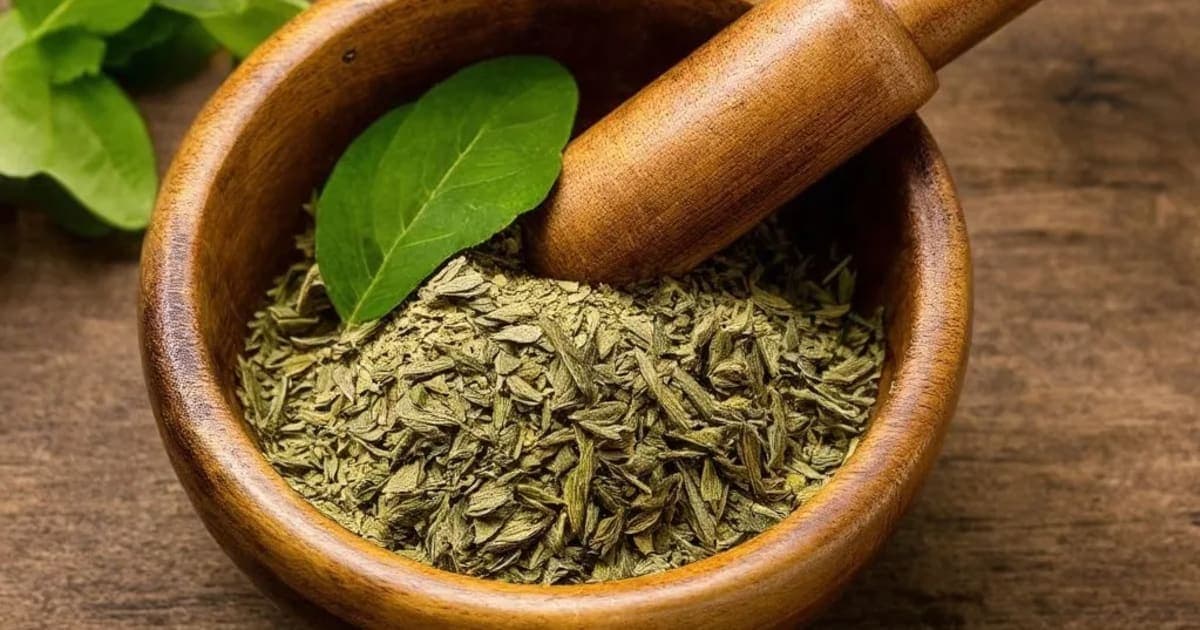
Sita (Rock Sugar): Cooling Benefits for Pitta & Vata Balance in Ayurveda
Expert Reviewed
Reviewed by AyurvedicUpchar Editorial Team
What is Sita in Ayurveda?
Sita, commonly known as rock sugar or Mishri, is a crystallized form of cane sugar that Ayurveda classifies as a cooling, nourishing medicine rather than a mere sweetener. Unlike refined white sugar, which generates heat and inflammation, Sita possesses a distinct Sheeta Virya (cooling energy) that helps calm the mind and soothe irritated tissues.
In the classical text Charaka Samhita, Sutra Sthana, this substance is described as a vital Dravya used to balance Vata and Pitta doshas while providing immediate relief from internal heat. A key fact for modern practitioners is that Sita is one of the few sweet substances that does not aggravate Pitta when used in moderation, making it a preferred choice for fevers, acidity, and sunburn.
When you hold a piece of Sita, it feels cool and hard, dissolving slowly on the tongue with a clean, sweet taste that lacks the cloying aftertaste of processed sugars. Grandmothers often keep a small jar of it in the kitchen to offer children who have a sore throat or to give to someone feeling lightheaded from the summer sun.
How do the Ayurvedic properties of Sita affect the body?
The therapeutic effects of Sita are determined by its specific pharmacological profile, which includes a sweet taste, heavy and unctuous qualities, and a cooling potency. These properties allow it to nourish the tissues (Dhatus) while simultaneously reducing inflammation and calming the nervous system.
| Property (Sanskrit) | Value | What it means for your body |
|---|---|---|
| Rasa (Taste) | Madhura | Sweet; nourishes blood and bone marrow, calms the mind, and reduces anxiety. |
| Guna (Quality) | Guru, Snigdha | Heavy and Oily; provides deep tissue nourishment and lubricates dry joints. |
| Virya (Potency) | Sheeta | Cooling; directly counteracts excess heat, burning sensations, and fever. |
| Vipaka (Post-digestive) | Madhura | Sweet; promotes tissue building and supports long-term vitality after digestion. |
This unique combination means Sita acts as a natural coolant for the digestive tract. While many sweeteners can clog the channels (Srotas), the specific crystalline structure of Sita allows it to be absorbed gently, making it ideal for those with weak digestion who still need energy.
Which dosha does Sita balance and when should you avoid it?
Sita primarily pacifies Vata and Pitta doshas, making it an excellent remedy for conditions involving dryness, anxiety, burning sensations, or excessive heat. It is particularly effective when the body feels depleted, shaky, or inflamed due to environmental or emotional stress.
However, individuals with a dominant Kapha constitution or those suffering from active congestion, obesity, or diabetes must use Sita with caution. Because it is heavy and sweet, excessive consumption can increase Kapha, leading to lethargy, mucus buildup, or sluggish digestion. The rule of thumb is simple: if you feel heavy or congested, reduce your intake immediately.
Practical signs you need Sita
You might benefit from Sita if you experience dry, cracked skin, insomnia, a racing heart, or a burning sensation in the stomach and throat. It is also helpful for those who feel cold easily despite warm weather, as the substance provides a grounding, warming effect through nourishment without generating metabolic heat. A classic home remedy involves dissolving a small piece of Sita in warm milk with a pinch of cardamom to settle a restless mind before bed.
How is Sita used therapeutically in daily life?
Sita is used as a vehicle (Anupana) to deliver other herbs deeper into the tissues and as a standalone remedy for immediate cooling. In traditional practice, a small piece is placed under the tongue to stop hiccups or to calm a sudden spike in blood pressure caused by anger or fright.
For respiratory issues, practitioners often mix Sita with fresh ginger juice or honey to coat the throat and reduce coughing. Unlike raw sugar, which can be sticky and hard to digest for some, Sita dissolves cleanly, making it the preferred sweetener in Ayurvedic formulations like Chyawanprash and various herbal decoctions.
Remember that while Sita is medicinal, it is still a form of sugar. The Bhavaprakash Nighantu advises that it should be consumed in small quantities, specifically as a therapeutic agent rather than a dietary staple, to avoid tipping the balance toward Kapha imbalance over time.
Common questions about using Sita
Is Sita safe for people with diabetes?
Sita is generally not recommended for uncontrolled diabetes because, despite its cooling properties, it still raises blood sugar. However, some Ayurvedic practitioners may prescribe tiny amounts (under 1 gram) in specific formulations for acute heat conditions, but this requires strict professional supervision.
How is Sita different from regular sugar?
Regular white sugar is heating and drying, often aggravating Pitta and Vata, while Sita is cooling and nourishing. The crystallization process of Sita removes impurities found in raw sugar, resulting in a substance that is easier to digest and less likely to cause inflammation.
Can I use Sita for a sore throat?
Yes, Sita is excellent for sore throats. Its cooling Virya soothes the inflamed mucous membranes, and its Snigdha (oily) quality coats the throat, reducing the scratchy sensation. A common method is to let a small piece dissolve slowly in the mouth.
What happens if I eat too much Sita?
Excessive consumption can increase Kapha dosha, leading to symptoms like weight gain, excessive mucus, sluggishness, and digestive heaviness. It may also cause acne or skin eruptions in people prone to Pitta-Kapha skin issues.
How do I store Sita to maintain its quality?
Store Sita in an airtight glass container in a cool, dry place. If exposed to humidity, it can become sticky or clump together, though this does not necessarily ruin its medicinal properties. Avoid storing it near strong-smelling spices, as the crystals can absorb odors.
Frequently Asked Questions
What is Sita used for in Ayurveda?
Sita is primarily used as a Strength Promoter and Reproductive Tonic in Ayurvedic medicine. Rock sugar or sugar candy (Mishri) is cooling and pacifies Pitta, unlike processed white sugar. It pacifies Vata, Pitta dosha.
How should I take Sita?
Sita can be taken as powder (1/2-1 tsp with warm water or milk), decoction (boil 1 tsp in water), or tablets (1-2 daily). Always start with a low dose and consult an Ayurvedic practitioner for personalized guidance.
Is Sita safe during pregnancy?
Pregnant and nursing women should not take Sita without consulting their doctor first. Most Ayurvedic herbs require medical supervision during pregnancy.
Which dosha does Sita balance?
Sita pacifies Vata, Pitta. Excessive use may increase Kapha dosha.
Can I take Sita daily?
Sita can be taken daily in recommended doses for 4-8 weeks. After that, take a 2-week break before resuming. Long-term use should be supervised by a qualified Ayurvedic practitioner.
What are the side effects of Sita?
When taken in recommended doses, Sita is generally safe. Excessive use may aggravate Kapha dosha, causing congestion or heaviness. Stop use if you experience any adverse reaction.
Related Articles
The Timeless Benefits of Triphala: An Ayurvedic Powerhouse
Discover the transformative benefits of Triphala, an ancient Ayurvedic blend of three fruits that supports digestion, immunity, weight management, and overall vitality.
5 min read
The Divine Benefits of Tulsi (Holy Basil) in Ayurveda
Discover the sacred benefits of Tulsi (Holy Basil) in Ayurveda. From boosting immunity and reducing stress to supporting heart health and digestion, learn how this divine herb can transform your well-being.
4 min read
The Remarkable Benefits of Giloy: An Ayurvedic Powerhouse
Discover the profound health benefits of Giloy, the Ayurvedic 'root of immortality.' Learn how this powerful herb boosts immunity, manages diabetes, improves digestion, and supports skin, hair, and bone health.
5 min read
The Remarkable Benefits of Ashwagandha: An Ayurvedic Perspective
Discover the ancient wisdom of Ashwagandha, a powerful Ayurvedic adaptogen known for reducing stress, boosting immunity, improving sleep, and enhancing physical strength.
4 min read
Brihatyadi Kashayam: Natural Relief for Urinary Tract Disorders and Cystitis
Brihatyadi Kashayam is a cooling Ayurvedic decoction that targets urinary burning and cystitis by balancing Vata and Pitta. Unlike standard teas, this concentrated liquid extract is specifically designed to reduce inflammation in the bladder lining while flushing out toxins.
5 min read
Asphota: Ayurvedic Brain Tonic, Calming Herb & Blood Purifier
Often overlooked, Asphota is a cooling, bitter herb that acts as a gentle brain tonic and blood purifier. While it shares traits with the popular Aparajita, its unique astringent quality makes it particularly effective for stopping bleeding and soothing inflamed tissues.
6 min read
References & Sources
This article is based on principles from classical Ayurvedic texts including Charaka Samhita, Sushruta Samhita, and Ashtanga Hridaya. Content has been reviewed for accuracy by our editorial team. For specific medical conditions, always consult a qualified Ayurvedic practitioner or healthcare provider.
- • Charaka Samhita (चरक संहिता)
- • Sushruta Samhita (सुश्रुत संहिता)
- • Ashtanga Hridaya (अष्टांग हृदय)
Found an error in this article? Let us know