
Shirisha: The Anti-Allergic Herb for Poisoning and Respiratory Relief
Expert Reviewed
Reviewed by AyurvedicUpchar Editorial Team
What is Shirisha and why is it used for allergies?
Shirisha (Albizia lebbeck) is a cooling Ayurvedic herb primarily used to treat severe allergies, skin rashes, and respiratory congestion caused by toxins. Known as the "anti-allergic tree," its bark and leaves are boiled into teas or ground into powders to neutralize venomous bites and clear stubborn mucus. Unlike synthetic antihistamines that block symptoms, Shirisha works by digesting the underlying toxin (Ama) that triggers the immune reaction.
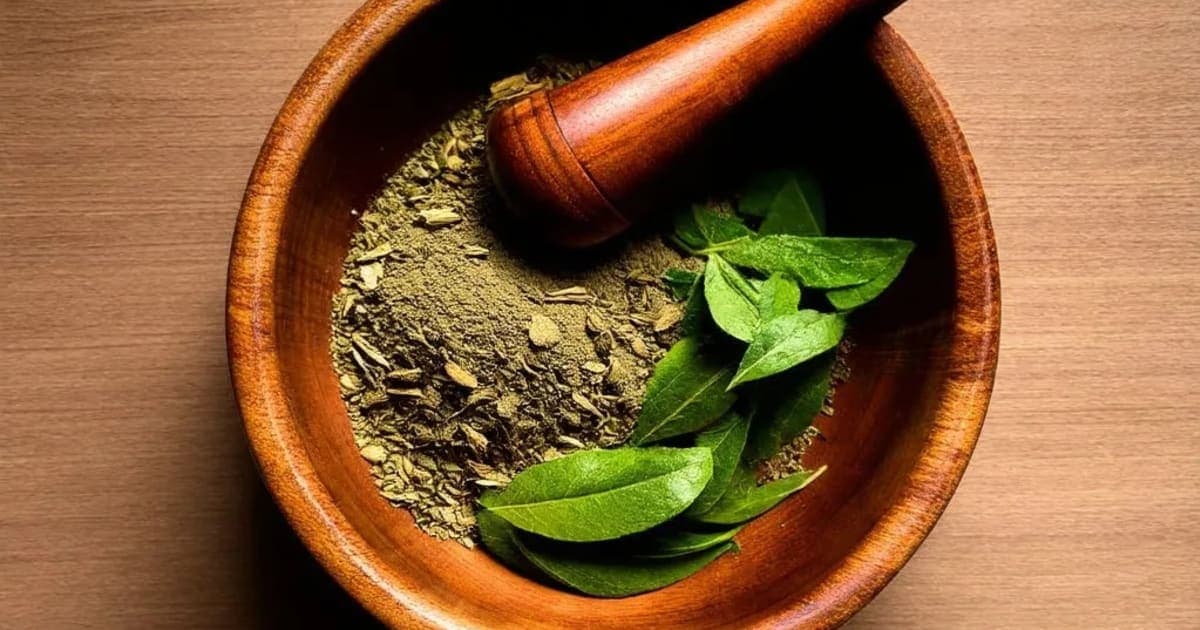
You will often find this herb growing near water bodies in India, where its distinctive rattling seed pods give it the nickname "Woman's Tongue." When you crush the fresh leaves, they release a faint, grassy scent that hints at their bitter, drying nature. This specific taste profile is what allows Shirisha to scrape away excess Kapha from the lungs and skin.
Classical texts like the Charaka Samhita (Sutra Sthana) explicitly categorize Shirisha as a premier Vishaghna dravya, meaning it possesses the unique power to counteract poisons and allergic reactions. A quotable fact for practitioners is that Shirisha is one of the few herbs indicated for both snake bites and seasonal hay fever, showcasing its broad-spectrum detoxifying ability.
What are the Ayurvedic properties of Shirisha?
The therapeutic action of Shirisha is defined by its bitter and astringent tastes, which make it light, dry, and cooling to the body system. These properties allow it to penetrate deep into the tissues to dry up excess fluid, reduce inflammation, and purify the blood without creating heat. Understanding this profile explains why it is the go-to choice for weeping eczema or runny noses.
| Property (Sanskrit) | Value | What it means for your body |
|---|---|---|
| Rasa (Taste) | Tikta (Bitter), Kashaya (Astringent) | Detoxifies blood, dries excess moisture, and stops bleeding or oozing. |
| Guna (Quality) | Laghu (Light), Ruksha (Dry) | Penetrates tissues quickly and reduces heaviness or swelling. |
| Virya (Potency) | Sheeta (Cooling) | Soothes burning sensations, reduces fever, and calms inflamed skin. |
| Vipaka (Post-digestive) | Katu (Pungent) | Helps break down deep-seated toxins after digestion is complete. |
Which dosha does Shirisha balance?
Shirisha primarily pacifies Kapha dosha due to its drying and light qualities, making it ideal for conditions involving excess mucus, water retention, or sluggish metabolism. While it calms Pitta through its cooling potency, people with high Vata should use it cautiously because its dry, rough nature can aggravate air and space elements if taken too long. Balance is key; this herb is a specialist for clearing blockages, not for building strength.
In practical terms, if you feel heavy, congested, or notice your skin oozing or itching intensely, your Kapha is likely elevated. Grandmothers in rural India often chew a small piece of the fresh bark or boil the leaves to wash affected skin areas when these symptoms appear. However, if you are already thin, anxious, or prone to dry coughs, the herb's roughness might make you feel more scattered or dry.
How do you know if you need Shirisha?
You likely need Shirisha if you suffer from seasonal sneezing fits, hives that worsen with heat, or a persistent feeling of heaviness in the chest and limbs. These signs indicate that toxins are circulating in the blood and settling in the skin or respiratory tract, a condition Shirisha is specifically designed to address. Its ability to act as an antidote makes it useful even for non-seasonal issues like insect bites or mild food poisoning.
What are the main health benefits of Shirisha?
The primary benefits of Shirisha include relieving allergic rhinitis, treating skin disorders like eczema and urticaria, and neutralizing toxins from insect or snake bites. By combining blood-purifying actions with respiratory support, it clears the pathways for breathing while soothing the skin from the inside out. It is particularly effective when the skin condition involves itching and oozing.
For respiratory issues, practitioners often recommend boiling dried Shirisha bark in water and inhaling the steam to open blocked nasal passages. For skin ailments, a fine paste of the leaves mixed with coconut oil is applied directly to rashes to stop the itching and dry out the infection. This dual application method highlights its versatility as both an internal cleanser and an external healer.
Frequently Asked Questions
Is Shirisha safe for daily use?
No, Shirisha is not typically used daily like a food herb; it is a medicinal substance taken for specific periods to treat allergies or poisoning. Long-term use without guidance can dry out the body and aggravate Vata dosha, leading to joint pain or anxiety.
Can Shirisha cure seasonal allergies?
Shirisha effectively manages seasonal allergy symptoms by reducing the immune system's overreaction to pollen and dust. While it provides strong relief, it works best as part of a broader regimen that includes dietary changes to prevent mucus formation.
How is Shirisha different from Turmeric for skin issues?
While Turmeric heats the blood to fight infection, Shirisha cools and dries the blood to stop oozing and itching. You would choose Shirisha for wet, itchy, allergic rashes, whereas Turmeric is better for dry, infected, or slow-healing wounds.
Frequently Asked Questions
What is Shirisha used for in Ayurveda?
Shirisha is primarily used as a Vishaghna and Shwasahara in Ayurvedic medicine. Main anti-allergic herb; used in poisoning and respiratory issues. It pacifies Kapha dosha.
How should I take Shirisha?
Shirisha can be taken as powder (1/2-1 tsp with warm water or milk), decoction (boil 1 tsp in water), or tablets (1-2 daily). Always start with a low dose and consult an Ayurvedic practitioner for personalized guidance.
Is Shirisha safe during pregnancy?
Pregnant and nursing women should not take Shirisha without consulting their doctor first. Most Ayurvedic herbs require medical supervision during pregnancy.
Which dosha does Shirisha balance?
Shirisha pacifies Kapha. Excessive use may increase Pitta, Vata dosha.
Can I take Shirisha daily?
Shirisha can be taken daily in recommended doses for 4-8 weeks. After that, take a 2-week break before resuming. Long-term use should be supervised by a qualified Ayurvedic practitioner.
What are the side effects of Shirisha?
When taken in recommended doses, Shirisha is generally safe. Excessive use may aggravate Pitta, Vata dosha, causing acidity or skin issues. Stop use if you experience any adverse reaction.
Related Articles
The Timeless Benefits of Triphala: An Ayurvedic Powerhouse
Discover the transformative benefits of Triphala, an ancient Ayurvedic blend of three fruits that supports digestion, immunity, weight management, and overall vitality.
5 min read
The Divine Benefits of Tulsi (Holy Basil) in Ayurveda
Discover the sacred benefits of Tulsi (Holy Basil) in Ayurveda. From boosting immunity and reducing stress to supporting heart health and digestion, learn how this divine herb can transform your well-being.
4 min read
The Remarkable Benefits of Giloy: An Ayurvedic Powerhouse
Discover the profound health benefits of Giloy, the Ayurvedic 'root of immortality.' Learn how this powerful herb boosts immunity, manages diabetes, improves digestion, and supports skin, hair, and bone health.
5 min read
The Remarkable Benefits of Ashwagandha: An Ayurvedic Perspective
Discover the ancient wisdom of Ashwagandha, a powerful Ayurvedic adaptogen known for reducing stress, boosting immunity, improving sleep, and enhancing physical strength.
4 min read
Brihatyadi Kashayam: Natural Relief for Urinary Tract Disorders and Cystitis
Brihatyadi Kashayam is a cooling Ayurvedic decoction that targets urinary burning and cystitis by balancing Vata and Pitta. Unlike standard teas, this concentrated liquid extract is specifically designed to reduce inflammation in the bladder lining while flushing out toxins.
5 min read
Asphota: Ayurvedic Brain Tonic, Calming Herb & Blood Purifier
Often overlooked, Asphota is a cooling, bitter herb that acts as a gentle brain tonic and blood purifier. While it shares traits with the popular Aparajita, its unique astringent quality makes it particularly effective for stopping bleeding and soothing inflamed tissues.
6 min read
References & Sources
This article is based on principles from classical Ayurvedic texts including Charaka Samhita, Sushruta Samhita, and Ashtanga Hridaya. Content has been reviewed for accuracy by our editorial team. For specific medical conditions, always consult a qualified Ayurvedic practitioner or healthcare provider.
- • Charaka Samhita (चरक संहिता)
- • Sushruta Samhita (सुश्रुत संहिता)
- • Ashtanga Hridaya (अष्टांग हृदय)
Found an error in this article? Let us know