
Shigru: Benefits, Uses & Ayurvedic Properties for Digestion and Detox
Expert Reviewed
Reviewed by AyurvedicUpchar Editorial Team
What is Shigru and why is it used in Ayurveda?
Shigru, known globally as Moringa oleifera, is a heating herb with pungent and bitter tastes used in Ayurveda to clear metabolic waste, sharpen digestion, and purify the blood. While modern nutrition hails it as a "superfood" packed with vitamins, traditional practitioners value its ability to cut through heaviness and stagnation in the body.
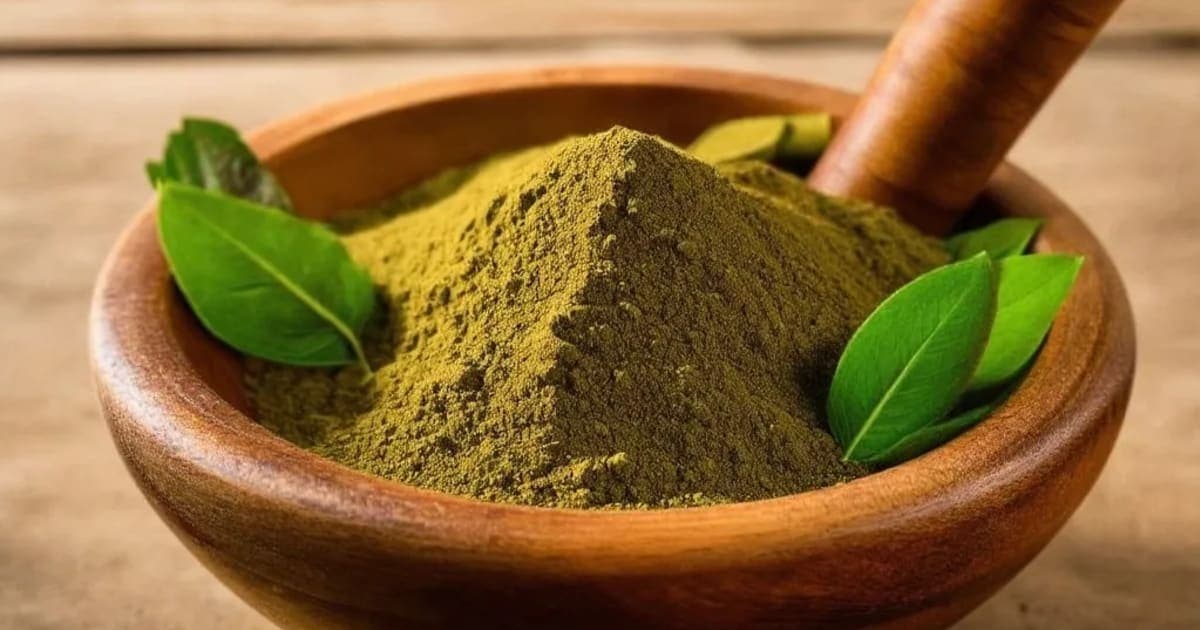
You might know it as the drumstick tree, often found in South Indian sambar or as a fine green powder stirred into warm milk. The Charaka Samhita, specifically in the Sutra Sthana section, classifies Shigru as a potent agent for removing Ama (toxins) due to its sharp, penetrating quality. Unlike bland supplements, this herb has a distinct presence: the fresh leaves smell earthy and slightly sulfurous when crushed, while the mature pods offer a sweet, asparagus-like flavor that mellows with cooking.
The magic lies in its taste profile. The pungency (Katu) acts like a scrub brush for your digestive channels, while the bitterness (Tikta) cools and cleans the blood. This combination makes it a go-to for anyone feeling sluggish, bloated, or weighed down by cold, damp weather.
What are the Ayurvedic properties of Shigru?
Shigru is defined by its light, dry, and hot qualities, which allow it to penetrate deep into tissues to dissolve fat and mucus without leaving residue behind. In Ayurvedic pharmacology, these specific traits determine not just what the herb does, but how quickly it works and where it goes in the body.
| Property (Sanskrit) | Value | How it affects your body |
|---|---|---|
| Rasa (Taste) | Katu (Pungent), Tikta (Bitter) | Stimulates metabolic fire and clears blocked channels; bitterness detoxifies blood and reduces excess Kapha. |
| Guna (Quality) | Laghu (Light), Ruksha (Dry) | Ensures rapid absorption and prevents the herb from creating heaviness or slime in the gut. |
| Virya (Potency) | Ushna (Hot) | Generates internal heat to improve circulation and ignite digestive fire (Agni). |
| Vipaka (Post-digestive) | Katu (Pungent) | Leaves a lasting heating and scraping effect on tissues, helping to reduce fat and fluid retention. |
This unique combination means Shigru doesn't just sit in your stomach; it actively scrapes away excess fat and mucus. A quotable fact from classical texts notes that Shigru is one of the few substances capable of penetrating deep bone tissue (Asthi Dhatu) to relieve joint pain caused by Vata imbalance.
Which doshas does Shigru balance or aggravate?
Shigru primarily pacifies Kapha and Vata doshas, making it ideal for conditions involving water retention, sluggish digestion, or joint stiffness, though it can aggravate Pitta if used excessively. Its heating nature brings warmth to cold joints and its drying quality removes excess moisture from the lungs and stomach.
For those with high Kapha, think of the feeling of waking up groggy with a coated tongue or heavy limbs after a rainy day; Shigru cuts through that fog. For Vata types suffering from dry, cracking joints or irregular digestion, the oil found in Shigru seeds (often used in external preparations) combined with the herb's penetrating heat can provide significant relief.
However, caution is necessary for Pitta individuals. If you already run hot, suffer from acid reflux, or have angry, red skin rashes, the intense heat of Shigru might fan those flames. In such cases, it is best used in small amounts or combined with cooling herbs like coriander or fennel to balance its potency.
How do people actually use Shigru at home?
Most families in Kerala and Tamil Nadu use fresh Shigru pods (drumsticks) in soups and curries to aid digestion naturally, while dried leaf powder is commonly mixed with warm water or milk for a quick detox tonic. You don't need complex formulations to benefit from it. A simple grandmother's remedy for joint pain involves making a warm paste of Shigru leaf powder and sesame oil, applying it to stiff knees, and covering it with a cloth for twenty minutes. For internal cleansing, a quarter teaspoon of the dried leaf powder stirred into hot water with a pinch of black pepper can help kickstart a slow morning metabolism.
Frequently Asked Questions about Shigru
Can I take Shigru every day?
Yes, most people can consume Shigru daily in food amounts, such as eating drumstick pods in curry or taking small doses of leaf powder. However, daily medicinal doses should be monitored by a practitioner, especially for those with sensitive digestion or high Pitta.
Does Shigru help with weight loss?
Shigru supports weight loss by increasing metabolic fire and reducing Kapha-related water retention and fat accumulation. Its light and dry qualities help scrape excess tissue, but it works best when combined with a balanced diet and activity.
Is Moringa the same as Shigru?
Yes, Shigru is the Sanskrit name for Moringa oleifera, commonly known as the drumstick tree or horseradish tree. While the names are interchangeable, Ayurvedic usage often specifies which part of the plant (root, bark, leaf, or seed) is needed for a particular condition.
Who should avoid taking Shigru?
Pregnant women should avoid Shigru roots and bark as they may stimulate uterine contractions, and individuals with high Pitta or active bleeding disorders should use it with caution. Always consult a healthcare provider before starting new herbal regimens during pregnancy or while on medication.
Frequently Asked Questions
What is Shigru used for in Ayurveda?
Shigru is primarily used as a Shothahara and Antiparasitic in Ayurvedic medicine. Moringa is rich in nutrients, detoxifies blood, and improves digestion. It pacifies Kapha, Vata dosha.
How should I take Shigru?
Shigru can be taken as powder (1/2-1 tsp with warm water or milk), decoction (boil 1 tsp in water), or tablets (1-2 daily). Always start with a low dose and consult an Ayurvedic practitioner for personalized guidance.
Is Shigru safe during pregnancy?
Pregnant and nursing women should not take Shigru without consulting their doctor first. Most Ayurvedic herbs require medical supervision during pregnancy.
Which dosha does Shigru balance?
Shigru pacifies Kapha, Vata. Excessive use may increase Pitta dosha.
Can I take Shigru daily?
Shigru can be taken daily in recommended doses for 4-8 weeks. After that, take a 2-week break before resuming. Long-term use should be supervised by a qualified Ayurvedic practitioner.
What are the side effects of Shigru?
When taken in recommended doses, Shigru is generally safe. Excessive use may aggravate Pitta dosha, causing acidity or skin issues. Stop use if you experience any adverse reaction.
Related Articles
The Timeless Benefits of Triphala: An Ayurvedic Powerhouse
Discover the transformative benefits of Triphala, an ancient Ayurvedic blend of three fruits that supports digestion, immunity, weight management, and overall vitality.
5 min read
The Divine Benefits of Tulsi (Holy Basil) in Ayurveda
Discover the sacred benefits of Tulsi (Holy Basil) in Ayurveda. From boosting immunity and reducing stress to supporting heart health and digestion, learn how this divine herb can transform your well-being.
4 min read
The Remarkable Benefits of Giloy: An Ayurvedic Powerhouse
Discover the profound health benefits of Giloy, the Ayurvedic 'root of immortality.' Learn how this powerful herb boosts immunity, manages diabetes, improves digestion, and supports skin, hair, and bone health.
5 min read
The Remarkable Benefits of Ashwagandha: An Ayurvedic Perspective
Discover the ancient wisdom of Ashwagandha, a powerful Ayurvedic adaptogen known for reducing stress, boosting immunity, improving sleep, and enhancing physical strength.
4 min read
Brihatyadi Kashayam: Natural Relief for Urinary Tract Disorders and Cystitis
Brihatyadi Kashayam is a cooling Ayurvedic decoction that targets urinary burning and cystitis by balancing Vata and Pitta. Unlike standard teas, this concentrated liquid extract is specifically designed to reduce inflammation in the bladder lining while flushing out toxins.
5 min read
Asphota: Ayurvedic Brain Tonic, Calming Herb & Blood Purifier
Often overlooked, Asphota is a cooling, bitter herb that acts as a gentle brain tonic and blood purifier. While it shares traits with the popular Aparajita, its unique astringent quality makes it particularly effective for stopping bleeding and soothing inflamed tissues.
6 min read
References & Sources
This article is based on principles from classical Ayurvedic texts including Charaka Samhita, Sushruta Samhita, and Ashtanga Hridaya. Content has been reviewed for accuracy by our editorial team. For specific medical conditions, always consult a qualified Ayurvedic practitioner or healthcare provider.
- • Charaka Samhita (चरक संहिता)
- • Sushruta Samhita (सुश्रुत संहिता)
- • Ashtanga Hridaya (अष्टांग हृदय)
Found an error in this article? Let us know