
Shankhpushpi Benefits: The Ancient Brain Tonic for Memory and Calm
Expert Reviewed
Reviewed by AyurvedicUpchar Editorial Team
What is Shankhpushpi?
Shankhpushpi is a creeping vine revered in Ayurveda as a Medhya Rasayana, a specific category of herb that nourishes the brain, sharpens memory, and calms a restless mind. Unlike synthetic nootropics that force stimulation, this herb works by cooling the nervous system and providing the deep nutrition needed for mental clarity.
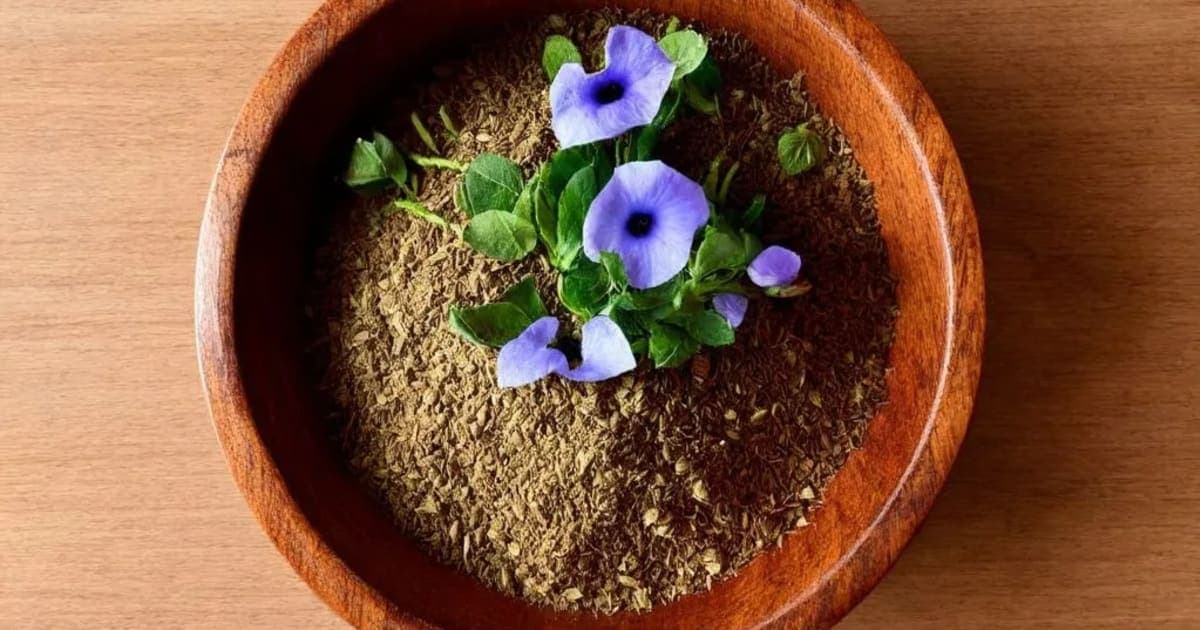
You will often find this plant growing wild across India, recognized by its delicate blue flowers that bloom in the monsoon. The name itself comes from the Sanskrit words for 'conch shell' and 'flower,' describing the spiral shape of its blossoms. While modern science is just beginning to study its cognitive effects, classical texts like the Charaka Samhita (Sutra Sthana 4.10) have long listed it among the premier herbs for intellect (Buddhi) and longevity.
A key fact to remember is that Shankhpushpi is not a single botanical species but refers to at least four different plants used interchangeably in different regions, with Convolvulus pluricaulis being the most common in northern India. Its primary action is balancing the subtle energies of the mind while physically cooling the blood and liver.
What are the Ayurvedic properties of Shankhpushpi?
Shankhpushpi is defined by its bitter taste, oily quality, and cooling potency, a combination that makes it exceptionally effective at soothing inflammation and clearing mental fog without causing drowsiness. In Ayurvedic pharmacology, these specific traits determine how the herb moves through your digestive tract and settles into your tissues.
When you consume Shankhpushpi, perhaps as a powder mixed into warm milk before bed, its Snigdha (oily) quality helps it cross the blood-brain barrier more effectively than dry, light herbs. This is why it is often preferred for students or the elderly who need sustained mental focus rather than a quick caffeine-like jolt.
| Property (Sanskrit) | Value | What this means for your body |
|---|---|---|
| Rasa (Taste) | Tikta (Bitter) | Cleanses the blood, reduces excess heat, and clears toxins from the liver and skin. |
| Guna (Quality) | Snigdha (Oily) | Provides moisture to dry tissues, supports nerve conductivity, and aids deep absorption. |
| Virya (Potency) | Sheeta (Cooling) | Lowers body temperature, calms burning sensations, and soothes an overheated mind. |
| Vipaka (Post-digestive) | Madhura (Sweet) | Builds tissue and nourishes the nervous system after digestion is complete. |
Which doshas does Shankhpushpi balance?
Shankhpushpi primarily pacifies Vata and Pitta doshas, making it an ideal remedy for anxiety, irritability, and conditions caused by excess heat or dryness in the body. Because it is cooling and unctuous, it directly counteracts the rough, mobile nature of Vata and the sharp, hot nature of Pitta.
People with a Kapha constitution should use this herb with care. Since Shankhpushpi is heavy and oily, taking it in large doses or for extended periods can increase Kapha, potentially leading to sluggishness, excessive sleepiness, or mucus accumulation. If you have a Kapha imbalance, combine it with warming spices like ginger or black pepper to offset the heaviness.
You might need Shankhpushpi if you experience racing thoughts at night, feel physically hot but mentally scattered, or suffer from tension headaches that feel like a tight band around your head. These are classic signs that Vata and Pitta are disturbing your mental peace, and the grounding, cooling nature of this herb can restore equilibrium.
How is Shankhpushpi used for health benefits?
The most traditional way to use Shankhpushpi is by taking 3–6 grams of the dried powder mixed with warm milk and a teaspoon of ghee, usually taken in the evening to promote restorative sleep and memory consolidation. This specific preparation leverages the fat-soluble nature of the herb's active compounds, ensuring they reach the brain tissue effectively.
For those dealing with high blood pressure or frequent nosebleeds due to heat, fresh juice of the plant (about 10–20 ml) mixed with coriander water can be incredibly soothing. In rural traditions, grandmothers often apply a paste of the fresh leaves mixed with sandalwood powder on the forehead to relieve stress headaches and cool the eyes during summer.
Beyond mental health, its blood-purifying qualities make it useful for skin conditions like eczema or acne where redness and inflammation are prominent. Whether used as a tea, a powder, or a fresh paste, the goal is always to introduce that cooling, stabilizing influence to a system that has become too heated or agitated.
Frequently Asked Questions
Does Shankhpushpi cause drowsiness?
Shankhpushpi does not typically cause heavy drowsiness like sedative drugs; instead, it induces a state of calm alertness. However, because it promotes deep relaxation, some people may feel sleepy if taken in large doses during the day, which is why evening administration is often recommended.
Can children take Shankhpushpi for study focus?
Yes, Shankhpushpi is considered safe for children and is often given in small doses (1–2 grams) with milk to support memory and reduce exam stress. It is always best to consult an Ayurvedic practitioner for the correct dosage based on the child's age and digestion strength.
How long does it take for Shankhpushpi to work?
As a nourishing rasayana, Shankhpushpi works gradually rather than instantly; most people notice improved sleep and reduced anxiety within two weeks of daily use. Significant improvements in memory and cognitive retention usually require consistent use for 4 to 6 weeks.
Frequently Asked Questions
What is Shankhpushpi used for in Ayurveda?
Shankhpushpi is primarily used as a Brain Tonic and Nidrajanana in Ayurvedic medicine. A premier brain tonic (Medhya rasayana), Shankhpushpi is renowned for enhancing memory, intellect, and calming the mind. It pacifies Vata, Pitta dosha.
How should I take Shankhpushpi?
Shankhpushpi can be taken as powder (1/2-1 tsp with warm water or milk), decoction (boil 1 tsp in water), or tablets (1-2 daily). Always start with a low dose and consult an Ayurvedic practitioner for personalized guidance.
Is Shankhpushpi safe during pregnancy?
Pregnant and nursing women should not take Shankhpushpi without consulting their doctor first. Most Ayurvedic herbs require medical supervision during pregnancy.
Which dosha does Shankhpushpi balance?
Shankhpushpi pacifies Vata, Pitta. Excessive use may increase Kapha dosha.
Can I take Shankhpushpi daily?
Shankhpushpi can be taken daily in recommended doses for 4-8 weeks. After that, take a 2-week break before resuming. Long-term use should be supervised by a qualified Ayurvedic practitioner.
What are the side effects of Shankhpushpi?
When taken in recommended doses, Shankhpushpi is generally safe. Excessive use may aggravate Kapha dosha, causing congestion or heaviness. Stop use if you experience any adverse reaction.
Related Articles
The Timeless Benefits of Triphala: An Ayurvedic Powerhouse
Discover the transformative benefits of Triphala, an ancient Ayurvedic blend of three fruits that supports digestion, immunity, weight management, and overall vitality.
5 min read
The Divine Benefits of Tulsi (Holy Basil) in Ayurveda
Discover the sacred benefits of Tulsi (Holy Basil) in Ayurveda. From boosting immunity and reducing stress to supporting heart health and digestion, learn how this divine herb can transform your well-being.
4 min read
The Remarkable Benefits of Giloy: An Ayurvedic Powerhouse
Discover the profound health benefits of Giloy, the Ayurvedic 'root of immortality.' Learn how this powerful herb boosts immunity, manages diabetes, improves digestion, and supports skin, hair, and bone health.
5 min read
The Remarkable Benefits of Ashwagandha: An Ayurvedic Perspective
Discover the ancient wisdom of Ashwagandha, a powerful Ayurvedic adaptogen known for reducing stress, boosting immunity, improving sleep, and enhancing physical strength.
4 min read
Brihatyadi Kashayam: Natural Relief for Urinary Tract Disorders and Cystitis
Brihatyadi Kashayam is a cooling Ayurvedic decoction that targets urinary burning and cystitis by balancing Vata and Pitta. Unlike standard teas, this concentrated liquid extract is specifically designed to reduce inflammation in the bladder lining while flushing out toxins.
5 min read
Asphota: Ayurvedic Brain Tonic, Calming Herb & Blood Purifier
Often overlooked, Asphota is a cooling, bitter herb that acts as a gentle brain tonic and blood purifier. While it shares traits with the popular Aparajita, its unique astringent quality makes it particularly effective for stopping bleeding and soothing inflamed tissues.
6 min read
References & Sources
This article is based on principles from classical Ayurvedic texts including Charaka Samhita, Sushruta Samhita, and Ashtanga Hridaya. Content has been reviewed for accuracy by our editorial team. For specific medical conditions, always consult a qualified Ayurvedic practitioner or healthcare provider.
- • Charaka Samhita (चरक संहिता)
- • Sushruta Samhita (सुश्रुत संहिता)
- • Ashtanga Hridaya (अष्टांग हृदय)
Found an error in this article? Let us know