
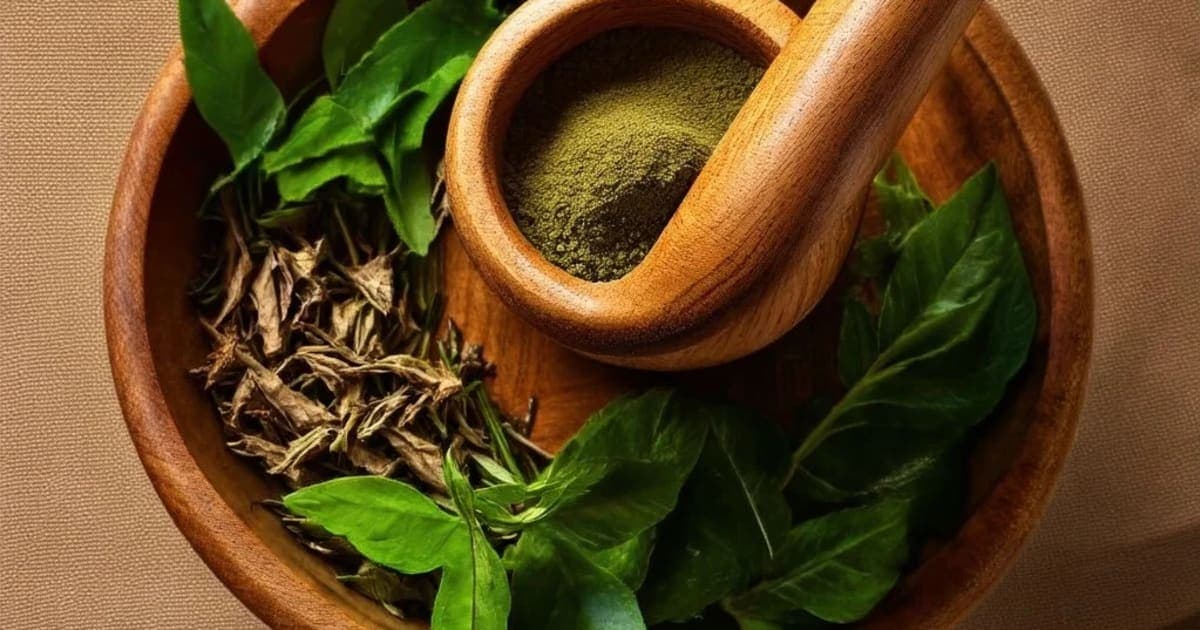
Shana (Crotalaria juncea): Ayurvedic Remedy for Bleeding Disorders and Pitta Balance
Expert Reviewed
Reviewed by AyurvedicUpchar Editorial Team
What is Shana and how does it work in Ayurveda?
Shana, the common name for Crotalaria juncea, is a cooling, astringent herb primarily used to arrest bleeding and reduce inflammation. Unlike many herbs that rely on bitter or pungent tastes, Shana derives its power from its Kashaya (astringent) flavor, which acts like a natural bandage for internal tissues. In the classical text Bhavaprakash Nighantu, it is described as a specific remedy for bleeding disorders, where its ability to dry and tighten tissues helps seal wounds from the inside out.
You might recognize Shana not just as a medicine, but as the source of the strong fiber used for making ropes and sacks. However, in the kitchen and clinic, the seeds and leaves are valued for their ability to soothe the heat of Pitta. A quotable fact from Ayurvedic practice is that Shana's drying quality makes it uniquely effective for oozing wounds and excessive discharge, yet this same quality means it must be used with oil or ghee to prevent drying out the body's essential fluids.
What are the Ayurvedic properties of Shana?
The therapeutic action of Shana is defined by five specific properties that dictate how it moves through your system, starting with its astringent taste and ending with a pungent aftertaste. These characteristics explain why it cools the blood while simultaneously drying up excess moisture in the tissues.
| Property (Sanskrit) | Value | What it means for your body |
|---|---|---|
| Rasa (Taste) | Kashaya | Astringent — creates a drying, tightening sensation that stops bleeding and heals wounds |
| Guna (Physical quality) | Ruksha | Dry — absorbs excess fluid and moves slowly through the body |
| Virya (Potency) | Sheeta | Cooling — immediately reduces burning sensations, fevers, and inflammatory heat |
| Vipaka (Post-digestive effect) | Katu | Pungent — the final metabolic effect that can stimulate digestion after the initial cooling |
Which doshas does Shana balance or aggravate?
Shana effectively pacifies Pitta and Kapha doshas due to its cooling temperature and drying texture, making it ideal for inflammatory or damp conditions. However, because it is naturally dry (Ruksha) and astringent, it can aggravate Vata dosha if taken in excess or without an oily base like ghee or sesame oil.
People with a Vata constitution, or those currently experiencing gas, bloating, dry skin, or anxiety, should approach this herb with caution. A practitioner might suggest mixing Shana powder with warm milk and a teaspoon of ghee to counteract its drying nature, ensuring the cooling benefits for Pitta do not inadvertently cause Vata-related discomfort. If you feel a tightening in your chest or increased dryness after taking it, discontinue use immediately.
How do people traditionally use Shana for healing?
Traditional usage of Shana focuses on its ability to stop bleeding and soothe skin irritations, often administered as a fine powder mixed with cooling liquids. In rural Ayurvedic practice, a common method involves taking half a teaspoon of Shana seed powder mixed with cold milk or water to manage internal bleeding or heavy menstrual flow. For external application, a paste made from the fresh leaves is applied directly to burns, cuts, or rashes to draw out heat and prevent infection.
Another practical tip passed down through generations is using Shana to calm skin rashes caused by excess heat. When the skin feels hot and angry, a thin layer of the leaf paste provides immediate relief by drawing out the fire of Pitta. Unlike modern topical creams that sit on the surface, Shana works by penetrating the tissue to tighten capillaries and reduce the flow of fluids causing the rash.
What are the specific benefits of Shana for health?
Shana offers targeted relief for conditions involving heat, excess fluid, and bleeding, acting as a natural hemostatic and anti-inflammatory agent. Its primary benefit lies in its ability to arrest bleeding from the nose, gums, or uterus while simultaneously cooling the blood to prevent further inflammation.
Beyond bleeding, Shana is highly valued for managing skin conditions characterized by heat and discharge, such as acne, eczema, or infected wounds. The herb's drying quality helps clear up weeping sores, while its cooling potency reduces the redness and burning sensation associated with Pitta imbalances. Additionally, it is sometimes used to support the digestive tract by reducing inflammation in the gut lining, though this is always done under supervision to avoid causing constipation in Vata types.
What should you know before using Shana?
While Shana is a powerful tool for stopping bleeding, it is not suitable for everyone without modification, particularly those with dry or constipated constitutions. The most important precaution is that Shana should never be taken on an empty stomach by Vata individuals, as its dry nature can lead to severe cramping or gas.
Always consult a qualified Ayurvedic practitioner before using Shana for internal bleeding, as the underlying cause must be diagnosed correctly. If you are pregnant or breastfeeding, avoid internal use unless explicitly prescribed, as the herb's strong astringent action may affect the developing fetus or milk supply. Furthermore, because Shana can cause constipation, it is best paired with hydrating foods or healthy fats to maintain bowel regularity.
Frequently asked questions about Shana
What is the primary use of Shana in Ayurveda?
Shana is primarily used to stop bleeding (hemostatic action) and reduce inflammation in the body. It is especially effective for Pitta-related conditions like heavy menstrual flow, nosebleeds, and bleeding gums.
Can Shana be used for skin problems?
Yes, Shana is excellent for skin issues involving heat and oozing, such as burns, rashes, and infected wounds. A paste of fresh leaves or a powder wash helps dry out the wound and cool the skin.
Does Shana increase Vata dosha?
Yes, because Shana is dry and astringent, excessive use can aggravate Vata, leading to dryness, constipation, or anxiety. It should always be taken with oil or ghee by those with a Vata constitution.
How is Shana typically consumed?
Shana is most commonly consumed as a fine powder mixed with cold milk, water, or ghee. For external use, the fresh leaves are ground into a paste and applied directly to the affected area.
Is Shana safe for long-term use?
Shana is generally intended for short-term use to address acute symptoms like bleeding or inflammation. Long-term use requires professional guidance to prevent Vata aggravation and ensure the body does not become overly dry.
Disclaimer: This information is for educational purposes only and does not constitute medical advice. Always consult with a qualified healthcare provider or Ayurvedic practitioner before starting any new herbal regimen, especially if you are pregnant, nursing, or taking medication.
Attribution: Content adapted from classical Ayurvedic texts including Charaka Samhita and Bhavaprakash Nighantu under CC BY 4.0 license.
Frequently Asked Questions
What is Shana used for in Ayurveda?
Shana is primarily used as a Raktastambhana in Ayurvedic medicine. Crotalaria juncea is used in Ayurveda for its astringent properties to manage bleeding disorders. It pacifies Pitta, Kapha dosha.
How should I take Shana?
Shana can be taken as powder (1/2-1 tsp with warm water or milk), decoction (boil 1 tsp in water), or tablets (1-2 daily). Always start with a low dose and consult an Ayurvedic practitioner for personalized guidance.
Is Shana safe during pregnancy?
Pregnant and nursing women should not take Shana without consulting their doctor first. Most Ayurvedic herbs require medical supervision during pregnancy.
Which dosha does Shana balance?
Shana pacifies Pitta, Kapha. Excessive use may increase Vata dosha.
Can I take Shana daily?
Shana can be taken daily in recommended doses for 4-8 weeks. After that, take a 2-week break before resuming. Long-term use should be supervised by a qualified Ayurvedic practitioner.
What are the side effects of Shana?
When taken in recommended doses, Shana is generally safe. Excessive use may aggravate Vata dosha, causing gas or bloating. Stop use if you experience any adverse reaction.
Related Articles
The Timeless Benefits of Triphala: An Ayurvedic Powerhouse
Discover the transformative benefits of Triphala, an ancient Ayurvedic blend of three fruits that supports digestion, immunity, weight management, and overall vitality.
5 min read
The Divine Benefits of Tulsi (Holy Basil) in Ayurveda
Discover the sacred benefits of Tulsi (Holy Basil) in Ayurveda. From boosting immunity and reducing stress to supporting heart health and digestion, learn how this divine herb can transform your well-being.
4 min read
The Remarkable Benefits of Giloy: An Ayurvedic Powerhouse
Discover the profound health benefits of Giloy, the Ayurvedic 'root of immortality.' Learn how this powerful herb boosts immunity, manages diabetes, improves digestion, and supports skin, hair, and bone health.
5 min read
The Remarkable Benefits of Ashwagandha: An Ayurvedic Perspective
Discover the ancient wisdom of Ashwagandha, a powerful Ayurvedic adaptogen known for reducing stress, boosting immunity, improving sleep, and enhancing physical strength.
4 min read
Brihatyadi Kashayam: Natural Relief for Urinary Tract Disorders and Cystitis
Brihatyadi Kashayam is a cooling Ayurvedic decoction that targets urinary burning and cystitis by balancing Vata and Pitta. Unlike standard teas, this concentrated liquid extract is specifically designed to reduce inflammation in the bladder lining while flushing out toxins.
5 min read
Asphota: Ayurvedic Brain Tonic, Calming Herb & Blood Purifier
Often overlooked, Asphota is a cooling, bitter herb that acts as a gentle brain tonic and blood purifier. While it shares traits with the popular Aparajita, its unique astringent quality makes it particularly effective for stopping bleeding and soothing inflamed tissues.
6 min read
References & Sources
This article is based on principles from classical Ayurvedic texts including Charaka Samhita, Sushruta Samhita, and Ashtanga Hridaya. Content has been reviewed for accuracy by our editorial team. For specific medical conditions, always consult a qualified Ayurvedic practitioner or healthcare provider.
- • Charaka Samhita (चरक संहिता)
- • Sushruta Samhita (सुश्रुत संहिता)
- • Ashtanga Hridaya (अष्टांग हृदय)
Found an error in this article? Let us know