
Shalparni: Vata Relief, Fatigue Recovery & Ayurvedic Uses
Expert Reviewed
Reviewed by AyurvedicUpchar Editorial Team
What is Shalparni and why is it famous?
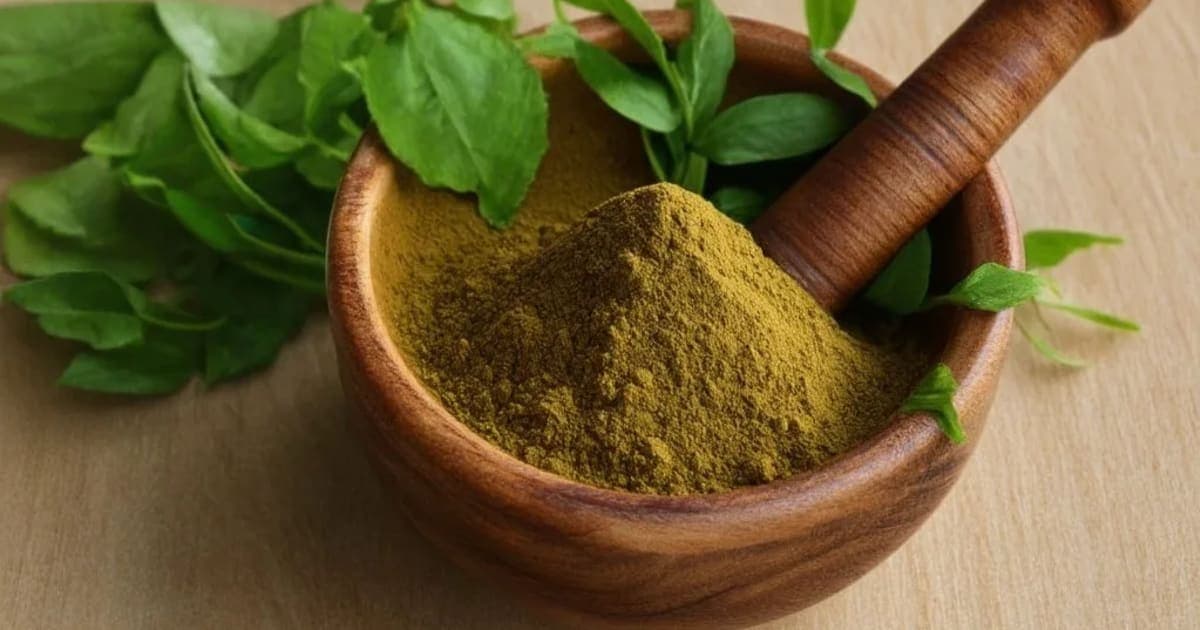
Shalparni is a premier rejuvenating herb in Ayurveda, best known as a key component of Dashamoola that deeply pacifies Vata dosha and restores physical strength. Unlike harsh stimulants, this root works by nourishing the tissues while cooling internal heat, making it a unique dual-action tonic. You will often find it growing wild in the plains of India, where its distinct purple flowers and fuzzy leaves signal its presence to trained herbalists.
Classical texts like the Charaka Samhita (Sutra Sthana) revere Shalparni not just for fixing specific ailments, but for building Ojas, the subtle energy of immunity and vitality. A quotable fact from tradition is that Shalparni is one of the ten roots in Dashamoola specifically chosen because it balances Vata without aggravating Pitta, a rare feat for such a potent herb. While modern supplements often isolate compounds, traditional use favors the whole root decoction or milk preparation to preserve its full spectrum of benefits.
What are the Ayurvedic properties of Shalparni?
The Ayurvedic classification of Shalparni reveals why it acts as both a nourisher and a detoxifier through its specific taste and potency profile. Its sweet and bitter tastes combine to build muscle tissue while simultaneously clearing toxins from the blood channels. This specific combination allows it to strengthen the body without creating the stagnation often associated with heavy tonics.
| Property (Sanskrit) | Value | What it means for your body |
|---|---|---|
| Rasa (Taste) | Madhura (Sweet), Tikta (Bitter) | Sweet builds tissue and calms the mind; Bitter detoxifies blood and reduces inflammation. |
| Guna (Quality) | Guru (Heavy), Snigdha (Oily) | Provides deep grounding and lubrication to dry, cracked tissues typical of Vata imbalance. |
| Virya (Potency) | Sheeta (Cooling) | Soothes burning sensations, reduces fever, and calms an agitated nervous system. |
| Vipaka (Post-digestive) | Madhura (Sweet) | Leaves a nourishing, building effect on the body long after digestion is complete. |
When you taste Shalparni, the initial bitterness might surprise you, but the lingering sweet aftertaste is what delivers its long-term strengthening effect. This post-digestive sweetness is why grandmothers often insist on boiling the root in milk rather than water; the fat in the milk carries the oily Guna deeper into the joints and nerves where Vata resides.
Which dosha does Shalparni balance?
Shalparni primarily pacifies Vata dosha, making it the go-to remedy for conditions involving dryness, movement disorders, or nervous exhaustion. It effectively grounds the erratic energy of Vata, bringing stability to the mind and flexibility to stiff joints. However, because it is heavy and cooling, those with high Kapha or active Pitta should use it with specific guidance to avoid sluggishness.
If your constitution is naturally heavy or you are dealing with congestion, cold, or flu-like symptoms, Shalparni might slow your metabolism further if taken indiscriminately. Conversely, for someone burning out from stress, running on empty, or suffering from chronic insomnia, this herb acts like a heavy blanket that finally lets the nervous system rest. The key is matching the herb's heavy, cooling nature to your current state of imbalance.
How do you know if you need Shalparni?
You likely need Shalparni if you experience classic Vata symptoms like anxiety, racing thoughts, dry skin, constipation, or joint pain that worsens in cold weather. These signs indicate that the air and ether elements are too high in your system, requiring the grounding, oily qualities this root provides. It is also indicated for post-partum recovery or after a long illness when the body feels depleted and fragile.
Practical usage often involves simmering the dried root in milk with a pinch of cardamom to offset the earthy flavor. Many people notice a difference in their sleep quality and joint flexibility within a few weeks of consistent use. If you feel "wired but tired," Shalparni offers the specific type of calm that doesn't induce grogginess but rather restores genuine energy.
Frequently Asked Questions
What is Shalparni root used for?
Shalparni root is primarily used to treat Vata disorders like arthritis, sciatica, and chronic fatigue by strengthening muscles and calming the nervous system. It is a core ingredient in Dashamoola, used to boost immunity and recover strength after illness.
Can I take Shalparni daily?
Yes, Shalparni is safe for daily use when taken in moderate doses, especially as a milk decoction for Vata types. However, people with high Kapha should limit use or combine it with warming spices like ginger to prevent heaviness.
Does Shalparni help with sleep?
Yes, because Shalparni pacifies Vata dosha, it effectively treats insomnia caused by an overactive mind or physical restlessness. Its heavy and cooling properties promote deep, restorative sleep without the grogginess of sedatives.
Who should avoid Shalparni?
Individuals with severe congestion, active colds, or extremely low digestion (Agni) should avoid high doses as its heavy quality can worsen these conditions. Pregnant women should only use it under the direct supervision of an Ayurvedic practitioner.
Frequently Asked Questions
What is Shalparni used for in Ayurveda?
Shalparni is primarily used as a rasayana and Vatanulomana in Ayurvedic medicine. Part of Dashamoola, balances Vata, relieves fatigue and strengthens body. It pacifies Vata dosha.
How should I take Shalparni?
Shalparni can be taken as powder (1/2-1 tsp with warm water or milk), decoction (boil 1 tsp in water), or tablets (1-2 daily). Always start with a low dose and consult an Ayurvedic practitioner for personalized guidance.
Is Shalparni safe during pregnancy?
Pregnant and nursing women should not take Shalparni without consulting their doctor first. Most Ayurvedic herbs require medical supervision during pregnancy.
Which dosha does Shalparni balance?
Shalparni pacifies Vata. Excessive use may increase Kapha, Pitta dosha.
Can I take Shalparni daily?
Shalparni can be taken daily in recommended doses for 4-8 weeks. After that, take a 2-week break before resuming. Long-term use should be supervised by a qualified Ayurvedic practitioner.
What are the side effects of Shalparni?
When taken in recommended doses, Shalparni is generally safe. Excessive use may aggravate Kapha, Pitta dosha, causing acidity or skin issues. Stop use if you experience any adverse reaction.
Related Articles
The Timeless Benefits of Triphala: An Ayurvedic Powerhouse
Discover the transformative benefits of Triphala, an ancient Ayurvedic blend of three fruits that supports digestion, immunity, weight management, and overall vitality.
5 min read
The Divine Benefits of Tulsi (Holy Basil) in Ayurveda
Discover the sacred benefits of Tulsi (Holy Basil) in Ayurveda. From boosting immunity and reducing stress to supporting heart health and digestion, learn how this divine herb can transform your well-being.
4 min read
The Remarkable Benefits of Giloy: An Ayurvedic Powerhouse
Discover the profound health benefits of Giloy, the Ayurvedic 'root of immortality.' Learn how this powerful herb boosts immunity, manages diabetes, improves digestion, and supports skin, hair, and bone health.
5 min read
The Remarkable Benefits of Ashwagandha: An Ayurvedic Perspective
Discover the ancient wisdom of Ashwagandha, a powerful Ayurvedic adaptogen known for reducing stress, boosting immunity, improving sleep, and enhancing physical strength.
4 min read
Brihatyadi Kashayam: Natural Relief for Urinary Tract Disorders and Cystitis
Brihatyadi Kashayam is a cooling Ayurvedic decoction that targets urinary burning and cystitis by balancing Vata and Pitta. Unlike standard teas, this concentrated liquid extract is specifically designed to reduce inflammation in the bladder lining while flushing out toxins.
5 min read
Asphota: Ayurvedic Brain Tonic, Calming Herb & Blood Purifier
Often overlooked, Asphota is a cooling, bitter herb that acts as a gentle brain tonic and blood purifier. While it shares traits with the popular Aparajita, its unique astringent quality makes it particularly effective for stopping bleeding and soothing inflamed tissues.
6 min read
References & Sources
This article is based on principles from classical Ayurvedic texts including Charaka Samhita, Sushruta Samhita, and Ashtanga Hridaya. Content has been reviewed for accuracy by our editorial team. For specific medical conditions, always consult a qualified Ayurvedic practitioner or healthcare provider.
- • Charaka Samhita (चरक संहिता)
- • Sushruta Samhita (सुश्रुत संहिता)
- • Ashtanga Hridaya (अष्टांग हृदय)
Found an error in this article? Let us know