
Sarpagandha: Natural Blood Pressure Relief & Anxiety Calming
Expert Reviewed
Reviewed by AyurvedicUpchar Editorial Team
What is Sarpagandha?
Sarpagandha is a potent Ayurvedic herb primarily used to lower high blood pressure and calm severe anxiety by grounding erratic nervous energy. Known scientifically as Rauvolfia serpentina and commonly as Indian Snakeroot, this creeping vine gets its name from the Sanskrit words for "snake" and "mountain," reflecting both its habitat and its traditional use in neutralizing snake venom.
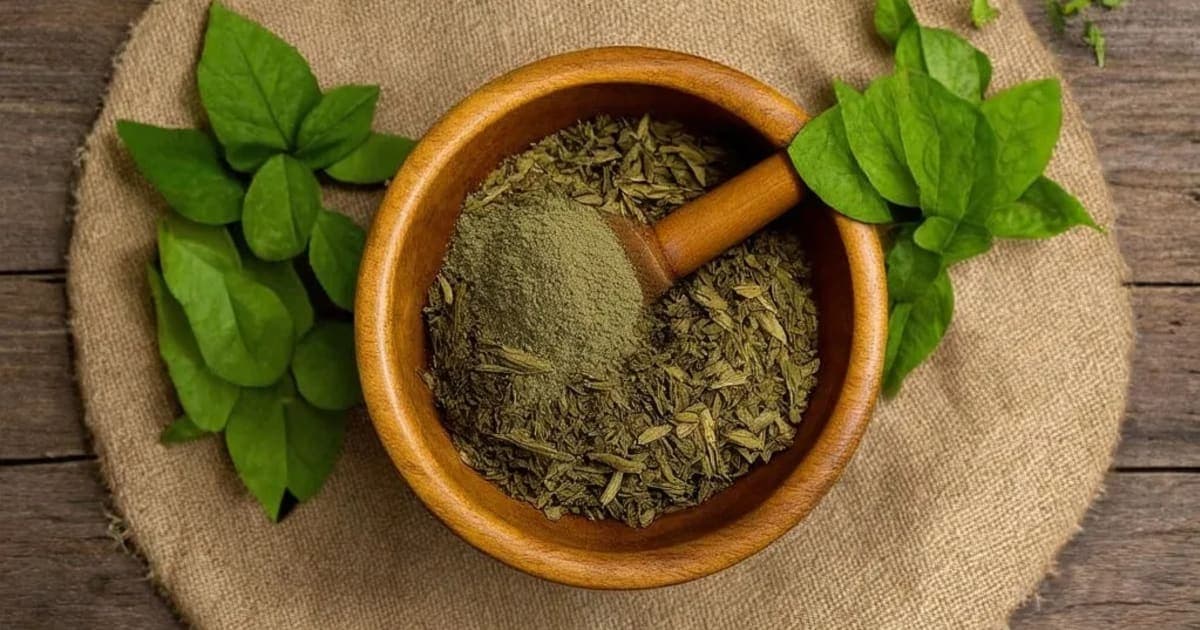
Unlike many gentle tonics, Sarpagandha acts quickly on the central nervous system. The Charaka Samhita, a foundational Ayurvedic text, classifies it as a crucial Dravya (medicinal substance) for conditions where Vata dosha has become dangerously unmoored, manifesting as hypertension or insomnia. You will often find the dried root powder mixed into warm milk or ghee, taken just before bed to induce deep, dreamless sleep. The root itself is distinct: thick, woody, and bearing a bitter, earthy taste that lingers, signaling its strong detoxifying potential.
What are the Ayurvedic properties of Sarpagandha?
Sarpagandha is defined by its bitter taste, heating potency, and dry quality, which together allow it to penetrate deep into tissues to clear blockages and calm the mind. In Ayurvedic pharmacology, these specific traits determine why it works so well for blood pressure but requires caution for those with sensitive digestion.
Here is how the classical properties of Sarpagandha translate to physical effects:
| Property (Sanskrit) | Value | What it means for your body |
|---|---|---|
| Rasa (Taste) | Tikta (Bitter) | Cools the blood, clears toxins, and reduces mental agitation. |
| Guna (Quality) | Ruksha (Dry) | Absorbs excess moisture and oil, helping reduce edema and congestion. |
| Virya (Potency) | Ushna (Heating) | Stimulates circulation and metabolic fire, though it can aggravate heat if overused. |
| Vipaka (Post-digestive) | Katu (Pungent) | Creates a lingering clearing effect that breaks down stubborn tissue blockages. |
This combination makes Sarpagandha unique: while its bitter taste cools the mind, its heating potency ensures it doesn't stagnate the body's flow. A quotable fact from classical literature notes that Sarpagandha is one of the few herbs described as having the power to "bind" the wandering mind, much like a snake charmer controls a cobra.
Which doshas does Sarpagandha balance?
Sarpagandha primarily pacifies Vata and Kapha doshas, making it ideal for individuals suffering from high anxiety, hypertension, or respiratory congestion. Its dry and heating nature dries up excess mucus (Kapha) while its heavy, grounding quality settles the erratic, mobile energy of Vata.
However, this herb demands respect regarding Pitta dosha. Because Sarpagandha has a heating potency (Ushna Virya), taking it in high doses or for long periods can ignite Pitta, leading to acidity, skin rashes, or irritability. If you have a naturally hot constitution or are prone to inflammation, you must use this herb under strict guidance, often combining it with cooling carriers like ghee or milk to buffer its heat.
Signs you might need Sarpagandha
You may benefit from Sarpagandha if you experience chronic insomnia where your mind races even when your body is tired, or if you have high blood pressure accompanied by a feeling of internal trembling. Other indicators include chronic constipation with dry stools, joint stiffness that worsens in cold weather, or a persistent sense of fear and ungroundedness. These are classic signs that Vata dosha has accumulated to a point where gentle lifestyle changes are not enough.
What are the primary health benefits of Sarpagandha?
The most documented benefit of Sarpagandha is its ability to lower blood pressure and induce sleep without the heavy grogginess of synthetic sedatives. Modern research confirms that the root contains alkaloids like reserpine, which directly affect the central nervous system to slow the heart rate and relax blood vessels.
Beyond hypertension, traditional practitioners use Sarpagandha for severe mental agitation. When the mind feels like a storm that won't stop, small doses of the root powder in warm milk can act as a profound anchor. It is also used externally; a paste of the fresh root applied to insect bites or snake bites (hence the name) draws out venom and reduces local swelling rapidly. However, because it is so effective at lowering blood pressure, it is not a herb for casual, daily prevention but rather a targeted tool for specific imbalances.
Frequently Asked Questions
Is Sarpagandha safe for long-term use?
No, Sarpagandha is generally not recommended for indefinite daily use without medical supervision. Prolonged use can lead to depression, excessive drowsiness, or nasal congestion due to its strong impact on the nervous system.
How is Sarpagandha typically taken?
It is most commonly taken as a fine powder (churna) mixed with warm milk or ghee, usually at bedtime. The typical dose ranges from 125mg to 250mg, strictly adhering to a practitioner's advice.
Can Sarpagandha cure anxiety permanently?
While Sarpagandha effectively manages symptoms of anxiety and insomnia, Ayurveda views it as a stabilizing tool rather than a permanent cure. Long-term healing usually requires dietary changes and lifestyle adjustments to address the root cause of the Vata imbalance.
Who should avoid taking Sarpagandha?
Pregnant women, individuals with clinical depression, peptic ulcers, or low blood pressure should avoid this herb. Its strong heating and drying properties can aggravate these conditions significantly.
Frequently Asked Questions
What is Sarpagandha used for in Ayurveda?
Sarpagandha is primarily used as a Nidrajanana and Raktachapashamaka in Ayurvedic medicine. Indian snakeroot is a powerful herb for managing high blood pressure and calming anxiety, but should be used with caution. It pacifies Vata, Kapha dosha.
How should I take Sarpagandha?
Sarpagandha can be taken as powder (1/2-1 tsp with warm water or milk), decoction (boil 1 tsp in water), or tablets (1-2 daily). Always start with a low dose and consult an Ayurvedic practitioner for personalized guidance.
Is Sarpagandha safe during pregnancy?
Pregnant and nursing women should not take Sarpagandha without consulting their doctor first. Most Ayurvedic herbs require medical supervision during pregnancy.
Which dosha does Sarpagandha balance?
Sarpagandha pacifies Vata, Kapha. Excessive use may increase Pitta dosha.
Can I take Sarpagandha daily?
Sarpagandha can be taken daily in recommended doses for 4-8 weeks. After that, take a 2-week break before resuming. Long-term use should be supervised by a qualified Ayurvedic practitioner.
What are the side effects of Sarpagandha?
When taken in recommended doses, Sarpagandha is generally safe. Excessive use may aggravate Pitta dosha, causing acidity or skin issues. Stop use if you experience any adverse reaction.
Related Articles
The Timeless Benefits of Triphala: An Ayurvedic Powerhouse
Discover the transformative benefits of Triphala, an ancient Ayurvedic blend of three fruits that supports digestion, immunity, weight management, and overall vitality.
5 min read
The Divine Benefits of Tulsi (Holy Basil) in Ayurveda
Discover the sacred benefits of Tulsi (Holy Basil) in Ayurveda. From boosting immunity and reducing stress to supporting heart health and digestion, learn how this divine herb can transform your well-being.
4 min read
The Remarkable Benefits of Giloy: An Ayurvedic Powerhouse
Discover the profound health benefits of Giloy, the Ayurvedic 'root of immortality.' Learn how this powerful herb boosts immunity, manages diabetes, improves digestion, and supports skin, hair, and bone health.
5 min read
The Remarkable Benefits of Ashwagandha: An Ayurvedic Perspective
Discover the ancient wisdom of Ashwagandha, a powerful Ayurvedic adaptogen known for reducing stress, boosting immunity, improving sleep, and enhancing physical strength.
4 min read
Brihatyadi Kashayam: Natural Relief for Urinary Tract Disorders and Cystitis
Brihatyadi Kashayam is a cooling Ayurvedic decoction that targets urinary burning and cystitis by balancing Vata and Pitta. Unlike standard teas, this concentrated liquid extract is specifically designed to reduce inflammation in the bladder lining while flushing out toxins.
5 min read
Asphota: Ayurvedic Brain Tonic, Calming Herb & Blood Purifier
Often overlooked, Asphota is a cooling, bitter herb that acts as a gentle brain tonic and blood purifier. While it shares traits with the popular Aparajita, its unique astringent quality makes it particularly effective for stopping bleeding and soothing inflamed tissues.
6 min read
References & Sources
This article is based on principles from classical Ayurvedic texts including Charaka Samhita, Sushruta Samhita, and Ashtanga Hridaya. Content has been reviewed for accuracy by our editorial team. For specific medical conditions, always consult a qualified Ayurvedic practitioner or healthcare provider.
- • Charaka Samhita (चरक संहिता)
- • Sushruta Samhita (सुश्रुत संहिता)
- • Ashtanga Hridaya (अष्टांग हृदय)
Found an error in this article? Let us know