
Sarja Resin: Wound Healing, Skin Benefits & Ayurvedic Properties
Expert Reviewed
Reviewed by AyurvedicUpchar Editorial Team
What is Sarja resin and how is it used?
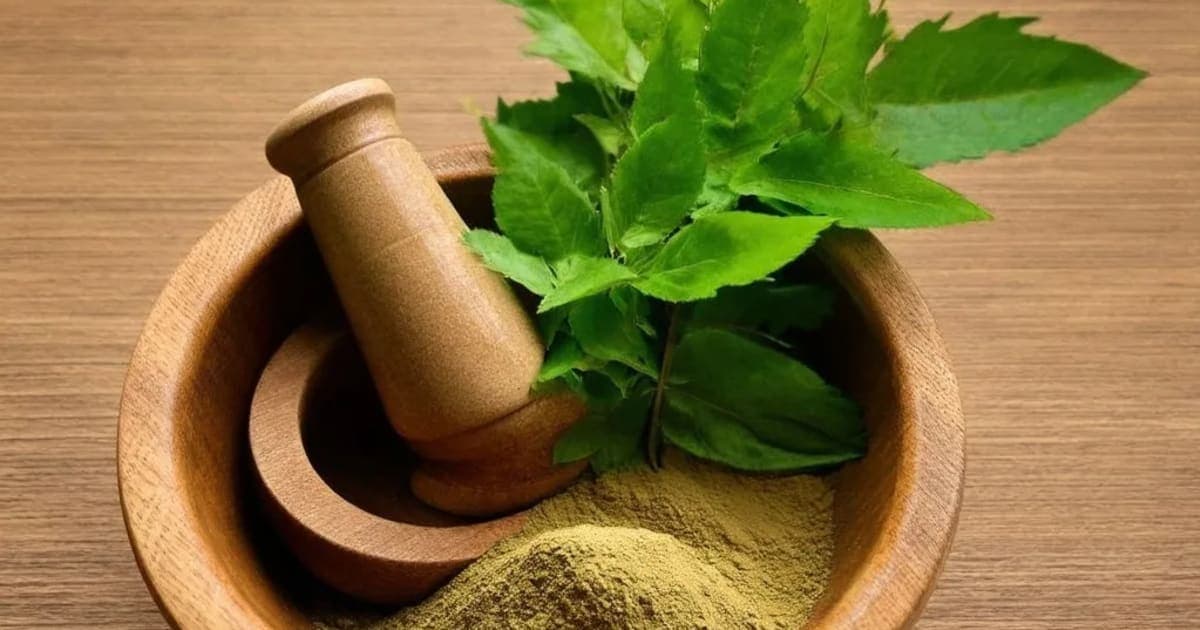
Sarja is the aromatic resin extracted from the Vateria indica tree, prized in Ayurveda as a potent antiseptic and wound-healing agent. Unlike many herbs taken internally as teas, you will most often encounter Sarja as a golden-brown solid that melts into a sticky, fragrant paste when warmed. Classical texts like the Charaka Samhita (Sutra Sthana) classify it as a cooling substance essential for stopping bleeding and drying up weeping wounds. When you open a jar of high-quality Sarja, the scent is distinctively earthy and balsamic, reminiscent of ancient temple incense, hinting at its deep cleansing properties.
Historically, village healers would chew a small piece of fresh Sarja resin to soothe a sore throat or apply the warm, melted resin directly to cuts to seal them against infection. This direct application works because the resin is naturally astringent and bitter, creating an immediate barrier that halts bleeding and cools inflamed tissue. While modern medicine often isolates specific compounds, traditional practice uses the whole resin to leverage its full spectrum of healing power.
What are the Ayurvedic properties of Sarja?
In Ayurvedic pharmacology, Sarja is defined by its cooling potency and ability to dry excess moisture, making it a specific remedy for hot, wet conditions like infected wounds or acidic skin disorders. Its action is driven by a unique combination of tastes: astringent to tighten tissues and bitter to purify the blood. These qualities allow it to penetrate deep into damaged skin without aggravating heat in the body.
The following table details the five fundamental properties (Pancha Mahabhuta) that dictate how Sarja interacts with your physiology:
| Property (Sanskrit) | Value | Practical Effect on the Body |
|---|---|---|
| Rasa (Taste) | Kashaya (Astringent), Tikta (Bitter) | Dries weeping wounds, stops bleeding, and detoxifies blood by reducing heat. |
| Guna (Quality) | Laghu (Light), Snigdha (Unctuous) | Penetrates deep into tissues while the oily nature prevents excessive dryness. |
| Virya (Potency) | Sheeta (Cooling) | Immediately soothes burning sensations, inflammation, and skin rashes. |
| Vipaka (Post-digestive) | Katu (Pungent) | Helps scrape away toxins (Ama) from the system after metabolism. |
Which doshas does Sarja balance?
Sarja primarily pacifies Pitta and Kapha doshas, making it an ideal choice for conditions involving heat, inflammation, or excess mucus. Because it is cooling and drying, it effectively counteracts the burning sensation of high Pitta and the heaviness of stagnant Kapha. However, this same drying quality means it must be used with caution by those with a dominant Vata constitution.
If you have a Vata imbalance, characterized by dry skin, anxiety, or irregular digestion, using too much Sarja can increase dryness and cause stiffness. A practical tip from grandmothers in Kerala is to always mix Sarja powder with a little ghee or sesame oil if applying it to dry, Vata-type skin; this buffers the drying effect while retaining the healing benefits. For Pitta types suffering from angry red acne or sunburn, pure Sarja paste applied cool feels instantly relieving.
Signs you might benefit from Sarja
You are likely a good candidate for Sarja if you struggle with slow-healing cuts, frequent nosebleeds, or skin issues that worsen in the summer heat. Look for symptoms like a burning sensation in the stomach, excessive thirst, or skin that feels hot to the touch. These are classic signs that your internal fire (Pitta) is out of control, and the cooling nature of Sarja can help restore balance.
What are the primary health benefits of Sarja?
The most celebrated benefit of Sarja is its ability to rapidly heal wounds and stop bleeding, a property known in Ayurveda as Ropana (healing) and Stambhana (arresting). When applied topically, the resin forms a protective layer over broken skin, preventing bacterial entry while its cooling energy reduces swelling and pain. This makes it a staple in household first-aid kits across South India for treating minor burns, cuts, and ulcerated skin.
Beyond skin care, Sarja is highly effective for oral health. Chewing a small piece of the resin or using it in a mouthwash can tighten loose gums and heal mouth ulcers thanks to its strong astringent taste. It acts much like a natural styptic pencil, constricting blood vessels to stop minor bleeding in the mouth or gums. For internal use, it is sometimes prescribed in minute quantities to treat dysentery or diarrhea, where its drying action helps solidify loose stools.
Frequently Asked Questions
Is Sarja resin safe to eat?
Sarja is generally safe for internal use only when prescribed by an Ayurvedic practitioner in very specific, small doses, often mixed with ghee or honey. Self-medicating with raw resin internally can be harsh on the digestion and may aggravate Vata, so it is best reserved for topical applications like wound pastes or mouth rinses unless guided otherwise.
Can Sarja help with acne and skin rashes?
Yes, Sarja is excellent for acne and rashes caused by excess Pitta (heat) because it cools the skin and dries up pus-filled lesions without leaving a scar. Its astringent nature tightens the pores and reduces the redness associated with inflammatory skin conditions.
How is Sarja different from regular turmeric for wounds?
While turmeric is a broad-spectrum antiseptic that generates some heat, Sarja is specifically cooling and more effective at stopping active bleeding and drying weeping wounds. Turmeric is better for preventing infection in fresh cuts, whereas Sarja is superior for healing chronic ulcers or wounds that refuse to close.
Frequently Asked Questions
What is Sarja used for in Ayurveda?
Sarja is primarily used as a Vranaropana and Vishaghna in Ayurvedic medicine. The resin of Vateria indica is used as an antiseptic, anti-inflammatory and for wound healing. It pacifies Pitta, Kapha dosha.
How should I take Sarja?
Sarja can be taken as powder (1/2-1 tsp with warm water or milk), decoction (boil 1 tsp in water), or tablets (1-2 daily). Always start with a low dose and consult an Ayurvedic practitioner for personalized guidance.
Is Sarja safe during pregnancy?
Pregnant and nursing women should not take Sarja without consulting their doctor first. Most Ayurvedic herbs require medical supervision during pregnancy.
Which dosha does Sarja balance?
Sarja pacifies Pitta, Kapha. Excessive use may increase Vata dosha.
Can I take Sarja daily?
Sarja can be taken daily in recommended doses for 4-8 weeks. After that, take a 2-week break before resuming. Long-term use should be supervised by a qualified Ayurvedic practitioner.
What are the side effects of Sarja?
When taken in recommended doses, Sarja is generally safe. Excessive use may aggravate Vata dosha, causing gas or bloating. Stop use if you experience any adverse reaction.
Related Articles
The Timeless Benefits of Triphala: An Ayurvedic Powerhouse
Discover the transformative benefits of Triphala, an ancient Ayurvedic blend of three fruits that supports digestion, immunity, weight management, and overall vitality.
5 min read
The Divine Benefits of Tulsi (Holy Basil) in Ayurveda
Discover the sacred benefits of Tulsi (Holy Basil) in Ayurveda. From boosting immunity and reducing stress to supporting heart health and digestion, learn how this divine herb can transform your well-being.
4 min read
The Remarkable Benefits of Giloy: An Ayurvedic Powerhouse
Discover the profound health benefits of Giloy, the Ayurvedic 'root of immortality.' Learn how this powerful herb boosts immunity, manages diabetes, improves digestion, and supports skin, hair, and bone health.
5 min read
The Remarkable Benefits of Ashwagandha: An Ayurvedic Perspective
Discover the ancient wisdom of Ashwagandha, a powerful Ayurvedic adaptogen known for reducing stress, boosting immunity, improving sleep, and enhancing physical strength.
4 min read
Brihatyadi Kashayam: Natural Relief for Urinary Tract Disorders and Cystitis
Brihatyadi Kashayam is a cooling Ayurvedic decoction that targets urinary burning and cystitis by balancing Vata and Pitta. Unlike standard teas, this concentrated liquid extract is specifically designed to reduce inflammation in the bladder lining while flushing out toxins.
5 min read
Asphota: Ayurvedic Brain Tonic, Calming Herb & Blood Purifier
Often overlooked, Asphota is a cooling, bitter herb that acts as a gentle brain tonic and blood purifier. While it shares traits with the popular Aparajita, its unique astringent quality makes it particularly effective for stopping bleeding and soothing inflamed tissues.
6 min read
References & Sources
This article is based on principles from classical Ayurvedic texts including Charaka Samhita, Sushruta Samhita, and Ashtanga Hridaya. Content has been reviewed for accuracy by our editorial team. For specific medical conditions, always consult a qualified Ayurvedic practitioner or healthcare provider.
- • Charaka Samhita (चरक संहिता)
- • Sushruta Samhita (सुश्रुत संहिता)
- • Ashtanga Hridaya (अष्टांग हृदय)
Found an error in this article? Let us know