
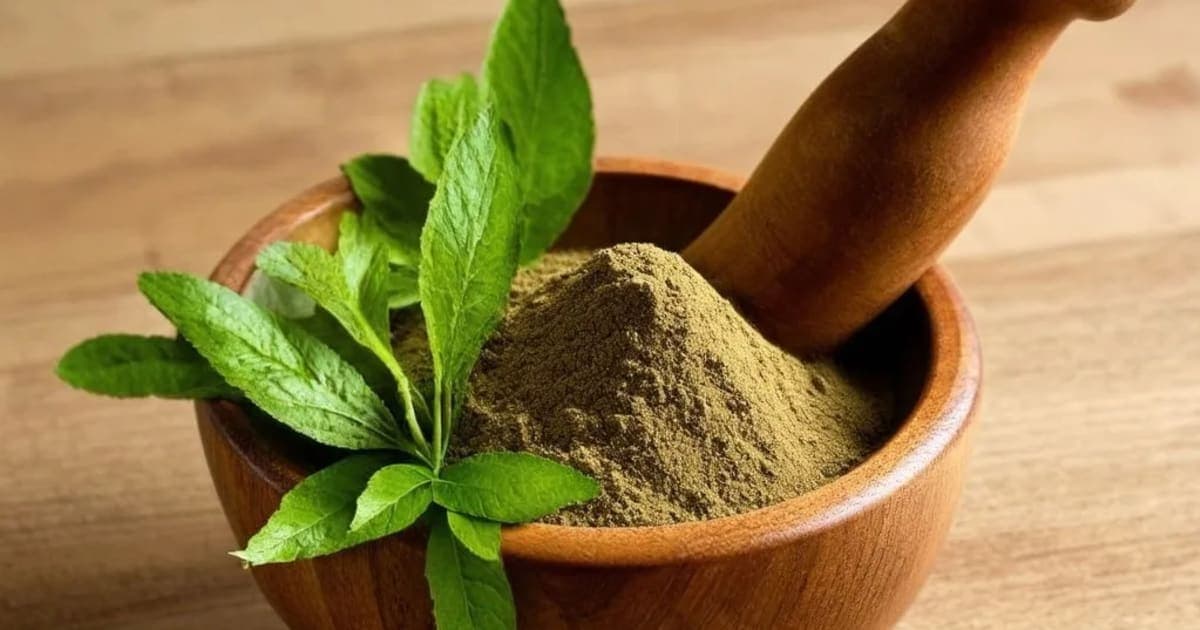
Saptala (Shikakai): Ancient Ayurvedic Hair Care & Skin Detox Benefits
Expert Reviewed
Reviewed by AyurvedicUpchar Editorial Team
What is Saptala and why is it called 'Fruit for Hair'?
Saptala, commonly known as Shikakai, is a climbing shrub with long, pod-like fruits that have served as a natural hair cleanser in India for centuries. Unlike modern shampoos that strip the scalp, the dried pods of Saptala are soaked overnight or boiled to create a mild, frothy lather that cleanses without removing natural oils. This gentle action makes it a staple in traditional households for preventing dandruff and promoting thick, dark hair growth.
In classical Ayurveda, Saptala is not merely a cosmetic aid but a therapeutic substance described in the Bhavaprakash Nighantu as a potent blood purifier. The plant possesses a unique combination of Bitter (Tikta) and Astringent (Kashaya) tastes, paired with a cooling energy that soothes scalp inflammation and reduces excess body heat. When you crush a dried pod, it releases a faint, earthy aroma that smells like fresh leaves and wet soil, a sensory cue that signals its natural, unrefined potency.
Quotable Fact: "Saptala is a cooling, bitter-tasting Ayurvedic herb specifically used to pacify Pitta and Kapha doshas while acting as a gentle, non-irritating cleanser for the scalp and skin."
How do the Ayurvedic properties of Saptala work?
Every herb in Ayurveda interacts with the body based on five fundamental properties, and Saptala's profile explains why it is so effective for oily scalps and hot skin conditions. These characteristics determine how the herb moves through your system, how it is absorbed, and what long-term effects it has on your tissues.
| Property (Sanskrit) | Value | What it means for your body |
|---|---|---|
| Rasa (Taste) | Tikta, Kashaya | Bitter taste detoxifies blood and reduces inflammation; Astringent taste dries excess moisture and heals minor cuts. |
| Guna (Quality) | Laghu, Ruksha | Light and Dry qualities allow it to penetrate pores easily and absorb excess oil without clogging. |
| Virya (Potency) | Sheeta | Cooling energy immediately calms burning sensations, itching, and heat-related rashes. |
| Vipaka (Post-digestive) | Katu | Pungent transformation aids in metabolism and helps clear toxins from deeper tissues after digestion. |
| Dosha Effect | Shamaka (Kapha, Pitta) | Primarily balances Kapha (oiliness) and Pitta (heat); Vata may increase if used in excess. |
Which doshas does Saptala balance and who should avoid it?
Saptala primarily pacifies Kapha and Pitta doshas, making it the ideal remedy for individuals suffering from oily skin, acne, seborrheic dermatitis, or a hot, irritated scalp. Its cooling nature directly counteracts the burning sensation of Pitta imbalances, while its drying quality helps reduce the heavy, sticky accumulation of Kapha. However, because it is naturally drying and light, people with a dominant Vata constitution must use it with caution.
If you already struggle with dry, brittle hair, cracked skin, or anxiety, excessive use of Saptala can aggravate Vata, leading to increased dryness or frizz. A practical tip from experienced practitioners is to always mix Saptala powder with a hydrating agent like yogurt, aloe vera, or a few drops of sesame oil if you have a Vata tendency. This balances the drying effect while still allowing you to benefit from its cleansing properties.
How do people traditionally use Saptala at home?
The most common and effective way to use Saptala is by preparing a decoction from its dried pods. You simply take a handful of pods, crush them roughly, and boil them in water until the liquid turns a light brown and develops a natural foam. After straining, this liquid is used as a final rinse or a gentle shampoo, leaving hair soft and manageable without chemical residue. Another traditional method involves soaking the pods overnight in water; the next morning, the softened pods are mashed by hand to release their saponins, creating a ready-to-use paste.
For skin issues, the same decoction is applied as a cool wash to soothe heat rashes or insect bites. The bitterness of the herb is not just a flavor profile; it acts as a natural astringent that tightens pores and reduces redness immediately upon contact. In rural villages, children are often given a small piece of the tender pod to chew for oral hygiene, as the astringent taste helps clean teeth and freshen breath naturally.
What are the specific benefits of Saptala for hair and skin?
Saptala offers distinct therapeutic benefits that go beyond simple cleaning, primarily by addressing the root causes of scalp and skin disorders. Its astringent nature helps stop minor bleeding from scratches and tightens loose skin, while its cooling potency provides immediate relief from the burning sensation associated with sunburn or inflammatory acne. The herb's ability to purify the blood, as noted in Ayurvedic texts, often results in clearer skin and reduced incidence of recurring boils or rashes.
For hair, Saptala strengthens the roots and prevents premature graying by nourishing the follicles with essential nutrients without stripping natural sebum. Unlike harsh surfactants found in commercial products, it maintains the scalp's natural pH balance, which is crucial for preventing fungal infections like dandruff. Regular use leads to hair that is not only clean but also resilient, shiny, and less prone to breakage.
FAQs: Common Questions About Saptala
Can Saptala be used on colored or chemically treated hair?
Yes, Saptala is generally safe for colored hair as it is pH-balanced and non-stripping, but it may slightly fade vibrant red tones over time due to its natural astringent properties. It is best to patch test first and follow up with a light oil treatment to maintain color vibrancy.
Does Saptala cause hair fall or dryness?
Saptala does not cause hair fall when used correctly; however, using it without a moisturizing base can lead to dryness in Vata constitutions. Mixing it with coconut milk or aloe vera gel prevents dryness and ensures the hair remains soft and hydrated.
How is Saptala different from regular shampoo?
Unlike synthetic shampoos that use sulfates to create foam, Saptala contains natural saponins that clean gently without disrupting the scalp's microbiome. It removes dirt and excess oil while preserving the natural oils that keep hair healthy and shiny.
Is Saptala safe for daily use?
While Saptala is mild, daily use is not recommended for everyone as it can lead to dryness over time. Using it 2-3 times a week is usually sufficient to maintain clean hair and balanced scalp health without aggravating Vata.
Where can I find authentic Saptala pods?
Authentic, sun-dried Saptala pods are widely available in Indian grocery stores, Ayurvedic pharmacies, and online herbal markets. Look for pods that are brown, slightly brittle, and free from mold or excessive dust for the best therapeutic results.
Frequently Asked Questions
What is Saptala used for in Ayurveda?
Saptala is primarily used as a Hair Nourisher and Skin Healer in Ayurvedic medicine. Acacia concinna (Shikakai) is a famous natural cleanser for hair, promoting growth and preventing dandruff. It pacifies Kapha, Pitta dosha.
How should I take Saptala?
Saptala can be taken as powder (1/2-1 tsp with warm water or milk), decoction (boil 1 tsp in water), or tablets (1-2 daily). Always start with a low dose and consult an Ayurvedic practitioner for personalized guidance.
Is Saptala safe during pregnancy?
Pregnant and nursing women should not take Saptala without consulting their doctor first. Most Ayurvedic herbs require medical supervision during pregnancy.
Which dosha does Saptala balance?
Saptala pacifies Kapha, Pitta. Excessive use may increase Vata dosha.
Can I take Saptala daily?
Saptala can be taken daily in recommended doses for 4-8 weeks. After that, take a 2-week break before resuming. Long-term use should be supervised by a qualified Ayurvedic practitioner.
What are the side effects of Saptala?
When taken in recommended doses, Saptala is generally safe. Excessive use may aggravate Vata dosha, causing gas or bloating. Stop use if you experience any adverse reaction.
Related Articles
The Timeless Benefits of Triphala: An Ayurvedic Powerhouse
Discover the transformative benefits of Triphala, an ancient Ayurvedic blend of three fruits that supports digestion, immunity, weight management, and overall vitality.
5 min read
The Divine Benefits of Tulsi (Holy Basil) in Ayurveda
Discover the sacred benefits of Tulsi (Holy Basil) in Ayurveda. From boosting immunity and reducing stress to supporting heart health and digestion, learn how this divine herb can transform your well-being.
4 min read
The Remarkable Benefits of Giloy: An Ayurvedic Powerhouse
Discover the profound health benefits of Giloy, the Ayurvedic 'root of immortality.' Learn how this powerful herb boosts immunity, manages diabetes, improves digestion, and supports skin, hair, and bone health.
5 min read
The Remarkable Benefits of Ashwagandha: An Ayurvedic Perspective
Discover the ancient wisdom of Ashwagandha, a powerful Ayurvedic adaptogen known for reducing stress, boosting immunity, improving sleep, and enhancing physical strength.
4 min read
Brihatyadi Kashayam: Natural Relief for Urinary Tract Disorders and Cystitis
Brihatyadi Kashayam is a cooling Ayurvedic decoction that targets urinary burning and cystitis by balancing Vata and Pitta. Unlike standard teas, this concentrated liquid extract is specifically designed to reduce inflammation in the bladder lining while flushing out toxins.
5 min read
Asphota: Ayurvedic Brain Tonic, Calming Herb & Blood Purifier
Often overlooked, Asphota is a cooling, bitter herb that acts as a gentle brain tonic and blood purifier. While it shares traits with the popular Aparajita, its unique astringent quality makes it particularly effective for stopping bleeding and soothing inflamed tissues.
6 min read
References & Sources
This article is based on principles from classical Ayurvedic texts including Charaka Samhita, Sushruta Samhita, and Ashtanga Hridaya. Content has been reviewed for accuracy by our editorial team. For specific medical conditions, always consult a qualified Ayurvedic practitioner or healthcare provider.
- • Charaka Samhita (चरक संहिता)
- • Sushruta Samhita (सुश्रुत संहिता)
- • Ashtanga Hridaya (अष्टांग हृदय)
Found an error in this article? Let us know