
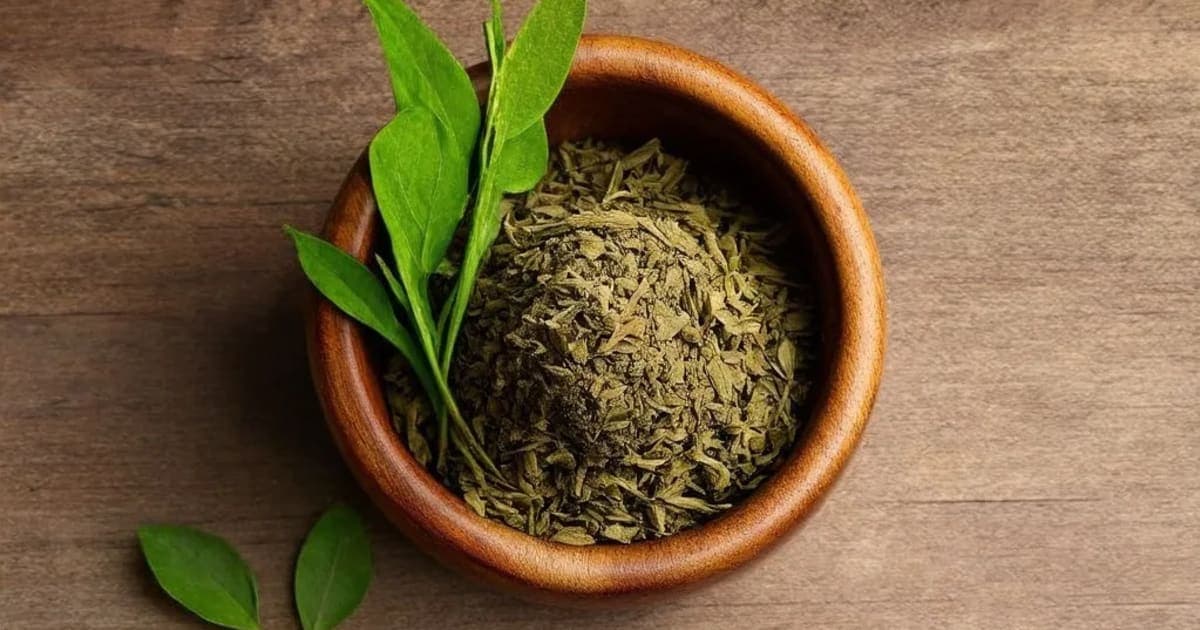
Samudra Phena: Ancient Remedy for Skin Healing and Ear Ailments
Expert Reviewed
Reviewed by AyurvedicUpchar Editorial Team
What is Samudra Phena and where does it come from?
Samudra Phena, literally translating to "sea foam," is the porous, lightweight bone of the cuttlefish, revered in Ayurveda as a natural styptic and skin healer. Unlike many herbs that grow on land, this unique Dravya is harvested from the ocean floor and processed into a fine, chalky white powder that feels cool to the touch. It is classified as a cooling (Sheeta Virya) substance with a predominantly astringent (Kashaya) taste, making it particularly effective for stopping bleeding, drying up excess moisture in tissues, and soothing inflamed skin. While modern science might simply call it cuttlefish bone, classical Ayurvedic texts like the Bhavaprakash Nighantu and Charaka Samhita have long documented its specific utility in treating eye irritations, ear discharge, and various dermatological conditions.
When you handle the powdered form of Samudra Phena, you notice its dry, light texture immediately. This physical quality is not accidental; it mirrors its therapeutic action. In Ayurvedic practice, the astringent taste does more than just dry out a wound; it tightens tissues, seals minor cuts, and reduces the swelling associated with Kapha-related congestion. A grandmother in coastal India might keep a small jar of this powder ready to sprinkle on a fresh scrape or mix with rose water to calm a puffy eye, relying on centuries of observation rather than just chemical analysis.
How do the Ayurvedic properties of Samudra Phena work?
The therapeutic power of Samudra Phena lies in its specific pharmacological profile, which dictates exactly how it moves through the body and interacts with your tissues. To understand why this ocean-derived substance works so well for skin and mucous membranes, we must look at its five fundamental properties defined in Dravyaguna Shastra.
Samudra Phena is defined as a cooling, astringent herb used in Ayurveda for drying excess moisture, stopping bleeding, and calming skin inflammation. Its unique combination of lightness and dryness allows it to penetrate superficial tissues quickly without adding heaviness, making it ideal for conditions where fluid retention or sluggishness is the primary issue.
| Property (Sanskrit) | Value | What it means for your body |
|---|---|---|
| Rasa (Taste) | Kashaya (Astringent) | Drying, healing, and effective at stopping bleeding by tightening tissues. |
| Guna (Physical quality) | Laghu, Ruksha | Light and Dry — ensures rapid absorption and helps clear excess fluid or mucus. |
| Virya (Potency) | Sheeta | Cooling — reduces inflammation, burns, and heat-related skin irritations. |
| Vipaka (Post-digestive effect) | Katu | Pungent — creates a warming metabolic effect after digestion, aiding in tissue cleansing. |
Which dosha does Samudra Phena balance?
Samudra Phena primarily pacifies Kapha dosha, making it a go-to remedy for conditions characterized by excess mucus, water retention, or heavy, oily skin. Because of its drying and light nature, it cuts through the stagnation that Kapha creates, helping to clear nasal passages and reduce swelling in the tissues. However, because it is drying and has a pungent post-digestive effect, it can aggravate Vata and Pitta if used in excess or by individuals who already suffer from dryness or high heat.
People with a Vata constitution, who naturally tend toward dry skin and constipation, should use this herb with caution. Similarly, those with high Pitta, experiencing burning sensations or inflammatory rashes, might find that the drying quality of Samudra Phena exacerbates their condition if not balanced with cooling oils or other herbs. The key is moderation and understanding your body's current state before applying a substance that is inherently drying.
How to know if you need Samudra Phena
You might consider Samudra Phena if you are dealing with symptoms of elevated Kapha, such as chronic nasal congestion, a heavy feeling in the limbs, excessive salivation, or skin conditions that are weeping or oozing fluid. It is also traditionally indicated for minor bleeding that needs to be stopped quickly, or for eye issues where the discharge is thick and white. If you feel constantly sluggish, gain weight easily, or struggle with water retention, this herb's light and drying nature can help bring your system back into balance.
What are the practical health benefits of Samudra Phena?
Samudra Phena offers specific therapeutic actions that target skin health, wound healing, and the management of fluid-related disorders. Its most celebrated benefit is its ability to act as a natural styptic, stopping bleeding from minor cuts and abrasions almost instantly when the powder is applied directly to the wound. Beyond first aid, it is highly valued for treating skin diseases where excess moisture or Kapha accumulation is present, such as eczema with weeping sores or fungal infections.
In traditional practice, the herb is often ground into a fine powder and mixed with honey or ghee to treat chronic ear infections and discharge, leveraging its drying properties to clear the canal. For eye ailments, a very fine paste made with rose water or cool milk is applied around the eyes (not inside) to reduce puffiness and inflammation. The herb's cooling potency makes it particularly useful for soothing burns and hot rashes, providing immediate relief from the burning sensation associated with Pitta imbalance, while its astringent nature tightens the skin to prevent further irritation.
Key Insight: "Samudra Phena is unique among Ayurvedic minerals because it combines the drying power of a styptic with the cooling relief of a demulcent, making it one of the few remedies that can simultaneously stop bleeding and soothe inflammation."
What are the safe ways to use Samudra Phena?
Using Samudra Phena safely requires respecting its potent drying nature and ensuring it is properly processed before application. In a home setting, it is most commonly used externally as a powder dusted over minor wounds or mixed with a carrier oil like coconut or sesame for skin patches. For internal use, which is less common today due to the need for precise purification (Shodhana), it is traditionally taken in very small doses, often mixed with honey or ghee, and only under the strict guidance of a qualified Ayurvedic practitioner.
It is crucial to avoid using raw or unprocessed cuttlefish bone, as it may contain impurities or heavy metals from the ocean environment. Always source your Samudra Phena from reputable Ayurvedic suppliers who can guarantee the purification process has been completed. If you are pregnant, breastfeeding, or have a known Vata or Pitta imbalance, consult a healthcare professional before introducing this herb into your regimen. Remember that while it is a powerful healer, its strength lies in its specificity; it is not a general tonic but a targeted tool for drying and cooling.
Frequently Asked Questions about Samudra Phena
What is Samudra Phena used for in Ayurveda?
Samudra Phena is primarily used to stop bleeding, heal skin wounds, and treat conditions involving excess Kapha like nasal congestion and weeping skin sores. It is also applied for eye inflammation and ear discharge.
Does Samudra Phena balance all three doshas?
No, Samudra Phena primarily pacifies Kapha dosha due to its drying and light qualities. It can aggravate Vata and Pitta if used excessively or by individuals with those constitutions.
How is Samudra Phena prepared for external use?
For external use, the purified bone is ground into a very fine white powder. It can be dusted directly onto cuts or mixed with honey, ghee, or rose water to form a paste for skin or eye applications.
Is Samudra Phena safe for internal consumption?
Internal use of Samudra Phena is rare and should only be done under the supervision of an experienced Ayurvedic practitioner after the herb has undergone specific purification processes to remove toxins.
What does the taste of Samudra Phena indicate about its effects?
Its astringent (Kashaya) taste indicates that it is drying, healing, and capable of tightening tissues, which is why it is effective for stopping bleeding and reducing fluid retention.
Frequently Asked Questions
What is Samudra Phena used for in Ayurveda?
Samudra Phena is primarily used as a Fat Scraper and Skin Healer in Ayurvedic medicine. Cuttlefish bone is used externally for skin diseases and internally for ear and eye ailments. It pacifies Kapha dosha.
How should I take Samudra Phena?
Samudra Phena can be taken as powder (1/2-1 tsp with warm water or milk), decoction (boil 1 tsp in water), or tablets (1-2 daily). Always start with a low dose and consult an Ayurvedic practitioner for personalized guidance.
Is Samudra Phena safe during pregnancy?
Pregnant and nursing women should not take Samudra Phena without consulting their doctor first. Most Ayurvedic herbs require medical supervision during pregnancy.
Which dosha does Samudra Phena balance?
Samudra Phena pacifies Kapha. Excessive use may increase Pitta, Vata dosha.
Can I take Samudra Phena daily?
Samudra Phena can be taken daily in recommended doses for 4-8 weeks. After that, take a 2-week break before resuming. Long-term use should be supervised by a qualified Ayurvedic practitioner.
What are the side effects of Samudra Phena?
When taken in recommended doses, Samudra Phena is generally safe. Excessive use may aggravate Pitta, Vata dosha, causing acidity or skin issues. Stop use if you experience any adverse reaction.
Related Articles
The Timeless Benefits of Triphala: An Ayurvedic Powerhouse
Discover the transformative benefits of Triphala, an ancient Ayurvedic blend of three fruits that supports digestion, immunity, weight management, and overall vitality.
5 min read
The Divine Benefits of Tulsi (Holy Basil) in Ayurveda
Discover the sacred benefits of Tulsi (Holy Basil) in Ayurveda. From boosting immunity and reducing stress to supporting heart health and digestion, learn how this divine herb can transform your well-being.
4 min read
The Remarkable Benefits of Giloy: An Ayurvedic Powerhouse
Discover the profound health benefits of Giloy, the Ayurvedic 'root of immortality.' Learn how this powerful herb boosts immunity, manages diabetes, improves digestion, and supports skin, hair, and bone health.
5 min read
The Remarkable Benefits of Ashwagandha: An Ayurvedic Perspective
Discover the ancient wisdom of Ashwagandha, a powerful Ayurvedic adaptogen known for reducing stress, boosting immunity, improving sleep, and enhancing physical strength.
4 min read
Brihatyadi Kashayam: Natural Relief for Urinary Tract Disorders and Cystitis
Brihatyadi Kashayam is a cooling Ayurvedic decoction that targets urinary burning and cystitis by balancing Vata and Pitta. Unlike standard teas, this concentrated liquid extract is specifically designed to reduce inflammation in the bladder lining while flushing out toxins.
5 min read
Asphota: Ayurvedic Brain Tonic, Calming Herb & Blood Purifier
Often overlooked, Asphota is a cooling, bitter herb that acts as a gentle brain tonic and blood purifier. While it shares traits with the popular Aparajita, its unique astringent quality makes it particularly effective for stopping bleeding and soothing inflamed tissues.
6 min read
References & Sources
This article is based on principles from classical Ayurvedic texts including Charaka Samhita, Sushruta Samhita, and Ashtanga Hridaya. Content has been reviewed for accuracy by our editorial team. For specific medical conditions, always consult a qualified Ayurvedic practitioner or healthcare provider.
- • Charaka Samhita (चरक संहिता)
- • Sushruta Samhita (सुश्रुत संहिता)
- • Ashtanga Hridaya (अष्टांग हृदय)
Found an error in this article? Let us know