
Rudraksha: Calm the Mind & Balance Blood Pressure with Ayurveda
Expert Reviewed
Reviewed by AyurvedicUpchar Editorial Team
What is Rudraksha and why is it used in Ayurveda?
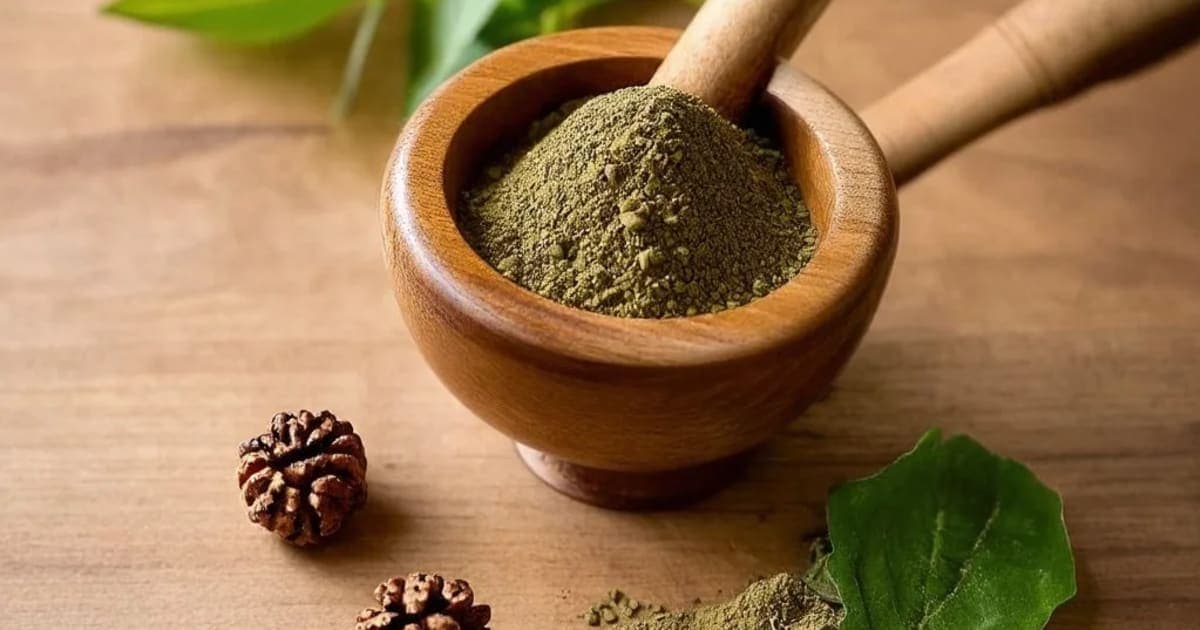
Rudraksha seeds are a potent Ayurvedic herb primarily used to calm an agitated mind, lower high blood pressure, and support deep spiritual meditation. Unlike many leafy herbs you brew in tea, Rudraksha comes from the hard, grooved seed of the Elaeocarpus ganitrus tree, often worn as a mala (prayer beads) or ground into a fine powder for internal use. The seeds have a distinct earthy aroma and a naturally astringent, slightly bitter taste that signals their strong impact on the nervous system.
Ancient texts like the Bhavaprakash Nighantu classify Rudraksha as a substance with heating potency (Ushna Virya) and a sweet post-digestive effect. This unique combination allows it to penetrate deep into the tissues, soothing the erratic energy of Vata and the heaviness of Kapha without causing stagnation. While modern users often wear the beads for stress relief, traditional practitioners prescribe the powdered seed mixed with warm milk or ghee to address specific cardiovascular and neurological imbalances.
What are the Ayurvedic properties of Rudraksha?
The Ayurvedic properties of Rudraksha define exactly how this seed interacts with your physiology, balancing specific doshas through its taste and potency. In Dravyaguna Shastra, the science of Ayurvedic pharmacology, every herb is mapped by five fundamental criteria that determine its healing trajectory. Understanding these values helps you predict whether Rudraksha will soothe your constitution or aggravate it.
| Property (Sanskrit) | Value | What it means for your body |
|---|---|---|
| Rasa (Taste) | Madhura (Sweet) | Nourishing and grounding; builds tissue (Ojas) and calms mental agitation. |
| Guna (Quality) | Guru (Heavy) | Dense and penetrating; slows down rapid metabolism and anchors floating energy. |
| Virya (Potency) | Ushna (Hot) | Heating; stimulates circulation, kindles digestive fire, and clears cold stagnation. |
| Vipaka (Post-digestive) | Madhura (Sweet) | The lasting effect is nourishing, promoting long-term stability and tissue repair. |
This specific profile makes Rudraksha a "heavy" herb that settles the mind, much like a stone anchors a boat in a storm. The heating virya ensures that while it grounds you, it does not create cold dampness, making it distinct from other cooling sedatives.
Which doshas does Rudraksha balance?
Rudraksha primarily pacifies Vata and Kapha doshas, making it an ideal remedy for conditions rooted in anxiety, irregular movement, or fluid retention. When Vata energy becomes excessive, it creates symptoms like racing thoughts, tremors, and high blood pressure, all of which the grounding nature of Rudraksha effectively counteracts. Similarly, its heating quality helps dissolve the cold, sticky accumulation of Kapha that can lead to lethargy or congestion.
However, individuals with a dominant Pitta constitution should approach Rudraksha with caution. Because the seed possesses heating potency (Ushna Virya), taking it in large doses or for extended periods can inflame Pitta, potentially triggering acidity, skin rashes, or irritability. If you tend to feel hot-tempered or suffer from acid reflux, it is best to consult an Ayurvedic practitioner before using the powder internally, though wearing the beads externally is generally considered safe for all types.
How do you know if you need Rudraksha?
You might benefit from Rudraksha if you experience classic signs of Vata imbalance, such as chronic insomnia, dry skin, joint cracking, or a mind that refuses to settle even when your body is tired. People often describe feeling "wired but tired," where mental anxiety persists despite physical exhaustion. In these moments, the heavy, grounding quality of Rudraksha acts as a biological anchor, slowing down the rapid firing of the nervous system.
What are the main health benefits of Rudraksha?
The primary health benefits of Rudraksha center on stabilizing the cardiovascular system and quieting mental turbulence. Modern research supports the traditional view that wearing or consuming Rudraksha can help regulate blood pressure and reduce heart rate variability during stress. This is not just folklore; the bio-electric properties of the seed interact with the body's own electrical impulses to induce a state of calm alertness.
Practitioners often recommend taking 500mg of Rudraksha powder mixed with warm milk and a pinch of cardamom to mitigate its heating nature while treating hypertension. Beyond blood pressure, it is highly valued for managing neurological disorders like epilepsy and severe anxiety, where it acts as a nervine tonic. A quotable fact from classical observation notes that regular wearers often report improved concentration and a tangible reduction in the "noise" of daily stressors.
Frequently Asked Questions
Can I wear Rudraksha beads while sleeping?
Yes, you can wear Rudraksha beads while sleeping, and many practitioners recommend it for those suffering from insomnia or night terrors. The continuous contact with the skin allows the herb's subtle energy to ground Vata dosha throughout the night, promoting deeper rest.
How much Rudraksha powder is safe to take daily?
A typical therapeutic dose ranges from 500mg to 1 gram of Rudraksha powder, usually taken once daily with warm water or milk. It is crucial to start with a lower dose to test your tolerance, as its heating potency can cause discomfort in sensitive individuals.
Does Rudraksha help with high blood pressure?
Yes, Rudraksha is widely used in Ayurveda to help manage high blood pressure by calming the nervous system and reducing vascular resistance. Studies suggest it acts as a natural calcium channel blocker, helping to relax blood vessels and stabilize heart rate.
Who should avoid taking Rudraksha internally?
Pregnant women, children, and individuals with high Pitta conditions like active ulcers or severe acid reflux should avoid internal consumption without medical supervision. Since the herb is heating, it may aggravate these conditions if not balanced with cooling adjuvants like ghee or milk.
Frequently Asked Questions
What is Rudraksha used for in Ayurveda?
Rudraksha is primarily used as a Heart Tonic and Brain Tonic in Ayurvedic medicine. Elaeocarpus ganitrus seeds are used to calm the mind, control high blood pressure, and for spiritual practices. It pacifies Vata, Kapha dosha.
How should I take Rudraksha?
Rudraksha can be taken as powder (1/2-1 tsp with warm water or milk), decoction (boil 1 tsp in water), or tablets (1-2 daily). Always start with a low dose and consult an Ayurvedic practitioner for personalized guidance.
Is Rudraksha safe during pregnancy?
Pregnant and nursing women should not take Rudraksha without consulting their doctor first. Most Ayurvedic herbs require medical supervision during pregnancy.
Which dosha does Rudraksha balance?
Rudraksha pacifies Vata, Kapha. Excessive use may increase Pitta dosha.
Can I take Rudraksha daily?
Rudraksha can be taken daily in recommended doses for 4-8 weeks. After that, take a 2-week break before resuming. Long-term use should be supervised by a qualified Ayurvedic practitioner.
What are the side effects of Rudraksha?
When taken in recommended doses, Rudraksha is generally safe. Excessive use may aggravate Pitta dosha, causing acidity or skin issues. Stop use if you experience any adverse reaction.
Related Articles
The Timeless Benefits of Triphala: An Ayurvedic Powerhouse
Discover the transformative benefits of Triphala, an ancient Ayurvedic blend of three fruits that supports digestion, immunity, weight management, and overall vitality.
5 min read
The Divine Benefits of Tulsi (Holy Basil) in Ayurveda
Discover the sacred benefits of Tulsi (Holy Basil) in Ayurveda. From boosting immunity and reducing stress to supporting heart health and digestion, learn how this divine herb can transform your well-being.
4 min read
The Remarkable Benefits of Giloy: An Ayurvedic Powerhouse
Discover the profound health benefits of Giloy, the Ayurvedic 'root of immortality.' Learn how this powerful herb boosts immunity, manages diabetes, improves digestion, and supports skin, hair, and bone health.
5 min read
The Remarkable Benefits of Ashwagandha: An Ayurvedic Perspective
Discover the ancient wisdom of Ashwagandha, a powerful Ayurvedic adaptogen known for reducing stress, boosting immunity, improving sleep, and enhancing physical strength.
4 min read
Brihatyadi Kashayam: Natural Relief for Urinary Tract Disorders and Cystitis
Brihatyadi Kashayam is a cooling Ayurvedic decoction that targets urinary burning and cystitis by balancing Vata and Pitta. Unlike standard teas, this concentrated liquid extract is specifically designed to reduce inflammation in the bladder lining while flushing out toxins.
5 min read
Asphota: Ayurvedic Brain Tonic, Calming Herb & Blood Purifier
Often overlooked, Asphota is a cooling, bitter herb that acts as a gentle brain tonic and blood purifier. While it shares traits with the popular Aparajita, its unique astringent quality makes it particularly effective for stopping bleeding and soothing inflamed tissues.
6 min read
References & Sources
This article is based on principles from classical Ayurvedic texts including Charaka Samhita, Sushruta Samhita, and Ashtanga Hridaya. Content has been reviewed for accuracy by our editorial team. For specific medical conditions, always consult a qualified Ayurvedic practitioner or healthcare provider.
- • Charaka Samhita (चरक संहिता)
- • Sushruta Samhita (सुश्रुत संहिता)
- • Ashtanga Hridaya (अष्टांग हृदय)
Found an error in this article? Let us know