
Rajapravartini Vati: Benefits, Uses, and Menstrual Regulation
Expert Reviewed
Reviewed by AyurvedicUpchar Editorial Team
What is Rajapravartini Vati?
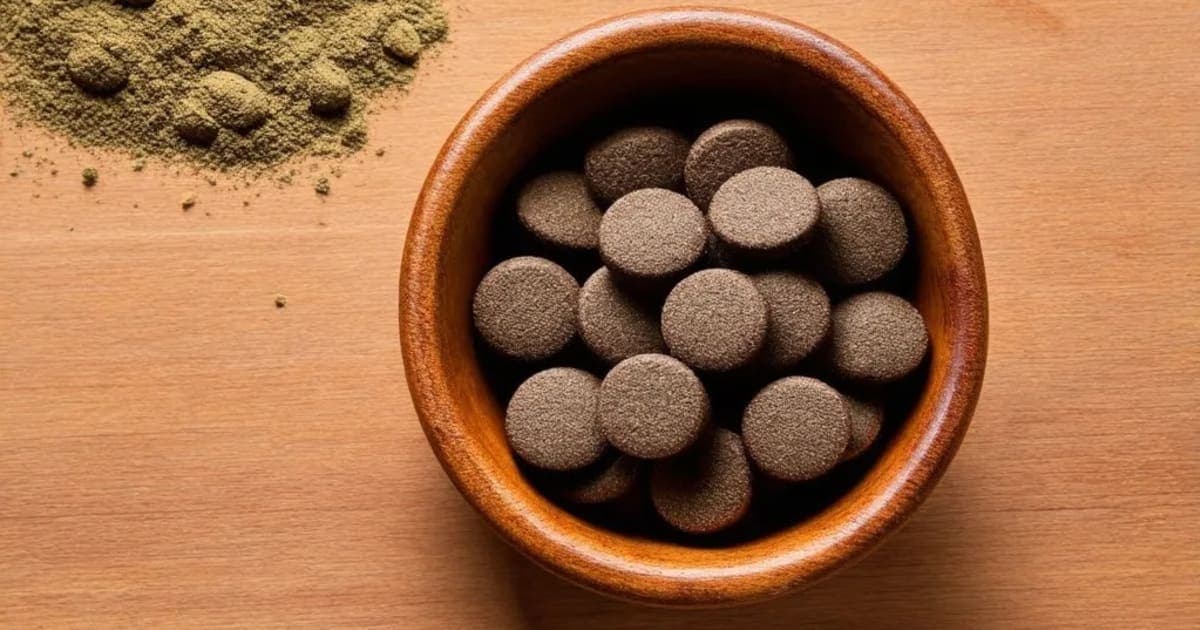
Rajapravartini Vati is a potent Ayurvedic tablet formulation specifically designed to induce delayed menstruation and relieve painful cramping in cases of amenorrhea and dysmenorrhea. Unlike single-herb remedies, this is a classic compound medicine that combines heating spices and minerals to jumpstart the reproductive system when it has stalled.
In the classical text Bhavaprakasha Nighantu, this formulation is cited as a primary remedy for "Raja Anivrtti" (absence of menstruation). The name itself offers a clue to its function: "Raja" refers to the menstrual flow, and "Pravartini" means to induce or set in motion. When a woman's cycle stops due to blockage or stagnation, this medicine acts like a gentle but firm nudge to clear the channels and restore the natural rhythm.
The formulation is distinct because of its intense heating nature. It is not a gentle tonic for daily maintenance; rather, it is a targeted intervention used for short periods. A grandmother in rural India might describe it as the medicine that "warms the womb" when the body feels too cold or heavy to release the monthly flow. It works by kindling the digestive fire (Agni) and burning away the Kapha mucus that often blocks the uterine channels.
How does Rajapravartini Vati interact with the body?
>The pharmacological profile of Rajapravartini Vati is defined by its Pungent and Bitter tastes, Hot potency, and sharp, penetrating quality, which together clear blockages and stimulate menstrual flow. This specific combination of properties allows it to move stagnation in the lower abdomen effectively.To understand why it works, we must look at the five fundamental properties (Panchakarma) that Ayurveda uses to classify every medicine. These are not abstract concepts but practical indicators of how the body will react. The taste (Rasa) is Pungent (Katu) and Bitter (Tikta). The Pungent taste cuts through congestion, while the Bitter taste purifies the blood. The potency (Virya) is Hot (Ushna), meaning it generates internal heat to melt away cold stagnation. The post-digestive effect (Vipaka) remains Pungent, ensuring the action continues even after digestion. Finally, its quality (Guna) is Tikshna, or "sharp," which allows the medicine to penetrate deep into the tissues rather than just sitting in the stomach.
| Property (Sanskrit) | Value | What it means for your body |
|---|---|---|
| Rasa (Taste) | Katu, Tikta | Pungent taste cuts through blockages; Bitter taste detoxifies and cools the blood slightly to balance the heat. |
| Guna (Quality) | Tikshna | Sharp and penetrating; allows the medicine to reach deep uterine tissues quickly. |
| Virya (Potency) | Ushna | Hot energy that stimulates circulation and melts Kapha stagnation in the reproductive system. |
| Vipaka (Post-digestive) | Katu | Pungent after-digestion effect ensures long-lasting stimulation of the menstrual channels. |
| Dosha Effect | Tridoshic (with caution) | Primarily balances Vata and Kapha; can aggravate Pitta if used excessively. |
A key takeaway for practitioners is that the "sharpness" (Tikshna) of this formulation is what makes it effective for stubborn blockages but also what requires caution. It is not a mild herb; it is a surgical tool in the hands of a skilled Ayurvedic physician.
Which dosha imbalances does Rajapravartini Vati correct?
>Rajapravartini Vati primarily balances Vata and Kapha doshas by using heat to move stagnation and sharpness to clear blockages, making it ideal for delayed periods caused by cold, anxiety, or heavy mucus buildup.When Vata is high, the menstrual flow can become irregular, scanty, or painful due to dryness and movement issues. When Kapha is high, the flow stops completely because the channels are clogged with heavy, sticky mucus. This medicine addresses both by introducing heat and motion. It warms the cold, dry Vata and liquefies the heavy Kapha, allowing the cycle to resume.
However, the heat generated by this formulation is significant. For individuals with a dominant Pitta constitution or those currently experiencing high Pitta symptoms—such as burning sensations, angry outbursts, or inflammatory skin conditions—this medicine can be too aggressive. Excessive use may lead to acidity, nosebleeds, or a sudden spike in body temperature. It is rarely the right choice for someone already running hot, unless balanced with cooling herbs by a practitioner.
Who should avoid or use caution?
While effective for blockages, Rajapravartini Vati is not for everyone. It should be strictly avoided during pregnancy, as its strong uterine-stimulating properties can cause miscarriage. It is also generally contraindicated for women with heavy menstrual bleeding (menorrhagia) or conditions like endometriosis where the tissue is already inflamed, as the heat could worsen the bleeding or pain. Always consult an Ayurvedic doctor before starting this regimen, as the dosage is highly specific to the individual's constitution.
Frequently Asked Questions about Rajapravartini Vati
What is the primary use of Rajapravartini Vati?
The primary use of Rajapravartini Vati is to induce menstruation in cases of amenorrhea (absence of periods) and to relieve painful cramping (dysmenorrhea) caused by Vata and Kapha blockages in the uterus.
Can Rajapravartini Vati be taken daily for long periods?
No, this formulation is intended for short-term use only to jumpstart the cycle. Long-term daily use can aggravate Pitta dosha, leading to heat-related issues like acidity, skin rashes, or excessive body temperature.
What are the common side effects of Rajapravartini Vati?
Common side effects usually stem from its heating nature and may include stomach burning, heartburn, increased body heat, or irritability, especially if taken by someone with a Pitta imbalance.
Is Rajapravartini Vati safe for pregnant women?
No, it is absolutely unsafe for pregnant women. Because it is designed to stimulate uterine contractions and clear blockages, it can induce miscarriage and must be avoided entirely during pregnancy.
How is Rajapravartini Vati typically administered?
It is usually taken as a tablet (vati) with warm water or warm ghee, often timed specifically before the expected date of the period or as directed by a physician for 3 to 5 days.
Frequently Asked Questions
What is Rajapravartini Vati used for in Ayurveda?
Rajapravartini Vati is primarily used as a Yonirogahara and Artavajanana in Ayurvedic medicine. A formulation used to induce and regulate menstrual flow in cases of amenorrhea and dysmenorrhea. It pacifies Kapha, Vata dosha.
How should I take Rajapravartini Vati?
Rajapravartini Vati can be taken as powder (1/2-1 tsp with warm water or milk), decoction (boil 1 tsp in water), or tablets (1-2 daily). Always start with a low dose and consult an Ayurvedic practitioner for personalized guidance.
Is Rajapravartini Vati safe during pregnancy?
Pregnant and nursing women should not take Rajapravartini Vati without consulting their doctor first. Most Ayurvedic herbs require medical supervision during pregnancy.
Which dosha does Rajapravartini Vati balance?
Rajapravartini Vati pacifies Kapha, Vata. Excessive use may increase Pitta dosha.
Can I take Rajapravartini Vati daily?
Rajapravartini Vati can be taken daily in recommended doses for 4-8 weeks. After that, take a 2-week break before resuming. Long-term use should be supervised by a qualified Ayurvedic practitioner.
What are the side effects of Rajapravartini Vati?
When taken in recommended doses, Rajapravartini Vati is generally safe. Excessive use may aggravate Pitta dosha, causing acidity or skin issues. Stop use if you experience any adverse reaction.
Related Articles
The Timeless Benefits of Triphala: An Ayurvedic Powerhouse
Discover the transformative benefits of Triphala, an ancient Ayurvedic blend of three fruits that supports digestion, immunity, weight management, and overall vitality.
5 min read
The Divine Benefits of Tulsi (Holy Basil) in Ayurveda
Discover the sacred benefits of Tulsi (Holy Basil) in Ayurveda. From boosting immunity and reducing stress to supporting heart health and digestion, learn how this divine herb can transform your well-being.
4 min read
The Remarkable Benefits of Giloy: An Ayurvedic Powerhouse
Discover the profound health benefits of Giloy, the Ayurvedic 'root of immortality.' Learn how this powerful herb boosts immunity, manages diabetes, improves digestion, and supports skin, hair, and bone health.
5 min read
The Remarkable Benefits of Ashwagandha: An Ayurvedic Perspective
Discover the ancient wisdom of Ashwagandha, a powerful Ayurvedic adaptogen known for reducing stress, boosting immunity, improving sleep, and enhancing physical strength.
4 min read
Brihatyadi Kashayam: Natural Relief for Urinary Tract Disorders and Cystitis
Brihatyadi Kashayam is a cooling Ayurvedic decoction that targets urinary burning and cystitis by balancing Vata and Pitta. Unlike standard teas, this concentrated liquid extract is specifically designed to reduce inflammation in the bladder lining while flushing out toxins.
5 min read
Asphota: Ayurvedic Brain Tonic, Calming Herb & Blood Purifier
Often overlooked, Asphota is a cooling, bitter herb that acts as a gentle brain tonic and blood purifier. While it shares traits with the popular Aparajita, its unique astringent quality makes it particularly effective for stopping bleeding and soothing inflamed tissues.
6 min read
References & Sources
This article is based on principles from classical Ayurvedic texts including Charaka Samhita, Sushruta Samhita, and Ashtanga Hridaya. Content has been reviewed for accuracy by our editorial team. For specific medical conditions, always consult a qualified Ayurvedic practitioner or healthcare provider.
- • Charaka Samhita (चरक संहिता)
- • Sushruta Samhita (सुश्रुत संहिता)
- • Ashtanga Hridaya (अष्टांग हृदय)
Found an error in this article? Let us know