
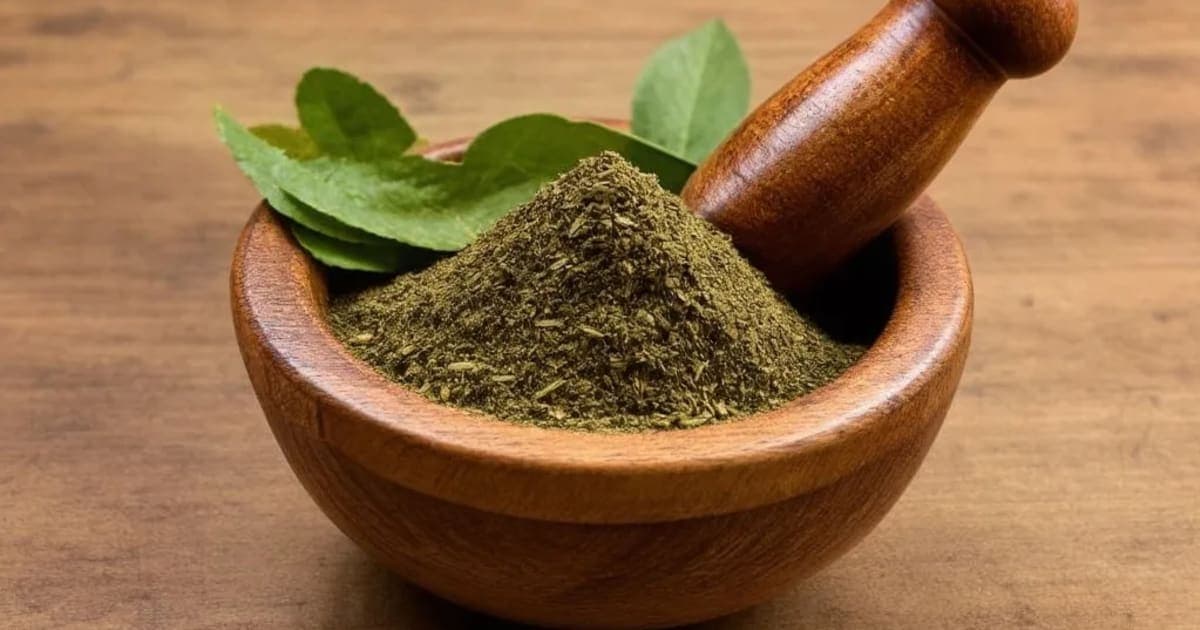
Rajamasha: Kidney Bean Benefits, Dosha Balance & Ayurvedic Uses
Expert Reviewed
Reviewed by AyurvedicUpchar Editorial Team
What is Rajamasha in Ayurveda?
Rajamasha, commonly known as the kidney bean, is a cooling legume in Ayurveda primarily used to nourish tissues and reduce excess heat in the body. While often treated as a simple food in modern kitchens, classical texts classify it as a medicinal substance with specific actions on the digestive fire and doshas. Charaka Samhita, Sutra Sthana, notes that while it builds strength, its heavy nature requires careful preparation to avoid aggravating Vata.
Unlike many legumes that are simply 'good for protein,' Rajamasha carries a distinct sensory profile: the beans are mottled red and brown, resembling a kidney, and possess a sweet yet astringent taste that lingers on the palate. When cooked properly with cumin and asafoetida, the bean transforms from a gas-producing food into a soothing, cooling sustenance. This transformation is critical because, in its raw or under-spiced state, it is notoriously difficult to digest and can cause bloating, a common complaint among those with weak Agni (digestive fire).
How does Rajamasha interact with the body's doshas?
Rajamasha primarily pacifies Pitta dosha due to its cooling potency (Sheeta Virya) and sweet taste. It is most beneficial for individuals experiencing inflammation, burning sensations, or excessive heat, but it must be used with caution by those with high Vata or Kapha. The herb is not a universal tonic; its heavy and dry qualities mean it can increase Vata if eaten in large quantities or without proper digestive spices, and it may worsen Kapha if consumed by those prone to congestion or lethargy.
Many people mistakenly believe that because it is a 'vegetable' or 'bean,' it is safe for everyone. In reality, the astringent quality of Rajamasha can dry out the tissues, while its post-digestive effect (Vipaka) turns pungent, which can irritate a sensitive stomach if the digestion is already sluggish. A grandmother's rule of thumb is simple: if you feel heavy or gassy after eating it, your body is telling you that the Vata has been disturbed, and you likely need to reduce the portion or add more ginger and turmeric to the cooking water.
What are the specific Ayurvedic properties of Rajamasha?
The therapeutic action of Rajamasha is defined by five core properties that determine how it affects your tissues and energy levels. These properties explain why it cools the blood while simultaneously requiring strong digestion to process. The table below details these fundamental characteristics as recognized in Dravyaguna Shastra.
| Property (Sanskrit) | Value | What it means for your body |
|---|---|---|
| Rasa (Taste) | Madhura, Kashaya | Sweet taste nourishes and builds tissue; Astringent taste dries moisture and heals wounds. |
| Guna (Quality) | Guru, Ruksha | Heavy to digest and dry in texture, which can cause blockage if digestion is weak. |
| Virya (Potency) | Sheeta | Cooling energy that reduces inflammation, burns, and excess heat in the blood and skin. |
| Vipaka (Post-digestive) | Katu | Pungent effect after digestion, which can stimulate metabolism but may irritate sensitive linings. |
| Dosha Effect | Pacifies Pitta | Best for heat-related issues; may aggravate Vata and Kapha if overused or improperly cooked. |
A key distinction in using this herb is understanding that its 'heaviness' is not just about calories, but about how long it sits in the stomach. For someone with a fast metabolism and hot constitution, this heaviness provides a grounding, cooling anchor. For someone with a slow metabolism, it acts like a stone in the gut, leading to the very Vata symptoms—gas and distension—it might otherwise help balance in a different context.
How should you prepare and use Rajamasha safely?
To use Rajamasha safely, you must soak the dried beans overnight and cook them with digestive spices like cumin, coriander, and asafoetida to counteract their Vata-aggravating potential. The classical recommendation is to consume this bean as part of a warm, liquid-based meal like a stew or dal, rather than eating it dry or cold, which would shock the digestive system. Avoid combining it with incompatible foods like milk or sour fruits, which can further disrupt digestion and create toxins (Ama).
Specific preparation matters more than the ingredient itself. If you are making a kidney bean curry, ensure the beans are cooked until they are completely soft and mashable with a fork. A hard bean is a recipe for Vata imbalance. In traditional households, the water used for soaking is discarded to remove anti-nutrients and reduce the gas-forming compounds. This simple step, often overlooked in modern recipes, makes the difference between a nourishing meal and one that causes discomfort.
Frequently Asked Questions about Rajamasha
Does Rajamasha increase Vata or Pitta?
Rajamasha primarily pacifies Pitta due to its cooling nature, but it can increase Vata if eaten in large quantities or without digestive spices. Its heavy and dry qualities require strong digestion to prevent gas and bloating.
Is kidney bean good for weight loss in Ayurveda?
While its astringent taste can help reduce excess Kapha in small amounts, its heavy nature (Guru) means it is not ideal for rapid weight loss if the digestion is weak. It is better suited for nourishing tissues in those with high Pitta.
How do you cook Rajamasha to avoid gas?
Soak dried beans overnight, discard the soaking water, and cook them with asafoetida (hing), cumin, and turmeric. Cooking them until completely soft and serving them warm ensures they are easier to digest.
Can people with high Kapha eat Rajamasha?
People with high Kapha should limit Rajamasha because its heavy and dry qualities can lead to congestion and lethargy. If consumed, it must be prepared with heating spices and eaten in small portions.
Frequently Asked Questions
What is Rajamasha used for in Ayurveda?
Rajamasha is primarily used as a Vatahara in Ayurvedic medicine. Kidney bean is heavy and difficult to digest, increasing Vata. It is generally not recommended in large quantities. It pacifies dosha.
How should I take Rajamasha?
Rajamasha can be taken as powder (1/2-1 tsp with warm water or milk), decoction (boil 1 tsp in water), or tablets (1-2 daily). Always start with a low dose and consult an Ayurvedic practitioner for personalized guidance.
Is Rajamasha safe during pregnancy?
Pregnant and nursing women should not take Rajamasha without consulting their doctor first. Most Ayurvedic herbs require medical supervision during pregnancy.
Which dosha does Rajamasha balance?
Rajamasha pacifies . Excessive use may increase Vata, Pitta, Kapha dosha.
Can I take Rajamasha daily?
Rajamasha can be taken daily in recommended doses for 4-8 weeks. After that, take a 2-week break before resuming. Long-term use should be supervised by a qualified Ayurvedic practitioner.
What are the side effects of Rajamasha?
When taken in recommended doses, Rajamasha is generally safe. Excessive use may aggravate Vata, Pitta, Kapha dosha, causing acidity or skin issues. Stop use if you experience any adverse reaction.
Related Articles
The Timeless Benefits of Triphala: An Ayurvedic Powerhouse
Discover the transformative benefits of Triphala, an ancient Ayurvedic blend of three fruits that supports digestion, immunity, weight management, and overall vitality.
5 min read
The Divine Benefits of Tulsi (Holy Basil) in Ayurveda
Discover the sacred benefits of Tulsi (Holy Basil) in Ayurveda. From boosting immunity and reducing stress to supporting heart health and digestion, learn how this divine herb can transform your well-being.
4 min read
The Remarkable Benefits of Giloy: An Ayurvedic Powerhouse
Discover the profound health benefits of Giloy, the Ayurvedic 'root of immortality.' Learn how this powerful herb boosts immunity, manages diabetes, improves digestion, and supports skin, hair, and bone health.
5 min read
The Remarkable Benefits of Ashwagandha: An Ayurvedic Perspective
Discover the ancient wisdom of Ashwagandha, a powerful Ayurvedic adaptogen known for reducing stress, boosting immunity, improving sleep, and enhancing physical strength.
4 min read
Brihatyadi Kashayam: Natural Relief for Urinary Tract Disorders and Cystitis
Brihatyadi Kashayam is a cooling Ayurvedic decoction that targets urinary burning and cystitis by balancing Vata and Pitta. Unlike standard teas, this concentrated liquid extract is specifically designed to reduce inflammation in the bladder lining while flushing out toxins.
5 min read
Asphota: Ayurvedic Brain Tonic, Calming Herb & Blood Purifier
Often overlooked, Asphota is a cooling, bitter herb that acts as a gentle brain tonic and blood purifier. While it shares traits with the popular Aparajita, its unique astringent quality makes it particularly effective for stopping bleeding and soothing inflamed tissues.
6 min read
References & Sources
This article is based on principles from classical Ayurvedic texts including Charaka Samhita, Sushruta Samhita, and Ashtanga Hridaya. Content has been reviewed for accuracy by our editorial team. For specific medical conditions, always consult a qualified Ayurvedic practitioner or healthcare provider.
- • Charaka Samhita (चरक संहिता)
- • Sushruta Samhita (सुश्रुत संहिता)
- • Ashtanga Hridaya (अष्टांग हृदय)
Found an error in this article? Let us know