
Putikaranja: Ancient Ayurvedic Remedy for Fever, Malaria, and Digestive Health
Expert Reviewed
Reviewed by AyurvedicUpchar Editorial Team
What is Putikaranja in Ayurveda?
Putikaranja, the hardy shrub scientifically known as Caesalpinia bonduc, is a warming herb traditionally used to break fevers, fight malaria, and expel intestinal worms. Unlike many gentle tonics, this plant carries a sharp, penetrating energy that clears deep-seated blockages in the body. In the classical text Charaka Samhita, it is described as a potent agent for kindling digestive fire (Agni) and eliminating Ama, or toxic buildup.
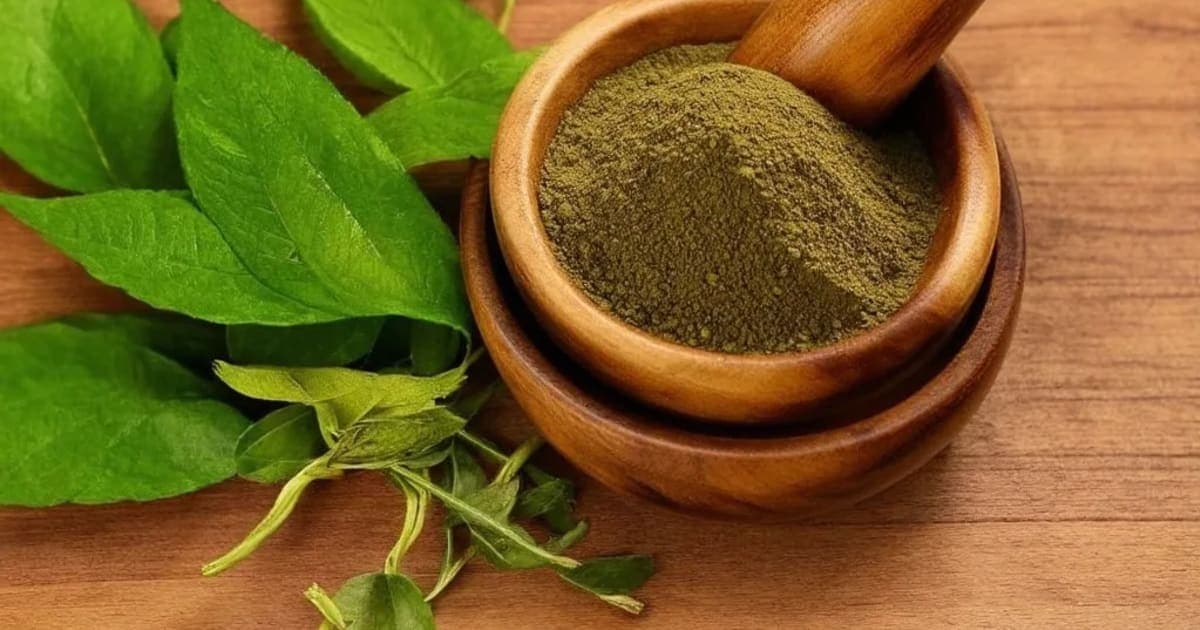
When you handle the seeds, you notice their rough, greyish-brown shell, often studded with sharp spines that protect the inner kernel. Once ground into a powder, the herb releases a distinct, bitter aroma mixed with a sharp, pungent heat. This sensory profile is not accidental; it directly mirrors its therapeutic action. The bitterness cleanses the blood, while the pungency drives the medicine deep into the tissues to dissolve stagnation.
"Putikaranja is a heating, bitter-pungent herb that acts as a deep cleanser for the blood and digestive tract, specifically targeting Kapha and Vata imbalances."
Practitioners often compare its intensity to Latakaranja, but Putikaranja is frequently preferred for its sharper ability to penetrate cold, heavy conditions like chronic joint stiffness or stubborn mucus.
What are the Ayurvedic properties of Putikaranja?
The pharmacological profile of Putikaranja is defined by five core properties that dictate how it interacts with your tissues. It is characterized by a Bitter and Pungent taste, a light and sharp quality, and a distinctly hot potency that stimulates metabolism. These attributes make it a primary choice for conditions requiring deep purification and heat generation.
Understanding these properties helps explain why the herb is so effective for fever and digestive issues. The hot potency (Virya) counters the cold nature of Kapha, while the sharp quality (Guna) ensures the medicine reaches the deepest channels of the body quickly.
| Property (Sanskrit) | Value | What it means for your body |
|---|---|---|
| Rasa (Taste) | Tikta, Katu | Bitter taste detoxifies and purifies blood; Pungent taste stimulates metabolism and clears blocked channels. |
| Guna (Quality) | Laghu, Tikshna | Light and Sharp properties allow for rapid absorption and deep penetration into tissues. |
| Virya (Potency) | Ushna | Hot potency ignites digestive fire, improves circulation, and reduces cold, stagnant conditions. |
| Vipaka (Post-digestive effect) | Katu | Pungent post-digestive effect means the herb continues to generate heat and clear toxins after digestion. |
| Dosha Effect | Pacifies Kapha, Vata | Reduces excess mucus, dryness, and pain; may aggravate Pitta if used in excess. |
How does Putikaranja balance the Doshas?
Putikaranja primarily pacifies Kapha and Vata doshas, making it a powerful ally for those struggling with cold, dry, or stagnant health issues. Its heating nature melts away excess Kapha (mucus and heaviness), while its sharp, light quality grounds erratic Vata (pain and anxiety). This dual action makes it particularly useful for conditions like rheumatism, where joint stiffness meets chronic pain.
However, caution is necessary for individuals with a Pitta constitution or active inflammation. Because the herb is inherently hot and pungent, excessive use can inflame the body, leading to acid reflux, skin rashes, or a spike in body temperature. A grandmother in rural India might warn that while the herb cures the cold ache in your knees, it can burn your stomach if taken without a cooling carrier like ghee or milk.
Practical ways to use Putikaranja
In traditional households, the hard seeds are rarely eaten raw due to their intense bitterness. Instead, they are carefully roasted to reduce their sharpness, then ground into a fine powder. For fever management, a small dose of this powder is mixed with warm water and honey. For digestive stagnation, it is sometimes taken with buttermilk to balance its heating effect. In external applications, a paste of the roasted seeds and oil is massaged onto swollen joints to reduce pain and improve mobility.
Who should avoid using Putikaranja?
While effective for many, Putikaranja is not suitable for everyone. Individuals with high Pitta, such as those suffering from acute gastritis, bleeding disorders, or severe skin inflammation, should avoid it. Pregnant women should also exercise extreme caution, as the herb's heating and penetrating nature may stimulate the uterus. Always consult an Ayurvedic practitioner before starting this herb, especially if you are taking other medications for fever or digestive issues.
Frequently Asked Questions about Putikaranja
What is Putikaranja used for in Ayurveda?
Putikaranja is primarily used to treat intermittent fevers, malaria, and intestinal worm infections. It is also prescribed for digestive stagnation, arthritis, and skin diseases caused by blood toxicity.
Does Putikaranja increase body heat?
Yes, Putikaranja has a hot potency (Ushna Virya) and a pungent post-digestive effect, which significantly increases body heat. This makes it excellent for cold conditions but risky for those with high Pitta or inflammation.
How is Putikaranja different from Latakaranja?
Both herbs share similar bitter and pungent properties, but Putikaranja is generally considered more potent in breaking fevers and expelling worms. Latakaranja is often used for similar conditions but may have a slightly milder effect on the digestive tract.
Can I take Putikaranja powder daily?
No, daily long-term use is not recommended without professional guidance due to its heating nature. It is typically used as a short-term remedy for specific conditions like fever or worm infestation, then discontinued once symptoms resolve.
Disclaimer: This content is for educational purposes only and does not constitute medical advice. Always consult a qualified Ayurvedic practitioner or healthcare provider before using herbal remedies, especially if you are pregnant, nursing, or taking prescription medication.
Frequently Asked Questions
What is Putikaranja used for in Ayurveda?
Putikaranja is primarily used as a Antipyretic and Antiparasitic in Ayurvedic medicine. Caesalpinia bonduc is a bitter tonic used for fever, malaria, and intestinal worms, similar to Latakaranja. It pacifies Kapha, Vata dosha.
How should I take Putikaranja?
Putikaranja can be taken as powder (1/2-1 tsp with warm water or milk), decoction (boil 1 tsp in water), or tablets (1-2 daily). Always start with a low dose and consult an Ayurvedic practitioner for personalized guidance.
Is Putikaranja safe during pregnancy?
Pregnant and nursing women should not take Putikaranja without consulting their doctor first. Most Ayurvedic herbs require medical supervision during pregnancy.
Which dosha does Putikaranja balance?
Putikaranja pacifies Kapha, Vata. Excessive use may increase Pitta dosha.
Can I take Putikaranja daily?
Putikaranja can be taken daily in recommended doses for 4-8 weeks. After that, take a 2-week break before resuming. Long-term use should be supervised by a qualified Ayurvedic practitioner.
What are the side effects of Putikaranja?
When taken in recommended doses, Putikaranja is generally safe. Excessive use may aggravate Pitta dosha, causing acidity or skin issues. Stop use if you experience any adverse reaction.
Related Articles
The Timeless Benefits of Triphala: An Ayurvedic Powerhouse
Discover the transformative benefits of Triphala, an ancient Ayurvedic blend of three fruits that supports digestion, immunity, weight management, and overall vitality.
5 min read
The Divine Benefits of Tulsi (Holy Basil) in Ayurveda
Discover the sacred benefits of Tulsi (Holy Basil) in Ayurveda. From boosting immunity and reducing stress to supporting heart health and digestion, learn how this divine herb can transform your well-being.
4 min read
The Remarkable Benefits of Giloy: An Ayurvedic Powerhouse
Discover the profound health benefits of Giloy, the Ayurvedic 'root of immortality.' Learn how this powerful herb boosts immunity, manages diabetes, improves digestion, and supports skin, hair, and bone health.
5 min read
The Remarkable Benefits of Ashwagandha: An Ayurvedic Perspective
Discover the ancient wisdom of Ashwagandha, a powerful Ayurvedic adaptogen known for reducing stress, boosting immunity, improving sleep, and enhancing physical strength.
4 min read
Brihatyadi Kashayam: Natural Relief for Urinary Tract Disorders and Cystitis
Brihatyadi Kashayam is a cooling Ayurvedic decoction that targets urinary burning and cystitis by balancing Vata and Pitta. Unlike standard teas, this concentrated liquid extract is specifically designed to reduce inflammation in the bladder lining while flushing out toxins.
5 min read
Asphota: Ayurvedic Brain Tonic, Calming Herb & Blood Purifier
Often overlooked, Asphota is a cooling, bitter herb that acts as a gentle brain tonic and blood purifier. While it shares traits with the popular Aparajita, its unique astringent quality makes it particularly effective for stopping bleeding and soothing inflamed tissues.
6 min read
References & Sources
This article is based on principles from classical Ayurvedic texts including Charaka Samhita, Sushruta Samhita, and Ashtanga Hridaya. Content has been reviewed for accuracy by our editorial team. For specific medical conditions, always consult a qualified Ayurvedic practitioner or healthcare provider.
- • Charaka Samhita (चरक संहिता)
- • Sushruta Samhita (सुश्रुत संहिता)
- • Ashtanga Hridaya (अष्टांग हृदय)
Found an error in this article? Let us know