
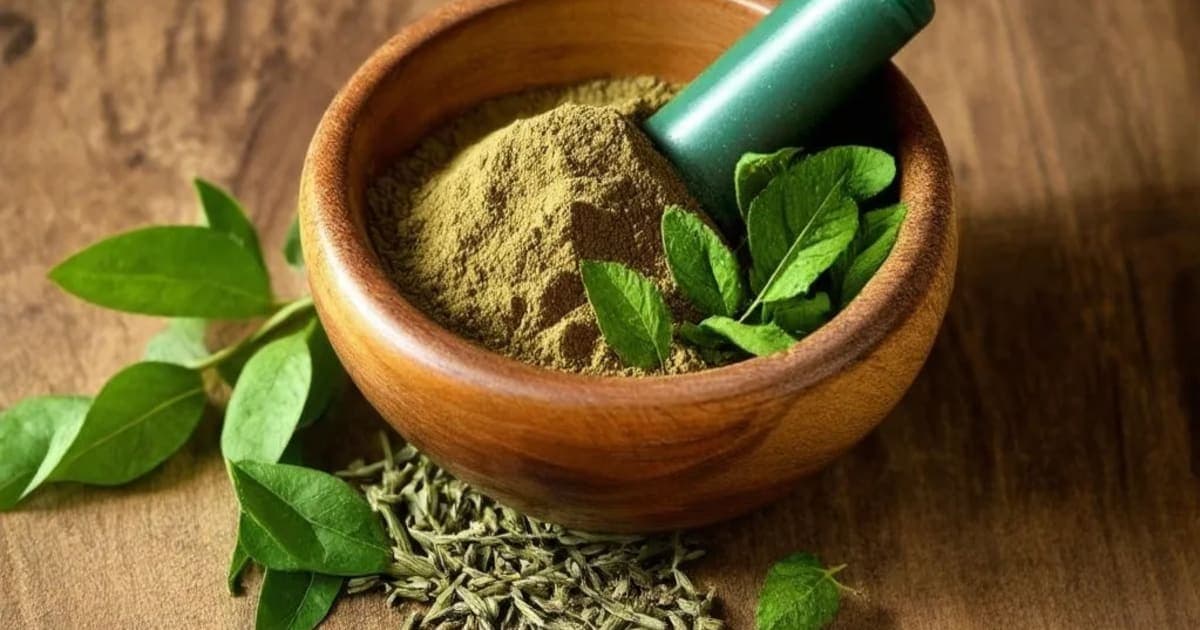
Pushkarmool: Natural Relief for Asthma, Cough & Breathlessness
Expert Reviewed
Reviewed by AyurvedicUpchar Editorial Team
What is Pushkarmool?
Pushkarmool is a warming Ayurvedic herb primarily used to treat asthma, chronic cough, and dyspnea by acting as a potent bronchodilator and expectorant. Known botanically as Inula racemosa, this root has a sharp, pungent aroma and a bitter taste that immediately signals its power to clear blocked respiratory channels.
Classical texts like the Charaka Samhita (Sutra Sthana) list Pushkarmool among the essential dashamoola substitutes for calming Vata and Kapha disorders. Unlike generic cough syrups, Pushkarmool works by physically loosening sticky mucus in the lungs while warming the digestive fire to prevent new mucus formation. Grandmothers in the Himalayan foothills often boil the dried root in milk with a pinch of black pepper to soothe a child's wheezing breath during cold winters.
What are the Ayurvedic properties of Pushkarmool?
The Ayurvedic properties of Pushkarmool define exactly how it interacts with your tissues, combining a bitter-pungent taste with heating potency to clear congestion. These pharmacological markers explain why it excels at breaking down thick phlegm but requires caution for those prone to overheating.
In Dravyaguna Shastra (the science of medicinal substances), every herb is mapped by five fundamental attributes. Here is how Pushkarmool is classified:
| Property (Sanskrit) | Value | What it means for your body |
|---|---|---|
| Rasa (Taste) | Tikta (Bitter), Katu (Pungent) | Scrapes away toxins (Ama) and liquefies thick mucus; stimulates metabolic fire. |
| Guna (Quality) | Laghu (Light), Ruksha (Dry) | Penetrates deep into tissues quickly; dries up excess fluid and swelling. |
| Virya (Potency) | Ushna (Hot) | Warms the chest and stomach, improving circulation and digestion immediately. |
| Vipaka (Post-digestive) | Katu (Pungent) | Leaves a lasting heating effect that continues to clear channels after digestion. |
This specific combination makes Pushkarmool a "scraping" herb. It does not just suppress a cough; it actively removes the underlying congestion causing the breathlessness.
Which doshas does Pushkarmool balance?
Pushkarmool primarily pacifies Vata and Kapha doshas, making it ideal for conditions involving coldness, stagnation, or excess mucus. Because of its heating and drying nature, it can aggravate Pitta if used excessively or by people who already run hot.
If you suffer from joint stiffness, anxiety, or a feeling of coldness (Vata) combined with chest congestion, wheezing, or heavy lethargy (Kapha), this herb brings significant relief. However, if you frequently experience acid reflux, skin rashes, or intense thirst, your Pitta is likely high. In such cases, Pushkarmool should only be taken under the guidance of a practitioner, often balanced with cooling carriers like ghee or milk to offset its sharp heat.
How do you know if you need Pushkarmool?
You likely need Pushkarmool if you experience a wet, rattling cough, shortness of breath that worsens in cold weather, or a sense of heaviness in the chest. These symptoms indicate that Kapha (water/earth) and Vata (air/ether) are imbalanced, creating a blockage in the respiratory tract.
Practically, this looks like waking up with a throat full of phlegm, needing to clear your throat constantly, or feeling winded after climbing a single flight of stairs. A traditional sign that Pushkarmool is working is the ability to cough up mucus easily, followed by a sensation of lightness in the chest and warmer hands and feet.
Frequently Asked Questions
What is Pushkarmool used for in Ayurveda?
Pushkarmool is used to treat respiratory conditions like asthma, bronchitis, and chronic cough by acting as a bronchodilator and expectorant. It clears blocked airways and reduces inflammation in the lungs.
Does Pushkarmool increase Pitta dosha?
Yes, Pushkarmool can increase Pitta due to its hot (Ushna) potency and pungent taste. People with high Pitta should use it cautiously, preferably with cooling anupana (carriers) like milk or ghee.
How is Pushkarmool traditionally consumed?
Traditionally, Pushkarmool root powder is mixed with warm water, honey, or milk. For severe congestion, it is often boiled in milk with black pepper and ginger to enhance its penetrating effect.
Is Pushkarmool safe for long-term use?
Pushkarmool is generally safe for short-term use during acute respiratory episodes but should not be taken indefinitely without supervision. Its drying quality can deplete bodily fluids if used excessively over long periods.
Disclaimer: This content is for educational purposes only and is not medical advice. Consult a qualified Ayurvedic practitioner or healthcare provider before starting any new herbal regimen, especially if you are pregnant, nursing, or taking medication.
Content licensed under CC BY 4.0. Classical references derived from Charaka Samhita and Bhavaprakash Nighantu.
Frequently Asked Questions
What is Pushkarmool used for in Ayurveda?
Pushkarmool is primarily used as a Cough Relief and Shwasahara in Ayurvedic medicine. Effective for asthma, cough, and dyspnea. Acts as a bronchodilator and expectorant. It pacifies Vata, Kapha dosha.
How should I take Pushkarmool?
Pushkarmool can be taken as powder (1/2-1 tsp with warm water or milk), decoction (boil 1 tsp in water), or tablets (1-2 daily). Always start with a low dose and consult an Ayurvedic practitioner for personalized guidance.
Is Pushkarmool safe during pregnancy?
Pregnant and nursing women should not take Pushkarmool without consulting their doctor first. Most Ayurvedic herbs require medical supervision during pregnancy.
Which dosha does Pushkarmool balance?
Pushkarmool pacifies Vata, Kapha. Excessive use may increase Pitta dosha.
Can I take Pushkarmool daily?
Pushkarmool can be taken daily in recommended doses for 4-8 weeks. After that, take a 2-week break before resuming. Long-term use should be supervised by a qualified Ayurvedic practitioner.
What are the side effects of Pushkarmool?
When taken in recommended doses, Pushkarmool is generally safe. Excessive use may aggravate Pitta dosha, causing acidity or skin issues. Stop use if you experience any adverse reaction.
Related Articles
The Timeless Benefits of Triphala: An Ayurvedic Powerhouse
Discover the transformative benefits of Triphala, an ancient Ayurvedic blend of three fruits that supports digestion, immunity, weight management, and overall vitality.
5 min read
The Divine Benefits of Tulsi (Holy Basil) in Ayurveda
Discover the sacred benefits of Tulsi (Holy Basil) in Ayurveda. From boosting immunity and reducing stress to supporting heart health and digestion, learn how this divine herb can transform your well-being.
4 min read
The Remarkable Benefits of Giloy: An Ayurvedic Powerhouse
Discover the profound health benefits of Giloy, the Ayurvedic 'root of immortality.' Learn how this powerful herb boosts immunity, manages diabetes, improves digestion, and supports skin, hair, and bone health.
5 min read
The Remarkable Benefits of Ashwagandha: An Ayurvedic Perspective
Discover the ancient wisdom of Ashwagandha, a powerful Ayurvedic adaptogen known for reducing stress, boosting immunity, improving sleep, and enhancing physical strength.
4 min read
Brihatyadi Kashayam: Natural Relief for Urinary Tract Disorders and Cystitis
Brihatyadi Kashayam is a cooling Ayurvedic decoction that targets urinary burning and cystitis by balancing Vata and Pitta. Unlike standard teas, this concentrated liquid extract is specifically designed to reduce inflammation in the bladder lining while flushing out toxins.
5 min read
Asphota: Ayurvedic Brain Tonic, Calming Herb & Blood Purifier
Often overlooked, Asphota is a cooling, bitter herb that acts as a gentle brain tonic and blood purifier. While it shares traits with the popular Aparajita, its unique astringent quality makes it particularly effective for stopping bleeding and soothing inflamed tissues.
6 min read
References & Sources
This article is based on principles from classical Ayurvedic texts including Charaka Samhita, Sushruta Samhita, and Ashtanga Hridaya. Content has been reviewed for accuracy by our editorial team. For specific medical conditions, always consult a qualified Ayurvedic practitioner or healthcare provider.
- • Charaka Samhita (चरक संहिता)
- • Sushruta Samhita (सुश्रुत संहिता)
- • Ashtanga Hridaya (अष्टांग हृदय)
Found an error in this article? Let us know