
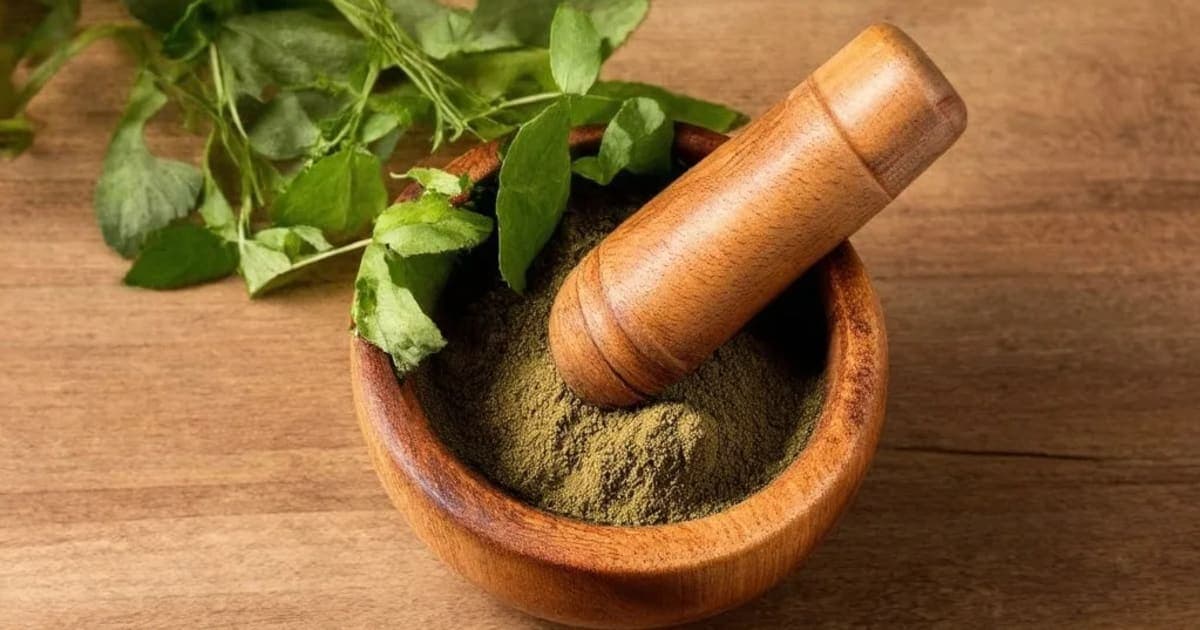
Puga (Areca Nut): Ayurvedic Benefits, Uses & Dosha Balance
Expert Reviewed
Reviewed by AyurvedicUpchar Editorial Team
What is Puga?
Puga, known commonly as the Areca or Betel nut, is a potent astringent herb used in Ayurveda to tighten tissues and stop bleeding. While modern culture often associates it with stimulant chewing habits, classical Ayurvedic practitioners value Puga (Areca catechu) specifically for its ability to dry excess moisture and bind loose stools. It is a cooling herb that primarily calms Kapha dosha, though its drying nature requires careful dosing to avoid aggravating Vata or Pitta.
When you chew fresh Puga, the immediate sensation is intensely dry and puckering, a direct result of its high tannin content. This astringency is not just a flavor; it is the mechanism that shrinks swollen mucous membranes and halts diarrhea. Ancient texts like the Bhavaprakash Nighantu describe Puga as essential for conditions involving fluid loss or tissue laxity, noting its power to 'stambhana' (arrest or stop) abnormal flows in the body.
What are the Ayurvedic properties of Puga?
The Ayurvedic profile of Puga defines it as a heavy, dry, and cooling substance with an astringent taste and a pungent post-digestive effect. These specific qualities determine how the herb moves through your digestive tract and interacts with your tissues long after consumption. Understanding these parameters helps explain why Puga effectively treats diarrhea but might cause constipation if used indiscriminately.
| Property (Sanskrit) | Value | What it means for your body |
|---|---|---|
| Rasa (Taste) | Kashaya (Astringent) | Dries excess fluids, tightens tissues, and stops bleeding or diarrhea. |
| Guna (Quality) | Guru (Heavy), Ruksha (Dry) | Provides grounding stability but can be difficult to digest if appetite is weak. |
| Virya (Potency) | Sheeta (Cooling) | Reduces inflammation and soothes heat-related irritation in the gut. |
| Vipaka (Post-digestive) | Katu (Pungent) | Creates a lingering warming and scraping effect that clears residual mucus. |
This unique combination means that while Puga feels cooling initially, its long-term metabolic action generates heat and dryness. This is why it excels at clearing sticky Kapha mucus but can easily dehydrate someone who is already dry or anxious.
Which dosha does Puga balance?
Puga primarily pacifies Kapha dosha due to its dry, light, and astringent qualities that counteract Kapha's wet, heavy, and slimy nature. It is the go-to remedy for individuals suffering from water retention, excessive salivation, or chronic congestion where the body feels waterlogged. By drying up these excess fluids, Puga restores lightness and clarity to the system.
However, this same drying power means Puga can aggravate Vata and Pitta if used without caution. For those with a Vata constitution, the roughness of the nut may increase anxiety, dry skin, or constipation. Similarly, because the post-digestive effect is pungent, overuse can stir up Pitta, leading to acidity or irritability. A skilled practitioner might combine Puga with ghee or licorice to buffer these harsh effects for sensitive constitutions.
Signs you might benefit from Puga
You are likely a candidate for Puga therapy if you experience symptoms of high Kapha, such as a constant feeling of heaviness in the chest, sweet taste in the mouth, or loose, unformed stools. It is particularly useful during the rainy season or spring when Kapha naturally accumulates. If your tongue feels thickly coated and your energy is sluggish despite sleeping well, Puga's scraping action can help clear the stagnation.
What are the primary health benefits of Puga?
Puga serves as a powerful digestive astringent that stops diarrhea, reduces excessive salivation, and tightens lax tissues in the mouth and gut. Its high tannin content allows it to act quickly on the mucosal lining, providing relief from acute gastrointestinal distress. Beyond the gut, it is traditionally used to strengthen gums and reduce bleeding in the oral cavity.
In practical application, a small amount of roasted Puga powder mixed with warm water is a classic home remedy for sudden onset diarrhea. For oral health, chewing a thin slice of the fresh nut or using a Puga-based tooth powder helps firm up spongy gums and stops minor bleeding. The Charaka Samhita also references its use in formulations designed to improve voice quality by clearing throat congestion.
It is important to distinguish between the medicinal use of the seed and the recreational habit of betel quid chewing, which often includes slaked lime and tobacco. While the herb itself has therapeutic value, the traditional recreational mixture can be harsh on the teeth and mucosa if used daily without medical supervision. Medicinal use is typically short-term and targeted at specific imbalances rather than daily maintenance.
Frequently Asked Questions
Is Puga safe for daily consumption?
Puga is generally not recommended for daily long-term consumption without medical supervision due to its strong drying and astringent effects. Continuous use can lead to constipation, increased acidity, or aggravation of Vata dosha. It is best used therapeutically for short periods to address specific Kapha imbalances.
Can Puga help with weight loss?
Yes, Puga may support weight loss in individuals with Kapha-type obesity characterized by water retention and lethargy. Its drying and scraping qualities help reduce excess fluid buildup and improve metabolic efficiency. However, it is not a standalone solution and works best when combined with diet and lifestyle changes.
How is Puga different from regular betel leaf?
Puga refers to the nut (seed) of the Areca palm, while betel leaf comes from a completely different vine called Piper betle. The nut is intensely astringent and drying, whereas the leaf is pungent and warming. They are often used together in traditional preparations, but their energetic effects on the body differ significantly.
Frequently Asked Questions
What is Puga used for in Ayurveda?
Puga is primarily used as a Appetite Stimulant in Ayurvedic medicine. Areca nut (Betel nut) is a stimulant and astringent, but is used cautiously in Ayurveda. It pacifies Kapha dosha.
How should I take Puga?
Puga can be taken as powder (1/2-1 tsp with warm water or milk), decoction (boil 1 tsp in water), or tablets (1-2 daily). Always start with a low dose and consult an Ayurvedic practitioner for personalized guidance.
Is Puga safe during pregnancy?
Pregnant and nursing women should not take Puga without consulting their doctor first. Most Ayurvedic herbs require medical supervision during pregnancy.
Which dosha does Puga balance?
Puga pacifies Kapha. Excessive use may increase Pitta, Vata dosha.
Can I take Puga daily?
Puga can be taken daily in recommended doses for 4-8 weeks. After that, take a 2-week break before resuming. Long-term use should be supervised by a qualified Ayurvedic practitioner.
What are the side effects of Puga?
When taken in recommended doses, Puga is generally safe. Excessive use may aggravate Pitta, Vata dosha, causing acidity or skin issues. Stop use if you experience any adverse reaction.
Related Articles
The Timeless Benefits of Triphala: An Ayurvedic Powerhouse
Discover the transformative benefits of Triphala, an ancient Ayurvedic blend of three fruits that supports digestion, immunity, weight management, and overall vitality.
5 min read
The Divine Benefits of Tulsi (Holy Basil) in Ayurveda
Discover the sacred benefits of Tulsi (Holy Basil) in Ayurveda. From boosting immunity and reducing stress to supporting heart health and digestion, learn how this divine herb can transform your well-being.
4 min read
The Remarkable Benefits of Giloy: An Ayurvedic Powerhouse
Discover the profound health benefits of Giloy, the Ayurvedic 'root of immortality.' Learn how this powerful herb boosts immunity, manages diabetes, improves digestion, and supports skin, hair, and bone health.
5 min read
The Remarkable Benefits of Ashwagandha: An Ayurvedic Perspective
Discover the ancient wisdom of Ashwagandha, a powerful Ayurvedic adaptogen known for reducing stress, boosting immunity, improving sleep, and enhancing physical strength.
4 min read
Brihatyadi Kashayam: Natural Relief for Urinary Tract Disorders and Cystitis
Brihatyadi Kashayam is a cooling Ayurvedic decoction that targets urinary burning and cystitis by balancing Vata and Pitta. Unlike standard teas, this concentrated liquid extract is specifically designed to reduce inflammation in the bladder lining while flushing out toxins.
5 min read
Asphota: Ayurvedic Brain Tonic, Calming Herb & Blood Purifier
Often overlooked, Asphota is a cooling, bitter herb that acts as a gentle brain tonic and blood purifier. While it shares traits with the popular Aparajita, its unique astringent quality makes it particularly effective for stopping bleeding and soothing inflamed tissues.
6 min read
References & Sources
This article is based on principles from classical Ayurvedic texts including Charaka Samhita, Sushruta Samhita, and Ashtanga Hridaya. Content has been reviewed for accuracy by our editorial team. For specific medical conditions, always consult a qualified Ayurvedic practitioner or healthcare provider.
- • Charaka Samhita (चरक संहिता)
- • Sushruta Samhita (सुश्रुत संहिता)
- • Ashtanga Hridaya (अष्टांग हृदय)
Found an error in this article? Let us know