
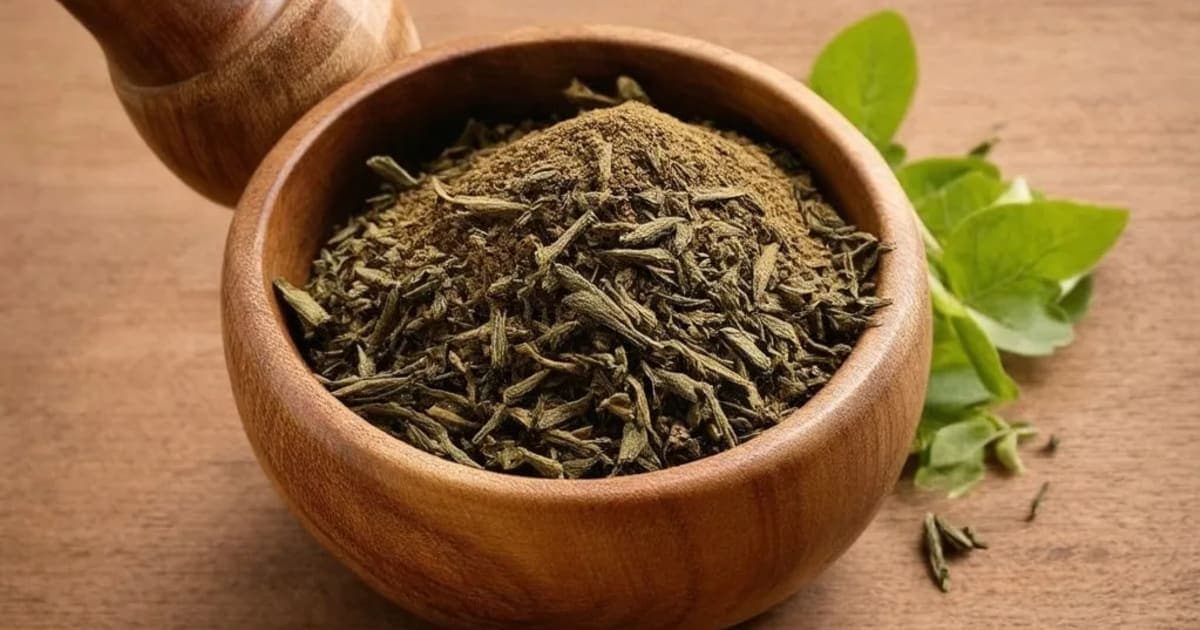
Priyala (Chironji): Nourishing the Body, Cooling the Mind, and Balancing Vata-Pitta
Expert Reviewed
Reviewed by AyurvedicUpchar Editorial Team
What is Priyala in Ayurveda?
Priyala, the seed of the Buchanania lanzan tree commonly known as Chironji, is a cooling, nourishing herb used to pacify Vata and Pitta doshas while building strength. Unlike many herbs that require complex extraction, Priyala is often enjoyed directly as a food-grade remedy, offering immediate relief for dryness, heat, and anxiety.
In the classical texts, specifically the Bhavaprakash Nighantu, Priyala is described as Snigdha (unctuous) and Sheeta (cooling), making it a favorite for those suffering from burning sensations or dry skin. The seed has a distinct, nutty aroma and a sweet, slightly bitter taste that lingers pleasantly on the tongue. When chewed fresh, it feels heavy and oily in the mouth, a sensory clue to its deep tissue-building capabilities.
Ancient practitioners valued this herb not just for its flavor but for its ability to anchor a scattered mind. A grandmother's wisdom often suggests chewing a few seeds in the morning to settle racing thoughts before a busy day, or mixing the powder with warm milk and honey to soothe an irritated stomach.
How does Priyala balance the three doshas?
Priyala primarily balances Vata and Pitta doshas by providing heavy, cooling, and sweet nourishment that counters dryness, heat, and agitation. Its heavy and oily nature grounds the erratic energy of Vata, while its cooling potency soothes the inflammatory fire of Pitta.
However, those with a dominant Kapha constitution should exercise caution. Because the herb is heavy and sweet, eating too many seeds can lead to sluggish digestion, congestion, or unwanted weight gain. If you already feel heavy or lethargic, it is best to avoid Priyala or use it only in very small amounts with digestive spices like ginger or black pepper.
You might need Priyala if you experience the classic signs of Vata imbalance: dry, cracked skin, joint stiffness, constipation, or a feeling of coldness even in warm weather. It is equally useful for Pitta symptoms like heartburn, skin rashes, or irritability. The herb works by physically adding moisture and cooling energy to the system, rather than just masking symptoms.
What are the specific Ayurvedic properties of Priyala?
The therapeutic action of Priyala is defined by its five core properties, which explain why it is so effective for building tissue and calming inflammation. These properties determine how the herb moves through your digestive system and interacts with your body's tissues.
| Property (Sanskrit) | Value | What it means for your body |
|---|---|---|
| Rasa (Taste) | Madhura (Sweet) | Nourishing, builds tissues, calms the mind, and provides immediate energy. |
| Guna (Quality) | Guru, Snigdha | Heavy and Oily; this ensures the herb stays in the digestive tract longer to deeply nourish. |
| Virya (Potency) | Sheeta (Cold) | Cooling; it actively reduces body heat, inflammation, and burning sensations. |
| Vipaka (Post-digestive) | Madhura (Sweet) | The final metabolic effect is sweet, promoting long-term tissue growth and stability. |
These properties combine to make Priyala a rejuvenative for the reproductive and nervous systems. It is one of the few herbs that can simultaneously cool the blood and strengthen the nerves.
How is Priyala traditionally used for health?
Priyala is traditionally consumed as a raw snack, ground into a paste for skin application, or blended into milk and sweets to treat weakness and heat. The seeds are small, almond-like, and can be eaten whole after roasting lightly to enhance their digestibility.
For internal use, many families mix a teaspoon of crushed Priyala powder with warm milk and a little ghee before bed to improve sleep and nourish the bones. For skin issues like burns or rashes, a paste made from the seeds and rose water is applied directly to the affected area to cool the heat and reduce redness. The oil extracted from the seeds is also used in Ayurvedic massages to relieve joint pain and dry skin.
It is important to note that while Priyala is a food, its medicinal potency is significant. The Charaka Samhita highlights its role in formulations designed to treat Kshaya (wasting diseases) and Daha (burning sensations), proving its dual role as both food and medicine.
Practical tips for daily use
- For Anxiety: Chew 5-7 seeds slowly in the morning to ground your energy.
- For Skin: Grind seeds into a fine powder and mix with honey for a cooling face mask.
- For Digestion: If you have a slow metabolism, add a pinch of black pepper to the seeds to prevent Kapha accumulation.
Frequently Asked Questions about Priyala
Does Priyala increase body heat?
No, Priyala is a cooling herb with Sheeta Virya (cold potency) that actively reduces body heat and inflammation, making it ideal for Pitta imbalances.
Can I eat Priyala seeds every day?
Yes, most people can eat a small handful (about 10-15 seeds) daily, but those with a Kapha constitution or slow digestion should limit intake to avoid congestion.
Is Priyala good for dry skin?
Yes, its heavy and oily nature (Snigdha Guna) deeply moisturizes the skin from within, making it excellent for treating dryness, cracks, and roughness.
What is the best way to consume Priyala for sleep?
Grind the seeds into a powder and mix with warm milk and a teaspoon of ghee before bedtime to calm the nervous system and promote restful sleep.
Disclaimer: This content is for educational purposes only and does not constitute medical advice. Always consult with a qualified Ayurvedic practitioner or healthcare provider before starting any new herbal regimen, especially if you are pregnant, nursing, or taking medication.
Frequently Asked Questions
What is Priyala used for in Ayurveda?
Priyala is primarily used as a Reproductive Tonic and Brimhaniya in Ayurvedic medicine. Buchanania lanzan (Chironji) nuts are aphrodisiac and highly nourishing, pacifying Vata and Pitta. It pacifies Vata, Pitta dosha.
How should I take Priyala?
Priyala can be taken as powder (1/2-1 tsp with warm water or milk), decoction (boil 1 tsp in water), or tablets (1-2 daily). Always start with a low dose and consult an Ayurvedic practitioner for personalized guidance.
Is Priyala safe during pregnancy?
Pregnant and nursing women should not take Priyala without consulting their doctor first. Most Ayurvedic herbs require medical supervision during pregnancy.
Which dosha does Priyala balance?
Priyala pacifies Vata, Pitta. Excessive use may increase Kapha dosha.
Can I take Priyala daily?
Priyala can be taken daily in recommended doses for 4-8 weeks. After that, take a 2-week break before resuming. Long-term use should be supervised by a qualified Ayurvedic practitioner.
What are the side effects of Priyala?
When taken in recommended doses, Priyala is generally safe. Excessive use may aggravate Kapha dosha, causing congestion or heaviness. Stop use if you experience any adverse reaction.
Related Articles
The Timeless Benefits of Triphala: An Ayurvedic Powerhouse
Discover the transformative benefits of Triphala, an ancient Ayurvedic blend of three fruits that supports digestion, immunity, weight management, and overall vitality.
5 min read
The Divine Benefits of Tulsi (Holy Basil) in Ayurveda
Discover the sacred benefits of Tulsi (Holy Basil) in Ayurveda. From boosting immunity and reducing stress to supporting heart health and digestion, learn how this divine herb can transform your well-being.
4 min read
The Remarkable Benefits of Giloy: An Ayurvedic Powerhouse
Discover the profound health benefits of Giloy, the Ayurvedic 'root of immortality.' Learn how this powerful herb boosts immunity, manages diabetes, improves digestion, and supports skin, hair, and bone health.
5 min read
The Remarkable Benefits of Ashwagandha: An Ayurvedic Perspective
Discover the ancient wisdom of Ashwagandha, a powerful Ayurvedic adaptogen known for reducing stress, boosting immunity, improving sleep, and enhancing physical strength.
4 min read
Brihatyadi Kashayam: Natural Relief for Urinary Tract Disorders and Cystitis
Brihatyadi Kashayam is a cooling Ayurvedic decoction that targets urinary burning and cystitis by balancing Vata and Pitta. Unlike standard teas, this concentrated liquid extract is specifically designed to reduce inflammation in the bladder lining while flushing out toxins.
5 min read
Asphota: Ayurvedic Brain Tonic, Calming Herb & Blood Purifier
Often overlooked, Asphota is a cooling, bitter herb that acts as a gentle brain tonic and blood purifier. While it shares traits with the popular Aparajita, its unique astringent quality makes it particularly effective for stopping bleeding and soothing inflamed tissues.
6 min read
References & Sources
This article is based on principles from classical Ayurvedic texts including Charaka Samhita, Sushruta Samhita, and Ashtanga Hridaya. Content has been reviewed for accuracy by our editorial team. For specific medical conditions, always consult a qualified Ayurvedic practitioner or healthcare provider.
- • Charaka Samhita (चरक संहिता)
- • Sushruta Samhita (सुश्रुत संहिता)
- • Ashtanga Hridaya (अष्टांग हृदय)
Found an error in this article? Let us know