
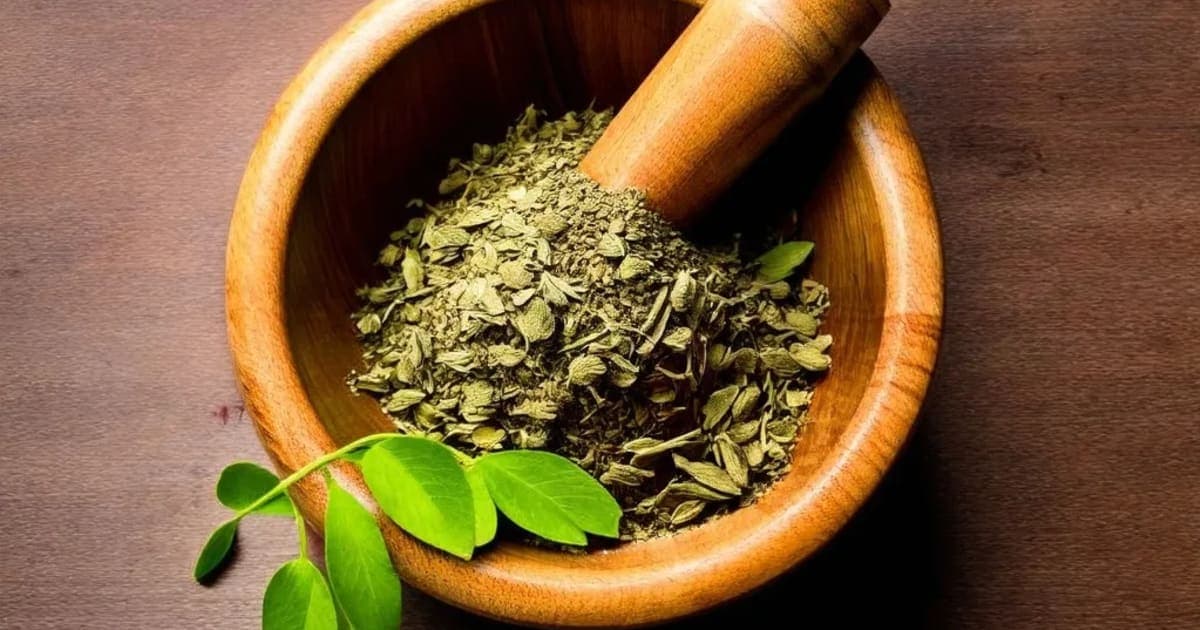
Prishniparni: The Rare Tridosha Herb for Fracture Healing and Strength
Expert Reviewed
Reviewed by AyurvedicUpchar Editorial Team
What is Prishniparni?
Prishniparni (Uraria picta) is a rare Tridosha-balancing herb in Ayurveda, celebrated specifically for its ability to accelerate fracture healing and restore physical strength. Unlike many potent medicines that suit only specific body types, this root works harmoniously for Vata, Pitta, and Kapha constitutions alike. You will often find it as the star ingredient in Dashamoola formulations, where its spotted leaves and deep purple flowers signal a powerful capacity to rebuild tissue.
Classical texts like the Charaka Samhita (Sutra Sthana) list Prishniparni among the most vital tonics for restoring vitality after illness or injury. The herb tastes sweet and slightly bitter, a combination that nourishes the body while gently cleansing the blood. When you chew the fresh root or drink it boiled in milk, the warming energy penetrates deep into the bones, soothing pain and reducing inflammation without aggravating acidity.
What are the Ayurvedic properties of Prishniparni?
The Ayurvedic properties of Prishniparni define exactly how it interacts with your physiology, acting as a heavy, heating tonic that builds mass and improves digestion. In Dravyaguna Shastra, the science of Ayurvedic pharmacology, every herb is mapped by five key characteristics that determine its therapeutic outcome. Understanding these values helps you predict how Prishniparni will feel in your body and why it is so effective for recovery.
| Property (Sanskrit) | Value | What it means for your body |
|---|---|---|
| Rasa (Taste) | Madhura (Sweet), Tikta (Bitter) | Sweetness builds tissue and calms the mind; bitterness detoxifies blood and reduces excess heat. |
| Guna (Quality) | Guru (Heavy) | Provides grounding stability and slows down rapid metabolic processes, ideal for weight gain. |
| Virya (Potency) | Ushna (Heating) | Stimulates digestive fire (Agni) and circulation, helping the body absorb nutrients efficiently. |
| Vipaka (Post-digestive) | Madhura (Sweet) | Leaves a nourishing, building residue in the tissues long after digestion is complete. |
Which doshas does Prishniparni balance?
Prishniparni is one of the few herbs that balances all three doshas simultaneously, making it exceptionally safe for daily use regardless of your constitution. Most herbs pacify one or two doshas while risking an imbalance in the third, but Prishniparni's unique chemical profile avoids this trap entirely. Whether you are a Vata type needing grounding, a Pitta type needing cooling nourishment, or a Kapha type needing gentle stimulation, this herb adapts to your needs.
This Tridosha effect makes it a cornerstone in formulations designed for general weakness or recovery. Grandmothers in rural India often boil the fresh leaves with a pinch of black pepper to create a simple tea for children who are failing to thrive or gaining weight too slowly. Because it does not aggravate any single energy center, it serves as a reliable daily tonic for long-term health maintenance.
How do you know if you need Prishniparni?
You likely need Prishniparni if you are recovering from a bone fracture, suffering from chronic joint pain, or struggling to gain healthy weight despite eating well. It is also the go-to remedy for new mothers needing to rebuild strength after childbirth or for anyone experiencing deep fatigue that sleep does not fix. If your body feels brittle, depleted, or unable to hold onto muscle mass, this root offers the specific building blocks required for repair.
Frequently Asked Questions
What is Prishniparni used for in Ayurveda?
Ayurvedic practitioners primarily use Prishniparni to heal fractures, strengthen weak bones, and treat chronic joint pain. It is also a key ingredient in formulations designed to help underweight individuals gain muscle mass and improve overall vitality.
Can I take Prishniparni daily?
Yes, because Prishniparni balances all three doshas, it is generally safe for daily consumption as a tonic. However, the dosage depends on your age and health status, so it is best to consult an Ayurvedic practitioner for a personalized plan.
Does Prishniparni have any side effects?
Prishniparni is considered very safe with no known severe side effects when taken in recommended doses. Since it has a heating potency (Ushna Virya), individuals with extreme Pitta conditions like high fever or severe acid reflux should monitor their response or take it with cooling carriers like ghee.
How is Prishniparni different from Ashwagandha?
While both herbs build strength, Ashwagandha is more sedating and focuses on the nervous system, whereas Prishniparni specifically targets bone healing and muscle tissue. Prishniparni is often preferred for actual fracture repair, while Ashwagandha is chosen for stress and nerve-related weakness.
Frequently Asked Questions
What is Prishniparni used for in Ayurveda?
Prishniparni is primarily used as a Strength Promoter and Reproductive Tonic in Ayurvedic medicine. A member of the Dashamoola group, Uraria picta is a tonic that balances all three doshas and supports fracture healing. It pacifies tridosha dosha.
How should I take Prishniparni?
Prishniparni can be taken as powder (1/2-1 tsp with warm water or milk), decoction (boil 1 tsp in water), or tablets (1-2 daily). Always start with a low dose and consult an Ayurvedic practitioner for personalized guidance.
Is Prishniparni safe during pregnancy?
Pregnant and nursing women should not take Prishniparni without consulting their doctor first. Most Ayurvedic herbs require medical supervision during pregnancy.
Which dosha does Prishniparni balance?
Prishniparni pacifies tridosha and is one of the rare Tridosha herbs that balances all three doshas.
Can I take Prishniparni daily?
Prishniparni can be taken daily in recommended doses for 4-8 weeks. After that, take a 2-week break before resuming. Long-term use should be supervised by a qualified Ayurvedic practitioner.
What are the side effects of Prishniparni?
When taken in recommended doses, Prishniparni is generally safe. Overconsumption may cause digestive discomfort. Stop use if you experience any adverse reaction.
Related Articles
The Timeless Benefits of Triphala: An Ayurvedic Powerhouse
Discover the transformative benefits of Triphala, an ancient Ayurvedic blend of three fruits that supports digestion, immunity, weight management, and overall vitality.
5 min read
The Divine Benefits of Tulsi (Holy Basil) in Ayurveda
Discover the sacred benefits of Tulsi (Holy Basil) in Ayurveda. From boosting immunity and reducing stress to supporting heart health and digestion, learn how this divine herb can transform your well-being.
4 min read
The Remarkable Benefits of Giloy: An Ayurvedic Powerhouse
Discover the profound health benefits of Giloy, the Ayurvedic 'root of immortality.' Learn how this powerful herb boosts immunity, manages diabetes, improves digestion, and supports skin, hair, and bone health.
5 min read
The Remarkable Benefits of Ashwagandha: An Ayurvedic Perspective
Discover the ancient wisdom of Ashwagandha, a powerful Ayurvedic adaptogen known for reducing stress, boosting immunity, improving sleep, and enhancing physical strength.
4 min read
Brihatyadi Kashayam: Natural Relief for Urinary Tract Disorders and Cystitis
Brihatyadi Kashayam is a cooling Ayurvedic decoction that targets urinary burning and cystitis by balancing Vata and Pitta. Unlike standard teas, this concentrated liquid extract is specifically designed to reduce inflammation in the bladder lining while flushing out toxins.
5 min read
Asphota: Ayurvedic Brain Tonic, Calming Herb & Blood Purifier
Often overlooked, Asphota is a cooling, bitter herb that acts as a gentle brain tonic and blood purifier. While it shares traits with the popular Aparajita, its unique astringent quality makes it particularly effective for stopping bleeding and soothing inflamed tissues.
6 min read
References & Sources
This article is based on principles from classical Ayurvedic texts including Charaka Samhita, Sushruta Samhita, and Ashtanga Hridaya. Content has been reviewed for accuracy by our editorial team. For specific medical conditions, always consult a qualified Ayurvedic practitioner or healthcare provider.
- • Charaka Samhita (चरक संहिता)
- • Sushruta Samhita (सुश्रुत संहिता)
- • Ashtanga Hridaya (अष्टांग हृदय)
Found an error in this article? Let us know