
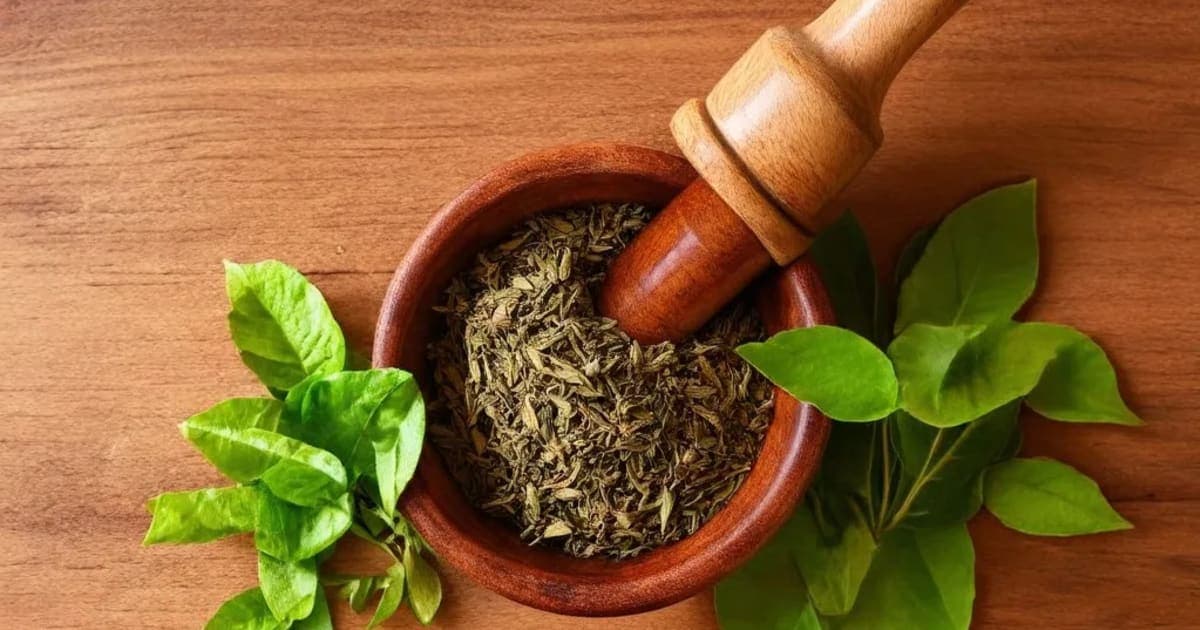
Prativisha Benefits: Ancient Ayurvedic Remedy for Fever and Digestion
Expert Reviewed
Reviewed by AyurvedicUpchar Editorial Team
What is Prativisha in Ayurveda?
Prativisha is a warming, bitter-tasting herb from the Aconitum family, historically used in Ayurveda to treat fevers and strengthen digestion without the toxicity of its close relatives. While often confused with the more potent Ativisha, Prativisha is specifically valued for its ability to clear heat and purify the blood safely when prepared correctly. The Charaka Samhita, Sutra Sthana, lists this herb as a key Dravya (medicinal substance) for managing conditions where excess heat and toxins accumulate in the body.
Unlike modern supplements that promise a cure-all, Prativisha works by aligning with the body's natural rhythms. When you taste its sharp bitterness, you are experiencing the Tikta Rasa, which acts as a cooling agent for the blood despite the herb's heating energy. This paradox is common in Ayurveda: a substance can generate heat (Ushna Virya) to ignite digestion while simultaneously reducing the fiery intensity of Pitta dosha through its bitter profile.
A quotable fact for your records: "Prativisha is unique among heating herbs because its bitter taste allows it to reduce inflammation while simultaneously stoking the digestive fire."
How do the Ayurvedic properties of Prativisha work?
The therapeutic action of Prativisha is determined by five specific properties that dictate how it moves through your tissues. These characteristics explain why the herb feels warming on the tongue yet cools internal inflammation. Understanding this pharmacological profile is essential before adding it to your routine, as the interaction between taste, potency, and post-digestive effect drives its healing power.
| Property (Sanskrit) | Value | What it means for your body |
|---|---|---|
| Rasa (Taste) | Tikta (Bitter) | Detoxifies blood, reduces Pitta, and clears skin impurities |
| Guna (Quality) | Laghu, Ruksha (Light, Dry) | Penetrates deep into tissues quickly and dries up excess moisture |
| Virya (Potency) | Ushna (Hot) | Stimulates Agni (digestive fire) and improves circulation |
| Vipaka (Post-digestive) | Katu (Pungent) | Creates a lingering warming effect that aids metabolism after digestion |
Which doshas does Prativisha balance or aggravate?
Prativisha primarily pacifies Pitta and Kapha doshas, making it an excellent choice for those suffering from heat-related disorders or sluggish digestion caused by dampness. By reducing excess Kapha, it clears congestion, while its bitter nature cools the burning sensations associated with elevated Pitta. However, because it is light, dry, and heating, it can aggravate Vata dosha if used in excess or by those with a naturally dry constitution.
People with high Vata should approach this herb with caution. If you already experience dry skin, constipation, or anxiety, taking Prativisha without a balancing oil or fat base (like ghee) may worsen these symptoms. The Bhavaprakash Nighantu warns that while Prativisha is powerful for clearing toxins, its drying quality can deplete the body's natural lubrication if not paired with nourishing foods.
When should you consider using Prativisha?
You might need Prativisha if you frequently suffer from low-grade fevers, chronic skin rashes, or a burning sensation in the stomach. These are classic signs of accumulated heat and toxins that the herb is designed to resolve. In a traditional household, a grandmother might prepare a mild decoction of Prativisha powder mixed with honey and water at the first sign of a summer fever to break the cycle of heat before it spreads.
Another practical application involves using the fresh leaves (when available and properly identified) or the root powder in a paste applied to the forehead to reduce fever-induced headaches. The scent is sharp and earthy, reminiscent of dried roots, which signals its potency in clearing the head and sinuses.
How is Prativisha traditionally used for health?
Traditional usage of Prativisha focuses on low doses of the dried root powder mixed with warm water or honey to treat fevers and digestive stagnation. The herb is rarely eaten raw due to its potency; instead, it is often processed through specific Ayurvedic purification methods (Shodhana) to ensure safety and efficacy. A common home remedy involves mixing a pinch of the powder with a teaspoon of ghee to counteract its drying Vata-aggravating effects while targeting the digestive tract.
For skin conditions, a paste made from Prativisha and rose water is applied to acne or inflammatory rashes. The cooling effect of the rose water tempers the herb's internal heat, allowing the bitter properties to draw out toxins from the skin surface. Always consult a qualified Ayurvedic practitioner before self-medicating, as the line between therapeutic dose and toxicity is narrow with Aconitum species.
Frequently Asked Questions about Prativisha
Is Prativisha safe to take daily?
Prativisha is generally not intended for long-term daily use without supervision due to its heating potency and potential to aggravate Vata. It is best used as a short-term remedy for acute fevers, digestive blockages, or seasonal detoxification under the guidance of an Ayurvedic practitioner.
What is the difference between Prativisha and Ativisha?
While both herbs come from the Aconitum genus and share similar bitter properties, Prativisha is considered less toxic and is often used as a safer alternative for treating fever and mild digestive issues. Ativisha is typically reserved for more severe conditions and requires stricter purification protocols.
Can Prativisha help with skin problems?
Yes, Prativisha is effective for skin issues like acne, rashes, and boils because its bitter taste purifies the blood and reduces Pitta-related inflammation. It is often applied topically as a paste or taken internally to clear toxins from the skin.
Disclaimer: This article is for educational purposes only and does not constitute medical advice. Prativisha belongs to the Aconitum family, which contains toxic alkaloids. Always consult a qualified healthcare provider or Ayurvedic practitioner before using this herb, especially if you are pregnant, nursing, or taking other medications. Incorrect preparation or dosage can be dangerous.
Frequently Asked Questions
What is Prativisha used for in Ayurveda?
Prativisha is primarily used as a Appetite Stimulant and Antipyretic in Ayurvedic medicine. Aconitum palmatum is a non-toxic variety of Aconite, used as an alternative to Ativisha for fever and digestion. It pacifies Pitta, Kapha dosha.
How should I take Prativisha?
Prativisha can be taken as powder (1/2-1 tsp with warm water or milk), decoction (boil 1 tsp in water), or tablets (1-2 daily). Always start with a low dose and consult an Ayurvedic practitioner for personalized guidance.
Is Prativisha safe during pregnancy?
Pregnant and nursing women should not take Prativisha without consulting their doctor first. Most Ayurvedic herbs require medical supervision during pregnancy.
Which dosha does Prativisha balance?
Prativisha pacifies Pitta, Kapha. Excessive use may increase Vata dosha.
Can I take Prativisha daily?
Prativisha can be taken daily in recommended doses for 4-8 weeks. After that, take a 2-week break before resuming. Long-term use should be supervised by a qualified Ayurvedic practitioner.
What are the side effects of Prativisha?
When taken in recommended doses, Prativisha is generally safe. Excessive use may aggravate Vata dosha, causing gas or bloating. Stop use if you experience any adverse reaction.
Related Articles
The Timeless Benefits of Triphala: An Ayurvedic Powerhouse
Discover the transformative benefits of Triphala, an ancient Ayurvedic blend of three fruits that supports digestion, immunity, weight management, and overall vitality.
5 min read
The Divine Benefits of Tulsi (Holy Basil) in Ayurveda
Discover the sacred benefits of Tulsi (Holy Basil) in Ayurveda. From boosting immunity and reducing stress to supporting heart health and digestion, learn how this divine herb can transform your well-being.
4 min read
The Remarkable Benefits of Giloy: An Ayurvedic Powerhouse
Discover the profound health benefits of Giloy, the Ayurvedic 'root of immortality.' Learn how this powerful herb boosts immunity, manages diabetes, improves digestion, and supports skin, hair, and bone health.
5 min read
The Remarkable Benefits of Ashwagandha: An Ayurvedic Perspective
Discover the ancient wisdom of Ashwagandha, a powerful Ayurvedic adaptogen known for reducing stress, boosting immunity, improving sleep, and enhancing physical strength.
4 min read
Brihatyadi Kashayam: Natural Relief for Urinary Tract Disorders and Cystitis
Brihatyadi Kashayam is a cooling Ayurvedic decoction that targets urinary burning and cystitis by balancing Vata and Pitta. Unlike standard teas, this concentrated liquid extract is specifically designed to reduce inflammation in the bladder lining while flushing out toxins.
5 min read
Asphota: Ayurvedic Brain Tonic, Calming Herb & Blood Purifier
Often overlooked, Asphota is a cooling, bitter herb that acts as a gentle brain tonic and blood purifier. While it shares traits with the popular Aparajita, its unique astringent quality makes it particularly effective for stopping bleeding and soothing inflamed tissues.
6 min read
References & Sources
This article is based on principles from classical Ayurvedic texts including Charaka Samhita, Sushruta Samhita, and Ashtanga Hridaya. Content has been reviewed for accuracy by our editorial team. For specific medical conditions, always consult a qualified Ayurvedic practitioner or healthcare provider.
- • Charaka Samhita (चरक संहिता)
- • Sushruta Samhita (सुश्रुत संहिता)
- • Ashtanga Hridaya (अष्टांग हृदय)
Found an error in this article? Let us know