
Plaksha: Stops Bleeding, Heals Ulcers & Cools Pitta Naturally
Expert Reviewed
Reviewed by AyurvedicUpchar Editorial Team
What is Plaksha and why do Ayurvedic doctors use it?
Plaksha is a cooling Fig tree bark used in Ayurveda primarily to stop bleeding (stambhana) and heal stubborn ulcers. Unlike many herbs that act slowly, Plaksha works quickly to dry up excess fluids and seal wounds, making it a go-to remedy for bleeding disorders and inflamed tissues. You will often find this herb mentioned in the Charaka Samhita, where it is revered as one of the five great trees (Pancha Valkala) essential for treating skin and blood conditions.
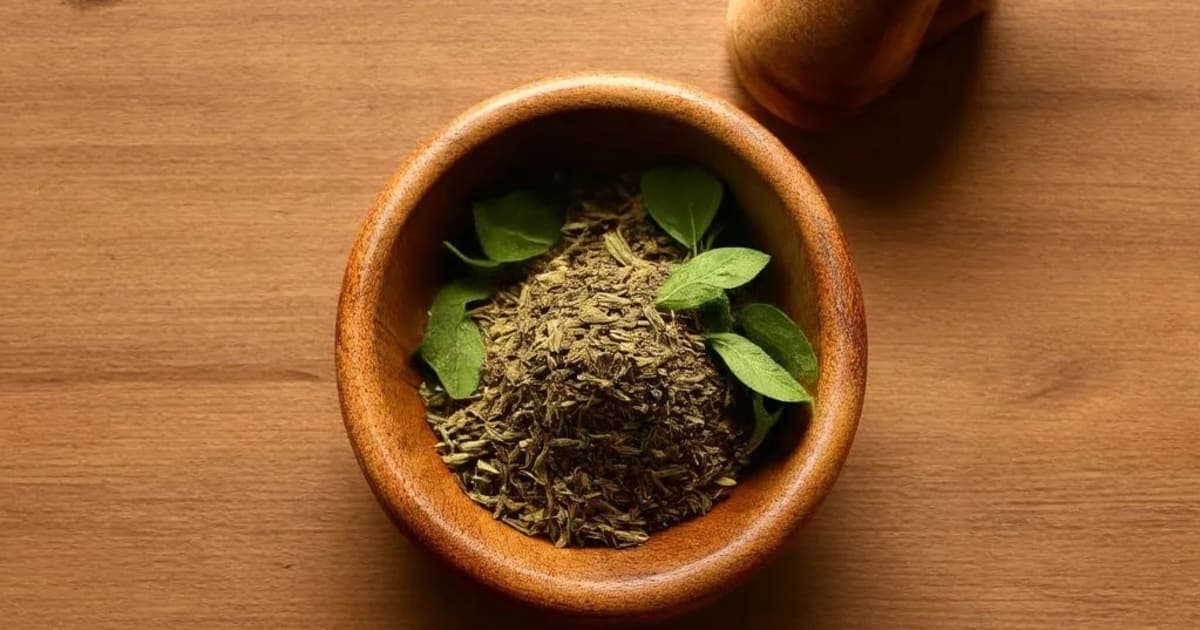
When you hold the dried bark of Plaksha, it feels rough and dry to the touch, a physical clue to its healing nature. In the mouth, it tastes distinctly astringent, leaving a puckering sensation similar to unripe banana or strong black tea. This specific taste profile signals its ability to tighten tissues, which is why grandmothers in rural India have long used a simple decoction of this bark to rinse mouths bleeding from gum disease or to wash slow-healing cuts.
What are the Ayurvedic properties of Plaksha?
The Ayurvedic classification of Plaksha reveals exactly how this herb interacts with your body's tissues and digestion. By understanding its specific energy profile, you can see why it excels at drying up excess moisture and cooling inflammation without adding heat to the system.
| Property (Sanskrit) | Value | What it means for your body |
|---|---|---|
| Rasa (Taste) | Kashaya (Astringent) | Drying and healing; tightens tissues to stop bleeding and discharge. |
| Guna (Quality) | Guru, Ruksha (Heavy, Dry) | Provides stability and absorbs excess fluid or oil in the tissues. |
| Virya (Potency) | Sheeta (Cooling) | Directly reduces heat, inflammation, and burning sensations in the body. |
| Vipaka (Post-digestive) | Katu (Pungent) | After digestion, it retains a penetrating quality that helps clear blockages. |
| Prabhava (Special Effect) | Vrana Ropana | Specifically promotes rapid healing of wounds and ulcers. |
This unique combination of heavy, dry, and cooling qualities makes Plaksha a logical choice for conditions where the body feels too hot, too wet, or is leaking fluids it should be holding. The post-digestive pungency ensures that while it stops bleeding, it does not leave stagnation behind.
Which doshas does Plaksha balance?
Plaksha primarily pacifies Pitta and Kapha doshas due to its cooling and drying nature. If you suffer from conditions driven by excess heat or fluid retention, such as acid reflux, skin rashes, or weeping eczema, this herb helps restore balance by absorbing that excess moisture and lowering internal temperature.
However, you must use caution if you have a Vata constitution or are currently experiencing Vata imbalance. Because Plaksha is so drying and heavy, overuse can aggravate Vata, leading to increased gas, dry skin, constipation, or a feeling of ungrounded anxiety. A skilled practitioner will often mix Plaksha with a little ghee or licorice (Yashtimadhu) to buffer these drying effects when treating a Vata-dominant person.
How do you know if you need Plaksha?
You likely need Plaksha if you experience frequent nosebleeds, bleeding gums, heavy menstrual flow, or non-healing ulcers that feel hot to the touch. These symptoms indicate that your Pitta (heat) has become so intense it is damaging the blood vessels, or your Kapha (fluids) is leaking where it should be contained. The herb's astringent power acts like a natural styptic, tightening the tissues to stop the flow while its cooling energy soothes the underlying irritation.
What are the main health benefits of Plaksha?
The primary therapeutic action of Plaksha is Vrana Ropana, or wound healing, alongside its ability to stop bleeding (Rakta Stambhana). Classical texts like the Bhavaprakash Nighantu highlight its use in formulations designed to treat deep ulcers, particularly those in the mouth, stomach, or genital regions that refuse to heal with standard care.
In practical terms, people use Plaksha bark powder mixed with honey to treat mouth ulcers that make eating painful. For skin issues, a fine paste of the bark applied directly to weeping wounds or infected cuts helps dry out the infection and speed up the formation of new skin. It is also a common ingredient in Ayurvedic washes for leucorrhea or excessive urinary discharge, as its drying quality helps normalize fluid secretion without harsh chemicals.
Frequently Asked Questions
Is Plaksha safe to take daily?
Plaksha is generally safe for short-term use to treat specific issues like bleeding or ulcers but is not typically taken daily as a general tonic. Due to its drying nature, long-term daily use can aggravate Vata dosha, causing dryness and digestive discomfort.
Can Plaksha help with acne?
Yes, Plaksha can help with acne, especially types that are inflamed, red, or oozing fluid. Its cooling and drying properties reduce the heat and moisture that feed bacterial growth, while promoting faster healing of the skin.
How is Plaksha different from other Fig species?
While many Fig species share cooling properties, Plaksha (Ficus religiosa or related species depending on region) is uniquely valued for its strong astringency and specific action on stopping bleeding. Other figs like Udumbara are often preferred for strengthening, whereas Plaksha is the specialist for sealing wounds.
Frequently Asked Questions
What is Plaksha used for in Ayurveda?
Plaksha is primarily used as a Raktastambhana and Vranaropana in Ayurvedic medicine. A species of Fig tree, its bark is used for bleeding disorders, ulcers, and to pacify Pitta and Kapha. It pacifies Pitta, Kapha dosha.
How should I take Plaksha?
Plaksha can be taken as powder (1/2-1 tsp with warm water or milk), decoction (boil 1 tsp in water), or tablets (1-2 daily). Always start with a low dose and consult an Ayurvedic practitioner for personalized guidance.
Is Plaksha safe during pregnancy?
Pregnant and nursing women should not take Plaksha without consulting their doctor first. Most Ayurvedic herbs require medical supervision during pregnancy.
Which dosha does Plaksha balance?
Plaksha pacifies Pitta, Kapha. Excessive use may increase Vata dosha.
Can I take Plaksha daily?
Plaksha can be taken daily in recommended doses for 4-8 weeks. After that, take a 2-week break before resuming. Long-term use should be supervised by a qualified Ayurvedic practitioner.
What are the side effects of Plaksha?
When taken in recommended doses, Plaksha is generally safe. Excessive use may aggravate Vata dosha, causing gas or bloating. Stop use if you experience any adverse reaction.
Related Articles
The Timeless Benefits of Triphala: An Ayurvedic Powerhouse
Discover the transformative benefits of Triphala, an ancient Ayurvedic blend of three fruits that supports digestion, immunity, weight management, and overall vitality.
5 min read
The Divine Benefits of Tulsi (Holy Basil) in Ayurveda
Discover the sacred benefits of Tulsi (Holy Basil) in Ayurveda. From boosting immunity and reducing stress to supporting heart health and digestion, learn how this divine herb can transform your well-being.
4 min read
The Remarkable Benefits of Giloy: An Ayurvedic Powerhouse
Discover the profound health benefits of Giloy, the Ayurvedic 'root of immortality.' Learn how this powerful herb boosts immunity, manages diabetes, improves digestion, and supports skin, hair, and bone health.
5 min read
The Remarkable Benefits of Ashwagandha: An Ayurvedic Perspective
Discover the ancient wisdom of Ashwagandha, a powerful Ayurvedic adaptogen known for reducing stress, boosting immunity, improving sleep, and enhancing physical strength.
4 min read
Brihatyadi Kashayam: Natural Relief for Urinary Tract Disorders and Cystitis
Brihatyadi Kashayam is a cooling Ayurvedic decoction that targets urinary burning and cystitis by balancing Vata and Pitta. Unlike standard teas, this concentrated liquid extract is specifically designed to reduce inflammation in the bladder lining while flushing out toxins.
5 min read
Asphota: Ayurvedic Brain Tonic, Calming Herb & Blood Purifier
Often overlooked, Asphota is a cooling, bitter herb that acts as a gentle brain tonic and blood purifier. While it shares traits with the popular Aparajita, its unique astringent quality makes it particularly effective for stopping bleeding and soothing inflamed tissues.
6 min read
References & Sources
This article is based on principles from classical Ayurvedic texts including Charaka Samhita, Sushruta Samhita, and Ashtanga Hridaya. Content has been reviewed for accuracy by our editorial team. For specific medical conditions, always consult a qualified Ayurvedic practitioner or healthcare provider.
- • Charaka Samhita (चरक संहिता)
- • Sushruta Samhita (सुश्रुत संहिता)
- • Ashtanga Hridaya (अष्टांग हृदय)
Found an error in this article? Let us know