
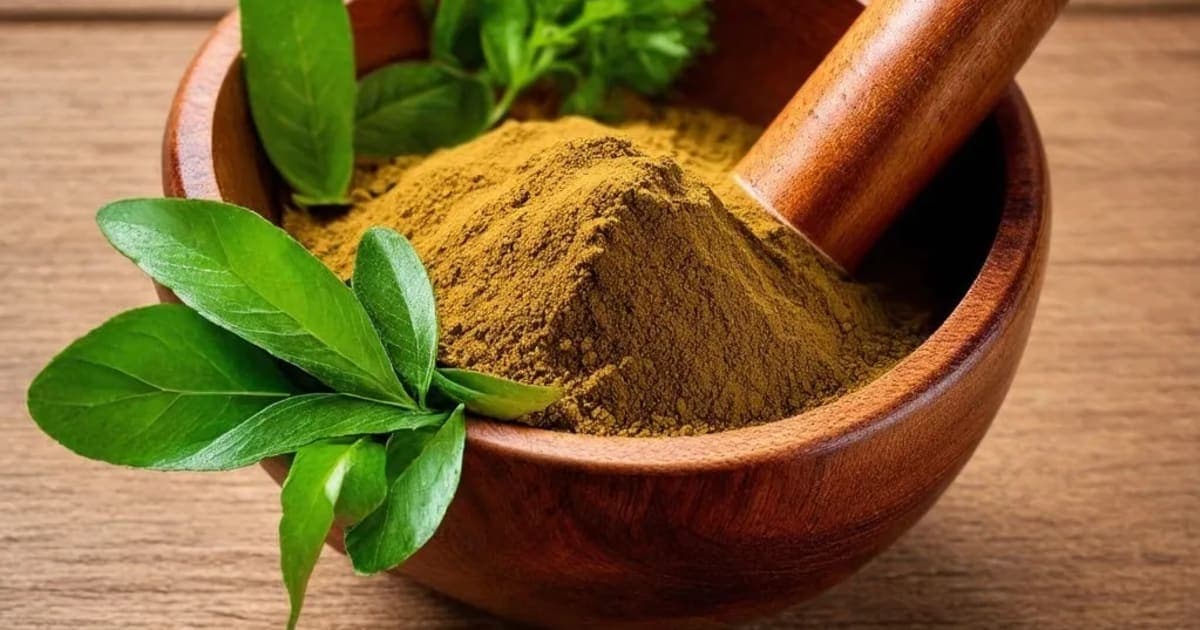
Pinda Thailam: Cooling Relief for Gout, Arthritis & Pitta Inflammation
Expert Reviewed
Reviewed by AyurvedicUpchar Editorial Team
What is Pinda Thailam and how does it work?
Pinda Thailam is a specialized cooling oil blend in Ayurveda designed to instantly soothe the burning pain of gout, Pitta-type arthritis, and inflammatory skin conditions. Unlike standard massage oils that might generate heat, this preparation relies on a specific combination of herbs infused in a sesame or coconut base to draw out excess heat from the joints and tissues.
When applied to inflamed skin or swollen joints, the oil feels distinctly cool and penetrating, offering immediate relief from the sharp, stinging sensations characteristic of high Pitta. Classical texts like the Charaka Samhita classify this formulation under cooling therapies (Sheeta Virya), noting its unique ability to calm the "fire" of inflammation without suppressing the body's natural digestive fire.
One key fact to remember: Pinda Thailam is not a general moisturizer; it is a targeted therapeutic agent used specifically when the body feels too hot, angry, or inflamed. A grandmother in Kerala might tell you that if your joints feel like they are on fire, a gentle massage with this oil is the first step to cooling them down.
What are the Ayurvedic properties of Pinda Thailam?
The therapeutic power of Pinda Thailam comes from its specific Ayurvedic fingerprint, which dictates exactly how it interacts with your physiology. It is defined by a Sweet taste (Madhura Rasa) and a Cold potency (Sheeta Virya), making it ideal for reducing acute inflammation and healing irritated tissues.
| Property (Sanskrit) | Value | What it means for your body |
|---|---|---|
| Rasa (Taste) | Madhura | Sweet; provides nourishment, builds tissue, and calms the mind |
| Guna (Quality) | Snigdha | Oily and unctuous; ensures deep penetration into joints and skin |
| Virya (Potency) | Sheeta | Cooling; directly counteracts burning sensations and heat |
| Vipaka (Post-digestive) | Madhura | Sweet; supports long-term tissue repair and stability |
Understanding these properties helps you predict how the oil will behave. Because it is Snigdha (oily), it seeps deep into the Ashaya (tissue spaces) where pain often hides. Because it is Sheeta, it acts like a cool compress that lasts longer than ice, providing sustained relief without the rebound effect of vasoconstriction.
Which dosha does Pinda Thailam balance and aggravate?
Pinda Thailam primarily balances Pitta dosha, making it the go-to remedy for conditions driven by excess heat, acidity, and inflammation. It effectively cools the blood and soothes the nervous system when irritability and physical burning are present.
However, those with a dominant Vata or Kapha constitution must use caution. Because the oil is heavy, cooling, and sweet, excessive application can increase Kapha, leading to sluggish digestion or fluid retention. Similarly, in cold climates or for people with poor circulation, the cooling potency might aggravate Vata, causing stiffness or dryness if not used in moderation.
For a Vata-Kapha individual, Pinda Thailam is best used only during acute flare-ups of heat or inflammation, rather than as a daily maintenance oil. Always observe how your body responds; if you feel heavier or colder after use, reduce the frequency or switch to a warming oil like Mahanarayan Thailam.
How do you use Pinda Thailam for maximum relief?
To get the most from Pinda Thailam, apply a small amount directly to the affected area using gentle, circular motions, avoiding vigorous rubbing which can generate more heat. For gout or hot joints, the oil is best used at room temperature or slightly warmed, never hot, to preserve its cooling properties.
A practical tip: After massaging the oil in, let it sit for 15 to 20 minutes before gently wiping off any excess with a warm cloth. This allows the herbs to penetrate the skin without leaving a greasy residue that might block the pores. You can also apply a thin layer of the oil to the forehead or the back of the neck if you are feeling irritable or overheated from stress.
Do not use this oil if you have a cold, flu, or active infection, as the cooling nature could trap the pathogen in the body. Always consult an Ayurvedic practitioner before combining it with other internal medications.
Frequently Asked Questions
Can Pinda Thailam be used for gout pain?
Yes, Pinda Thailam is highly effective for gout pain because its cooling potency directly reduces the burning sensation and swelling associated with uric acid crystal deposits. It is often applied gently to the big toe or affected joints to provide immediate relief.
Is Pinda Thailam safe for daily use?
It is generally safe for daily use only if you have a Pitta imbalance or live in a hot climate; those with Kapha or Vata dominance should use it sparingly to avoid increasing congestion or coldness in the body.
What is the main difference between Pinda Thailam and regular sesame oil?
While sesame oil is warming and nourishing, Pinda Thailam is specifically formulated with cooling herbs to reduce inflammation, making it the opposite in effect for treating heat-related conditions like arthritis and skin rashes.
Can I apply Pinda Thailam to open wounds?
No, you should avoid applying Pinda Thailam to open wounds or broken skin unless directed by a qualified practitioner, as the heavy oil may trap bacteria and delay healing in acute injuries.
Frequently Asked Questions
What is Pinda Thailam used for in Ayurveda?
Pinda Thailam is primarily used as a Dahashamana and Vatahara in Ayurvedic medicine. A cooling oil used topically to relieve the pain and burning sensation of gout and Pitta-type arthritis. It pacifies Pitta dosha.
How should I take Pinda Thailam?
Pinda Thailam can be taken as powder (1/2-1 tsp with warm water or milk), decoction (boil 1 tsp in water), or tablets (1-2 daily). Always start with a low dose and consult an Ayurvedic practitioner for personalized guidance.
Is Pinda Thailam safe during pregnancy?
Pregnant and nursing women should not take Pinda Thailam without consulting their doctor first. Most Ayurvedic herbs require medical supervision during pregnancy.
Which dosha does Pinda Thailam balance?
Pinda Thailam pacifies Pitta. Excessive use may increase Vata, Kapha dosha.
Can I take Pinda Thailam daily?
Pinda Thailam can be taken daily in recommended doses for 4-8 weeks. After that, take a 2-week break before resuming. Long-term use should be supervised by a qualified Ayurvedic practitioner.
What are the side effects of Pinda Thailam?
When taken in recommended doses, Pinda Thailam is generally safe. Excessive use may aggravate Vata, Kapha dosha, causing gas or bloating. Stop use if you experience any adverse reaction.
Related Articles
The Timeless Benefits of Triphala: An Ayurvedic Powerhouse
Discover the transformative benefits of Triphala, an ancient Ayurvedic blend of three fruits that supports digestion, immunity, weight management, and overall vitality.
5 min read
The Divine Benefits of Tulsi (Holy Basil) in Ayurveda
Discover the sacred benefits of Tulsi (Holy Basil) in Ayurveda. From boosting immunity and reducing stress to supporting heart health and digestion, learn how this divine herb can transform your well-being.
4 min read
The Remarkable Benefits of Giloy: An Ayurvedic Powerhouse
Discover the profound health benefits of Giloy, the Ayurvedic 'root of immortality.' Learn how this powerful herb boosts immunity, manages diabetes, improves digestion, and supports skin, hair, and bone health.
5 min read
The Remarkable Benefits of Ashwagandha: An Ayurvedic Perspective
Discover the ancient wisdom of Ashwagandha, a powerful Ayurvedic adaptogen known for reducing stress, boosting immunity, improving sleep, and enhancing physical strength.
4 min read
Brihatyadi Kashayam: Natural Relief for Urinary Tract Disorders and Cystitis
Brihatyadi Kashayam is a cooling Ayurvedic decoction that targets urinary burning and cystitis by balancing Vata and Pitta. Unlike standard teas, this concentrated liquid extract is specifically designed to reduce inflammation in the bladder lining while flushing out toxins.
5 min read
Asphota: Ayurvedic Brain Tonic, Calming Herb & Blood Purifier
Often overlooked, Asphota is a cooling, bitter herb that acts as a gentle brain tonic and blood purifier. While it shares traits with the popular Aparajita, its unique astringent quality makes it particularly effective for stopping bleeding and soothing inflamed tissues.
6 min read
References & Sources
This article is based on principles from classical Ayurvedic texts including Charaka Samhita, Sushruta Samhita, and Ashtanga Hridaya. Content has been reviewed for accuracy by our editorial team. For specific medical conditions, always consult a qualified Ayurvedic practitioner or healthcare provider.
- • Charaka Samhita (चरक संहिता)
- • Sushruta Samhita (सुश्रुत संहिता)
- • Ashtanga Hridaya (अष्टांग हृदय)
Found an error in this article? Let us know