
Pilu: The Ancient Toothbrush Tree for Oral Health and Digestion
Expert Reviewed
Reviewed by AyurvedicUpchar Editorial Team
What is Pilu and why is it called the toothbrush tree?
Pilu (Salvadora persica) is a pungent, warming herb revered in Ayurveda primarily for its ability to cleanse the mouth, strengthen gums, and stimulate sluggish digestion. You might know it as the "toothbrush tree" because its fibrous twigs have been chewed for centuries to mechanically scrub teeth while releasing medicinal oils that fight bacteria and freshen breath. Unlike modern mouthwashes that mask odors, Pilu works by balancing the oral microbiome through its sharp, penetrating qualities.
When you chew a fresh Pilu twig, the initial taste is sharp and salty, quickly followed by a distinct warmth that spreads across the tongue. This sensation isn't just flavor; it is the herb's Ushna Virya (heating potency) activating your digestive fire. Classical texts like the Bhavaprakash Nighantu describe Pilu as a potent Kapha and Vata pacifier, making it an essential remedy for those struggling with congestion, cold extremities, or slow metabolic rates. However, because it is so heating, those with sensitive stomachs or high Pitta must use it with care.
What are the Ayurvedic properties of Pilu?
The Ayurvedic classification of Pilu reveals exactly how this herb interacts with your tissues, defined by its taste, quality, and post-digestive effect. These properties determine that Pilu is light and sharp, allowing it to penetrate deep into blockages caused by excess mucus or gas. Understanding these specific characteristics helps explain why it is so effective for oral hygiene yet potentially irritating if overused by people with heat sensitivities.
| Property (Sanskrit) | Value | What it means for your body |
|---|---|---|
| Rasa (Taste) | Katu (Pungent), Tikta (Bitter) | Stimulates metabolism and clears channels; detoxifies blood and reduces excess Kapha. |
| Guna (Quality) | Laghu (Light), Tikshna (Sharp) | Ensures rapid absorption and deep tissue penetration to break up stagnation. |
| Virya (Potency) | Ushna (Hot) | Increases internal heat, improves circulation, and ignites digestive fire (Agni). |
| Vipaka (Post-digestive) | Katu (Pungent) | Leaves a lasting heating and drying effect on the body after digestion is complete. |
How Pilu tastes and feels
The experience of using Pilu is distinctively sensory. The twig, often about the thickness of a pencil, has a rough, brownish bark. When you crush one end between your teeth, the fibers separate into a natural brush. The juice released is salty and peppery, causing an immediate tingling sensation that wakes up the gums. Grandmothers in rural India often teach children to chew the twig gently until it frays, then use it to scrub the teeth in circular motions, spitting out the fibrous residue afterward. This method delivers the herb's antimicrobial compounds directly to the gum line.
Which doshas does Pilu balance?
Pilu primarily pacifies Kapha and Vata doshas, making it an ideal choice for individuals dealing with coldness, congestion, or sluggish digestion. Its heating and drying nature effectively counteracts the cold, heavy qualities of Kapha and the cold, dry qualities of Vata. Consequently, it is frequently recommended for conditions like toothaches caused by cold sensitivity, chronic sinus congestion, or joint stiffness that worsens in damp weather.
Conversely, Pilu can aggravate Pitta dosha if used excessively or by those who already run hot. Because the herb possesses strong heating potency (Ushna Virya), overuse may lead to symptoms like acid reflux, burning sensations in the stomach, or skin rashes. If you have a Pitta constitution, limit your use to occasional application or mix the powder with cooling carriers like ghee or coconut oil to mitigate the heat.
Practical ways to use Pilu at home
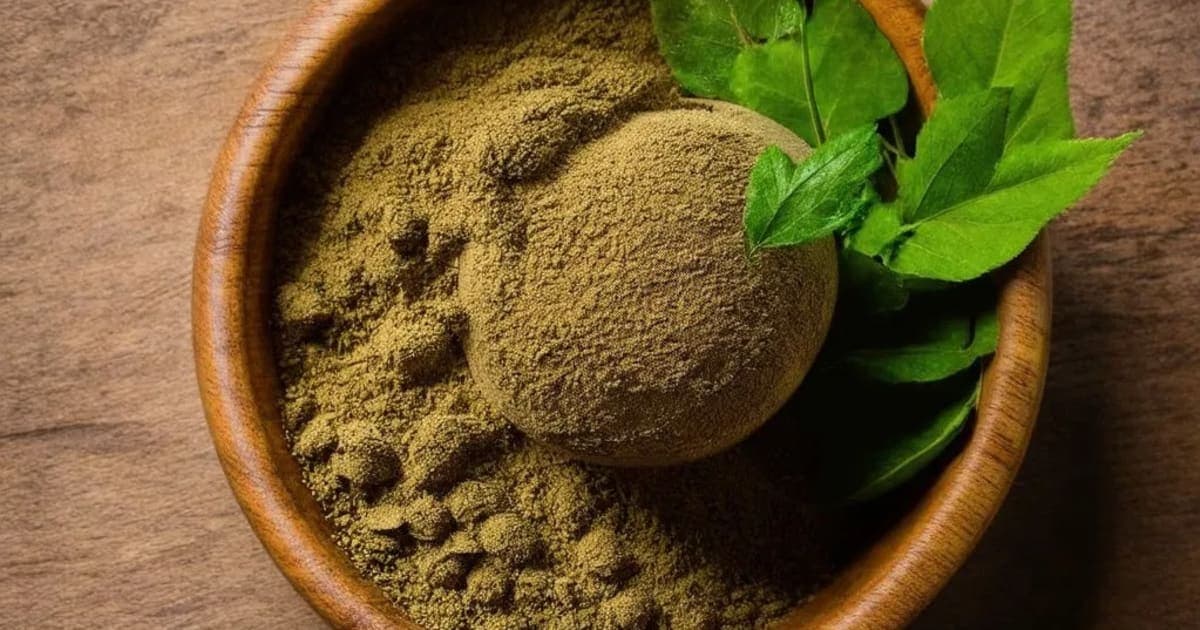
While chewing the twig is the traditional method, modern users often rely on Pilu powder. For oral health, mix a pinch of fine Pilu powder with a little water to make a paste, then apply it to your toothbrush or finger to scrub your teeth and gums. For digestive issues, a tiny amount of powder (no more than 1-2 grams) can be taken with warm water before a heavy meal to prevent bloating. Always start with a small amount to test your tolerance, as the pungency is strong.
Frequently Asked Questions about Pilu
Is Pilu safe to swallow?
Small amounts of Pilu powder or the juice from chewing a twig are generally safe and intended for therapeutic effect, but large quantities should be avoided. The herb is potent and heating; swallowing significant amounts can irritate the stomach lining and cause acidity, especially in people with sensitive digestion.
Can Pilu cure toothaches?
Pilu is highly effective for toothaches caused by cold sensitivity, gum infection, or Kapha imbalance due to its analgesic and antimicrobial properties. Applying a paste of Pilu powder directly to the affected tooth or gum can provide rapid relief by reducing inflammation and numbing the area slightly.
How often should I use Pilu for brushing?
For most people, using a Pilu twig or powder once a day, preferably in the morning, is sufficient to maintain oral hygiene without irritating the gums. Those with high Pitta or sensitive gums should reduce this to two or three times a week to prevent excessive drying or heating of the oral tissues.
Does Pilu help with bad breath?
Yes, Pilu is exceptional for treating bad breath (halitosis) because it addresses the root cause, which is often bacterial overgrowth or poor digestion. Its pungent and bitter tastes neutralize odor-causing bacteria while stimulating saliva production, which naturally cleanses the mouth.
Frequently Asked Questions
What is Pilu used for in Ayurveda?
Pilu is primarily used as a Appetite Stimulant and Shothahara in Ayurvedic medicine. The toothbrush tree (Salvadora persica) is used for oral hygiene, improving digestion, and reducing swelling. It pacifies Kapha, Vata dosha.
How should I take Pilu?
Pilu can be taken as powder (1/2-1 tsp with warm water or milk), decoction (boil 1 tsp in water), or tablets (1-2 daily). Always start with a low dose and consult an Ayurvedic practitioner for personalized guidance.
Is Pilu safe during pregnancy?
Pregnant and nursing women should not take Pilu without consulting their doctor first. Most Ayurvedic herbs require medical supervision during pregnancy.
Which dosha does Pilu balance?
Pilu pacifies Kapha, Vata. Excessive use may increase Pitta dosha.
Can I take Pilu daily?
Pilu can be taken daily in recommended doses for 4-8 weeks. After that, take a 2-week break before resuming. Long-term use should be supervised by a qualified Ayurvedic practitioner.
What are the side effects of Pilu?
When taken in recommended doses, Pilu is generally safe. Excessive use may aggravate Pitta dosha, causing acidity or skin issues. Stop use if you experience any adverse reaction.
Related Articles
The Timeless Benefits of Triphala: An Ayurvedic Powerhouse
Discover the transformative benefits of Triphala, an ancient Ayurvedic blend of three fruits that supports digestion, immunity, weight management, and overall vitality.
5 min read
The Divine Benefits of Tulsi (Holy Basil) in Ayurveda
Discover the sacred benefits of Tulsi (Holy Basil) in Ayurveda. From boosting immunity and reducing stress to supporting heart health and digestion, learn how this divine herb can transform your well-being.
4 min read
The Remarkable Benefits of Giloy: An Ayurvedic Powerhouse
Discover the profound health benefits of Giloy, the Ayurvedic 'root of immortality.' Learn how this powerful herb boosts immunity, manages diabetes, improves digestion, and supports skin, hair, and bone health.
5 min read
The Remarkable Benefits of Ashwagandha: An Ayurvedic Perspective
Discover the ancient wisdom of Ashwagandha, a powerful Ayurvedic adaptogen known for reducing stress, boosting immunity, improving sleep, and enhancing physical strength.
4 min read
Brihatyadi Kashayam: Natural Relief for Urinary Tract Disorders and Cystitis
Brihatyadi Kashayam is a cooling Ayurvedic decoction that targets urinary burning and cystitis by balancing Vata and Pitta. Unlike standard teas, this concentrated liquid extract is specifically designed to reduce inflammation in the bladder lining while flushing out toxins.
5 min read
Asphota: Ayurvedic Brain Tonic, Calming Herb & Blood Purifier
Often overlooked, Asphota is a cooling, bitter herb that acts as a gentle brain tonic and blood purifier. While it shares traits with the popular Aparajita, its unique astringent quality makes it particularly effective for stopping bleeding and soothing inflamed tissues.
6 min read
References & Sources
This article is based on principles from classical Ayurvedic texts including Charaka Samhita, Sushruta Samhita, and Ashtanga Hridaya. Content has been reviewed for accuracy by our editorial team. For specific medical conditions, always consult a qualified Ayurvedic practitioner or healthcare provider.
- • Charaka Samhita (चरक संहिता)
- • Sushruta Samhita (सुश्रुत संहिता)
- • Ashtanga Hridaya (अष्टांग हृदय)
Found an error in this article? Let us know