
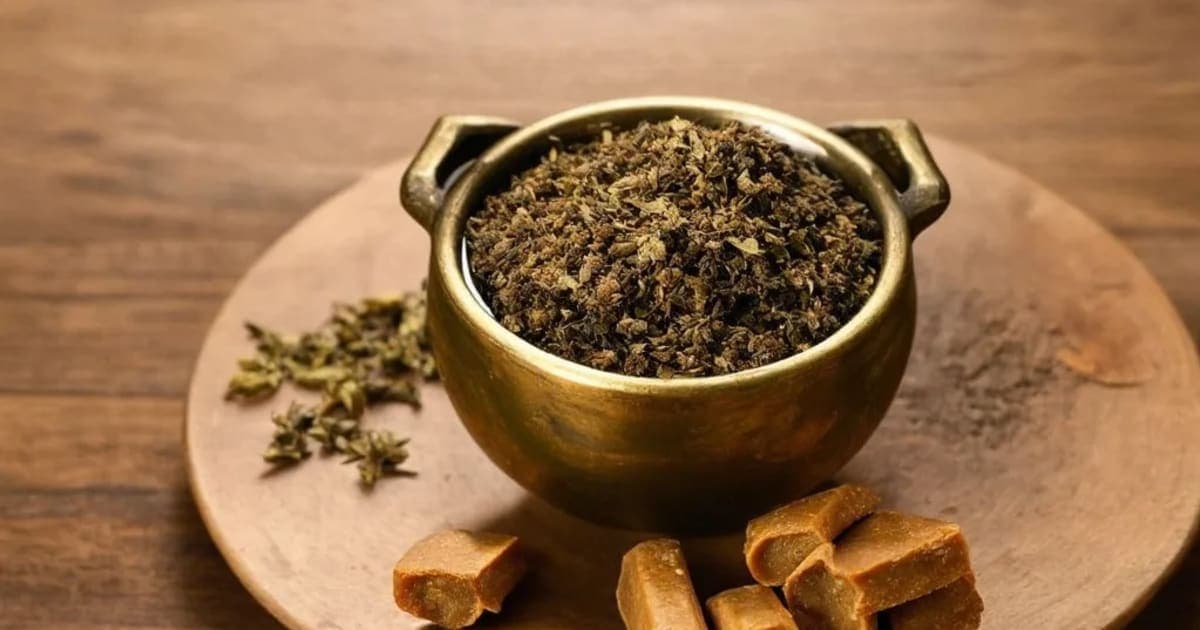
Patrangasava: Ayurvedic Remedy for Heavy Menstrual Bleeding & Uterine Health
Expert Reviewed
Reviewed by AyurvedicUpchar Editorial Team
What is Patrangasava and how does it work?
Patrangasava is a traditional fermented Ayurvedic tonic derived primarily from the bark of the Patranga tree (Caesalpinia sappan), historically used to stop excessive bleeding and tighten the uterine tissues. Unlike modern synthetic astringents, this self-generated alcoholic preparation preserves the herb's natural cooling energy while making its active compounds easily absorbable by the body.
In the classical text Charaka Samhita, formulations like this are described as essential for managing Raktapitta (bleeding disorders) because the fermentation process enhances the herb's ability to reach deep into the blood tissues. The result is a liquid that tastes distinctly astringent and slightly sweet, with a warm, woody aroma that signals its potency in healing irritated mucous membranes.
A key fact for modern practitioners: Patrangasava is one of the few Ayurvedic preparations where the self-generated alcohol acts not as a preservative, but as a solvent that extracts and delivers the herb's astringent properties directly to the reproductive system.
What are the Ayurvedic properties of Patrangasava?
The therapeutic action of Patrangasava is defined by five specific pharmacological properties that dictate how it interacts with your digestion and tissues. It is classified as a cooling, light, and astringent substance that pacifies Pitta while potentially aggravating Vata if used in excess.
Understanding these properties helps you determine if this tonic suits your specific constitution. While the taste is initially drying and healing, the long-term effect on digestion is pungent, which aids in clearing metabolic waste after the initial bleeding stops.
| Property (Sanskrit) | Value | What it means for your body |
|---|---|---|
| Rasa (Taste) | Kashaya, Madhura | Astringent taste dries excess moisture and stops bleeding; Sweet taste nourishes tissues and calms the mind. |
| Guna (Quality) | Laghu | Light texture ensures quick absorption without weighing down the digestive fire. |
| Virya (Potency) | Sheeta | Cooling energy reduces inflammation, heat, and burning sensations in the reproductive tract. |
| Vipaka (Post-digestive) | Katu | Pungent post-digestive effect helps clear residual toxins once the acute bleeding has subsided. |
How does Patrangasava balance the doshas?
Patrangasava primarily pacifies Pitta dosha, making it the go-to remedy for conditions driven by excess heat, inflammation, or blood toxicity in the body. It is particularly effective when symptoms like heavy menstrual flow, bright red blood, or burning sensations accompany the bleeding.
However, those with a dominant Vata constitution must exercise caution. Because the herb is drying and astringent, taking it in high doses or for too long can deplete bodily moisture, leading to dry skin, constipation, or anxiety. A grandmother's tip often passed down is to always dilute the tonic with warm water or milk and pair it with a nourishing fat like ghee to counteract the drying effect.
When should you take Patrangasava for best results?
You should consider Patrangasava when experiencing symptoms of elevated Pitta in the reproductive system, such as heavy menstrual bleeding (menorrhagia), spotting between periods, or leucorrhea with a burning sensation. It is also indicated for conditions where the blood is hot, thin, or inflamed.
In practical use, this tonic is rarely taken straight. A typical regimen involves mixing 15-30 ml of the preparation with an equal amount of warm water or milk, usually taken after meals to minimize gastric irritation. For those with a sensitive stomach, adding a teaspoon of honey can help balance the astringency.
Frequently Asked Questions
Is Patrangasava safe for pregnant women?
No, Patrangasava is generally contraindicated during pregnancy because its astringent and uterine-toning properties may stimulate contractions. Pregnant women should strictly avoid this formulation unless explicitly prescribed by a qualified Ayurvedic physician for a specific complication.
How long does it take for Patrangasava to stop bleeding?
While individual results vary, many users report a reduction in heavy flow within 3 to 5 days of consistent use. The herb works by tightening the uterine vessels and cooling the blood, but chronic conditions may require a longer course of treatment under supervision.
Can Patrangasava be taken with other medications?
Yes, but caution is needed if you are already on blood-thinning medications or hormonal treatments. Since Patrangasava affects blood coagulation, combining it with other hemostatic drugs could lead to excessive clotting or unpredictable interactions.
What is the best time of day to take Patrangasava?
The best time to take Patrangasava is after lunch or dinner. Taking it with food helps buffer its drying nature and ensures the alcohol base is metabolized gently, reducing the risk of stomach upset.
Does Patrangasava help with leucorrhea?
Yes, Patrangasava is highly effective for leucorrhea, especially when the discharge is accompanied by burning or inflammation. Its astringent quality dries up excess fluid, while its cooling energy soothes the irritated vaginal tissues.
Frequently Asked Questions
What is Patrangasava used for in Ayurveda?
Patrangasava is primarily used as a Raktastambhana and Yonirogahara in Ayurvedic medicine. A fermented tonic with Pattanga, used as a uterine astringent for heavy menstrual bleeding and leucorrhea. It pacifies Pitta dosha.
How should I take Patrangasava?
Patrangasava can be taken as powder (1/2-1 tsp with warm water or milk), decoction (boil 1 tsp in water), or tablets (1-2 daily). Always start with a low dose and consult an Ayurvedic practitioner for personalized guidance.
Is Patrangasava safe during pregnancy?
Pregnant and nursing women should not take Patrangasava without consulting their doctor first. Most Ayurvedic herbs require medical supervision during pregnancy.
Which dosha does Patrangasava balance?
Patrangasava pacifies Pitta. Excessive use may increase Vata dosha.
Can I take Patrangasava daily?
Patrangasava can be taken daily in recommended doses for 4-8 weeks. After that, take a 2-week break before resuming. Long-term use should be supervised by a qualified Ayurvedic practitioner.
What are the side effects of Patrangasava?
When taken in recommended doses, Patrangasava is generally safe. Excessive use may aggravate Vata dosha, causing gas or bloating. Stop use if you experience any adverse reaction.
Related Articles
The Timeless Benefits of Triphala: An Ayurvedic Powerhouse
Discover the transformative benefits of Triphala, an ancient Ayurvedic blend of three fruits that supports digestion, immunity, weight management, and overall vitality.
5 min read
The Divine Benefits of Tulsi (Holy Basil) in Ayurveda
Discover the sacred benefits of Tulsi (Holy Basil) in Ayurveda. From boosting immunity and reducing stress to supporting heart health and digestion, learn how this divine herb can transform your well-being.
4 min read
The Remarkable Benefits of Giloy: An Ayurvedic Powerhouse
Discover the profound health benefits of Giloy, the Ayurvedic 'root of immortality.' Learn how this powerful herb boosts immunity, manages diabetes, improves digestion, and supports skin, hair, and bone health.
5 min read
The Remarkable Benefits of Ashwagandha: An Ayurvedic Perspective
Discover the ancient wisdom of Ashwagandha, a powerful Ayurvedic adaptogen known for reducing stress, boosting immunity, improving sleep, and enhancing physical strength.
4 min read
Brihatyadi Kashayam: Natural Relief for Urinary Tract Disorders and Cystitis
Brihatyadi Kashayam is a cooling Ayurvedic decoction that targets urinary burning and cystitis by balancing Vata and Pitta. Unlike standard teas, this concentrated liquid extract is specifically designed to reduce inflammation in the bladder lining while flushing out toxins.
5 min read
Asphota: Ayurvedic Brain Tonic, Calming Herb & Blood Purifier
Often overlooked, Asphota is a cooling, bitter herb that acts as a gentle brain tonic and blood purifier. While it shares traits with the popular Aparajita, its unique astringent quality makes it particularly effective for stopping bleeding and soothing inflamed tissues.
6 min read
References & Sources
This article is based on principles from classical Ayurvedic texts including Charaka Samhita, Sushruta Samhita, and Ashtanga Hridaya. Content has been reviewed for accuracy by our editorial team. For specific medical conditions, always consult a qualified Ayurvedic practitioner or healthcare provider.
- • Charaka Samhita (चरक संहिता)
- • Sushruta Samhita (सुश्रुत संहिता)
- • Ashtanga Hridaya (अष्टांग हृदय)
Found an error in this article? Let us know