
Patha: The Tridosha Balancer for Fever, Detox & Digestion
Expert Reviewed
Reviewed by AyurvedicUpchar Editorial Team
What is Patha and why is it unique in Ayurveda?
Patha (Cissampelos pareira) is a rare Tridosha herb used in Ayurveda to clear fever, purify blood, and balance all three body constitutions simultaneously. Unlike most remedies that cool one dosha while heating another, Patha's specific chemical profile allows it to harmonize Vata, Pitta, and Kapha without causing imbalance. You will often find this climbing vine growing wild on hedges, its soft, heart-shaped leaves hiding a potent root used for centuries to treat stubborn fevers and urinary issues.
Grandmothers in rural India often boil the dried roots to make a bitter tea when a child has a fever that won't break or when digestion feels completely stuck. The Charaka Samhita, specifically in the Sutra Sthana section, lists Patha among the essential herbs for clearing channel blockages (Srotorodha). This classical text highlights its ability to move stagnation without exhausting the body, a quality that makes it distinct from harsher purgatives.
What are the Ayurvedic properties of Patha?
The Ayurvedic properties of Patha define exactly how this herb interacts with your tissues, combining a bitter taste with a heating potency to scrape away toxins. While the taste is sharp and drying, its post-digestive effect remains pungent, ensuring that it continues to stimulate metabolism long after you swallow it. This specific combination makes it excellent for breaking down heavy mucus or stagnant blood that lighter herbs cannot move.
| Property (Sanskrit) | Value | What it means for your body |
|---|---|---|
| Rasa (Taste) | Tikta (Bitter) | Detoxifies blood, reduces inflammation, and clears heat from the liver. |
| Guna (Quality) | Laghu, Tikshna | Light and sharp; penetrates deep into tissues to break up congestion quickly. |
| Virya (Potency) | Ushna (Hot) | Stimulates digestive fire (Agni) and improves circulation to cold extremities. |
| Vipaka (Post-digestive) | Katu (Pungent) | Continues to clear blockages and reduce water retention after digestion completes. |
When you taste fresh Patha root, the bitterness hits the back of the throat immediately, signaling the liver to release bile. This isn't just flavor; in Dravyaguna Shastra, that bitter signal triggers a cascade of cooling and cleansing actions that lower Pitta despite the herb's heating potency. It is a complex herb that teaches us how opposite qualities can work together to restore balance.
Which doshas does Patha balance?
Patha balances all three doshas—Vata, Pitta, and Kapha—making it one of the few herbs safe for daily use across different body types. Most heating herbs aggravate Pitta, and most cooling herbs slow down a Vata or Kapha constitution, but Patha navigates these contradictions through its unique Tridosha action. Whether you feel heavy and sluggish (Kapha), erratic and gassy (Vata), or angry and overheated (Pitta), this herb helps normalize your system.
For Vata types, the heating potency warms the gut without causing the dryness that usually comes with heat. For Pitta individuals, the intense bitter taste cools the blood and liver, countering the heating virya to prevent inflammation. Kapha types benefit most from the light, sharp qualities that cut through mucus and water retention, helping to shed that feeling of being weighed down after a heavy meal.
How do people actually use Patha at home?
Most people use Patha as a decoction made from dried root powder boiled in water, often mixed with honey to offset the intense bitterness. In traditional households, a common remedy for urinary discomfort involves boiling one teaspoon of Patha powder in two cups of water until it reduces by half, then drinking it warm. For skin issues like boils or rashes, a fresh paste of the leaves is sometimes applied directly to the affected area to draw out heat and infection.
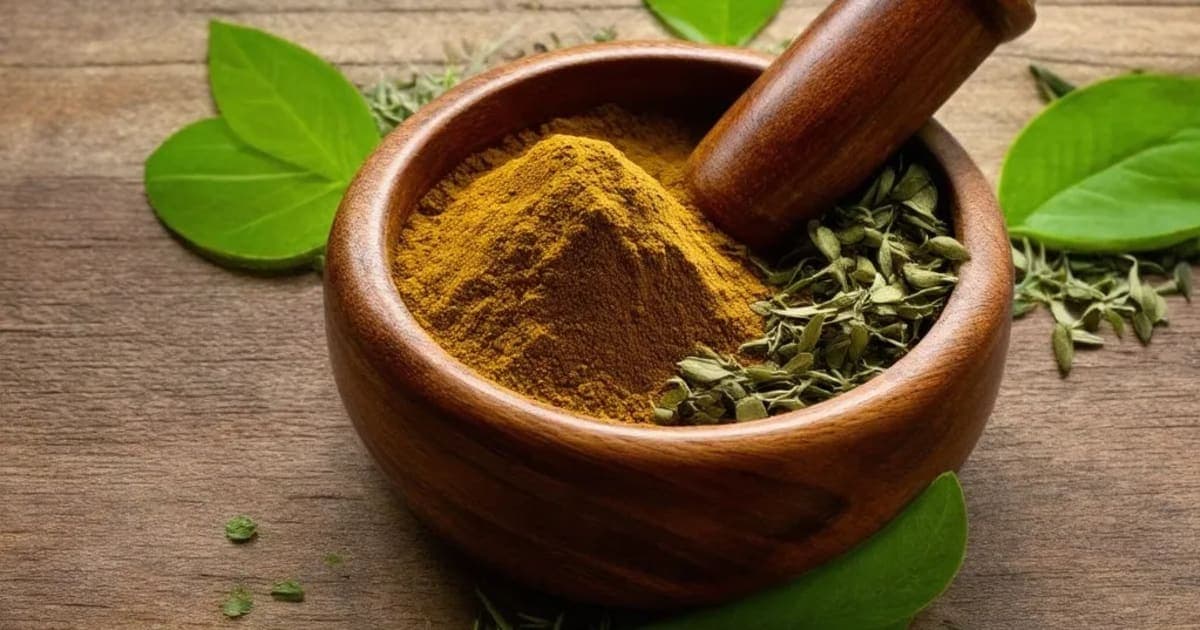
If you are buying the powder, look for a fine, beige-to-light-brown dust that smells earthy and slightly musky. Be careful with the dosage; because it is so sharp and penetrating, taking too much on an empty stomach can cause mild nausea or a burning sensation in sensitive individuals. Start with a quarter teaspoon mixed in warm water or ghee to see how your body responds before moving to a full dose.
Frequently Asked Questions
Is Patha safe for daily use?
Yes, Patha is generally safe for daily use in moderate doses because it balances all three doshas without causing aggression. However, pregnant women should consult an Ayurvedic practitioner before use, as its penetrating qualities can stimulate the pelvic region.
Can Patha help with weight loss?
Patha may support weight loss in Kapha-dominant individuals by reducing water retention and improving metabolic fire (Agni). Its light and sharp qualities help break down fat tissues and clear the channels that often get blocked in obesity.
What does Patha taste like?
Patha has an intensely bitter taste (Tikta) that can be quite shocking if you are not used to herbal medicines. Most people mix the powder with honey, warm milk, or ghee to make the flavor more palatable while retaining its therapeutic benefits.
Frequently Asked Questions
What is Patha used for in Ayurveda?
Patha is primarily used as a Vishaghna and Absorbent in Ayurvedic medicine. Cissampelos pareira is a potent herb for detoxification, treating fever, urinary disorders, and diarrhea. It pacifies tridosha dosha.
How should I take Patha?
Patha can be taken as powder (1/2-1 tsp with warm water or milk), decoction (boil 1 tsp in water), or tablets (1-2 daily). Always start with a low dose and consult an Ayurvedic practitioner for personalized guidance.
Is Patha safe during pregnancy?
Pregnant and nursing women should not take Patha without consulting their doctor first. Most Ayurvedic herbs require medical supervision during pregnancy.
Which dosha does Patha balance?
Patha pacifies tridosha and is one of the rare Tridosha herbs that balances all three doshas.
Can I take Patha daily?
Patha can be taken daily in recommended doses for 4-8 weeks. After that, take a 2-week break before resuming. Long-term use should be supervised by a qualified Ayurvedic practitioner.
What are the side effects of Patha?
When taken in recommended doses, Patha is generally safe. Overconsumption may cause digestive discomfort. Stop use if you experience any adverse reaction.
Related Articles
The Timeless Benefits of Triphala: An Ayurvedic Powerhouse
Discover the transformative benefits of Triphala, an ancient Ayurvedic blend of three fruits that supports digestion, immunity, weight management, and overall vitality.
5 min read
The Divine Benefits of Tulsi (Holy Basil) in Ayurveda
Discover the sacred benefits of Tulsi (Holy Basil) in Ayurveda. From boosting immunity and reducing stress to supporting heart health and digestion, learn how this divine herb can transform your well-being.
4 min read
The Remarkable Benefits of Giloy: An Ayurvedic Powerhouse
Discover the profound health benefits of Giloy, the Ayurvedic 'root of immortality.' Learn how this powerful herb boosts immunity, manages diabetes, improves digestion, and supports skin, hair, and bone health.
5 min read
The Remarkable Benefits of Ashwagandha: An Ayurvedic Perspective
Discover the ancient wisdom of Ashwagandha, a powerful Ayurvedic adaptogen known for reducing stress, boosting immunity, improving sleep, and enhancing physical strength.
4 min read
Brihatyadi Kashayam: Natural Relief for Urinary Tract Disorders and Cystitis
Brihatyadi Kashayam is a cooling Ayurvedic decoction that targets urinary burning and cystitis by balancing Vata and Pitta. Unlike standard teas, this concentrated liquid extract is specifically designed to reduce inflammation in the bladder lining while flushing out toxins.
5 min read
Asphota: Ayurvedic Brain Tonic, Calming Herb & Blood Purifier
Often overlooked, Asphota is a cooling, bitter herb that acts as a gentle brain tonic and blood purifier. While it shares traits with the popular Aparajita, its unique astringent quality makes it particularly effective for stopping bleeding and soothing inflamed tissues.
6 min read
References & Sources
This article is based on principles from classical Ayurvedic texts including Charaka Samhita, Sushruta Samhita, and Ashtanga Hridaya. Content has been reviewed for accuracy by our editorial team. For specific medical conditions, always consult a qualified Ayurvedic practitioner or healthcare provider.
- • Charaka Samhita (चरक संहिता)
- • Sushruta Samhita (सुश्रुत संहिता)
- • Ashtanga Hridaya (अष्टांग हृदय)
Found an error in this article? Let us know