
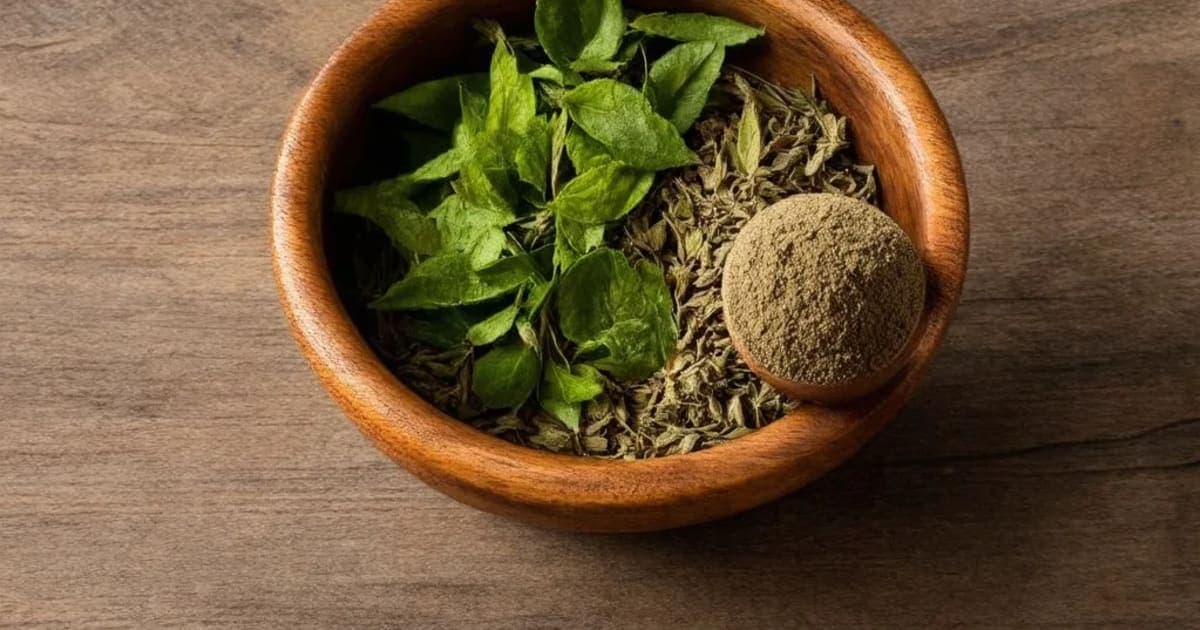
Parijata: Night Jasmine Benefits for Arthritis, Cough & Fever
Expert Reviewed
Reviewed by AyurvedicUpchar Editorial Team
What is Parijata?
Parijata, often called the Night Jasmine or 'Queen of the Night,' is a fragrant Ayurvedic herb primarily used to treat stubborn coughs, high fevers, and arthritic joint pain. Unlike many garden flowers kept only for their scent, the leaves and flowers of this plant are potent medicines. You might recognize it by its white, star-shaped flowers that bloom at dusk and drop by morning, leaving a sweet, heavy fragrance in the air.
In the home, a grandmother might boil fresh Parijata leaves with a pinch of black pepper to ease a dry, hacking cough. Classical texts like the Charaka Samhita (Sutra Sthana) list it as a key substance for clearing toxins from the blood and calming the nervous system. While the flowers are beloved for their perfume, Ayurvedic practitioners primarily use the leaves for internal medicine and the flowers for external pastes or aromatic therapies.
This herb is defined by its bitter taste and heating energy, which helps it cut through mucus and stagnant blood. It is not just a general tonic; it specifically targets the root causes of inflammation and respiratory distress. When you use Parijata, you are leveraging a botanical tool that has been refined over thousands of years of observation.
What are the Ayurvedic properties of Parijata?
The Ayurvedic profile of Parijata reveals why it works so well for inflammation and respiratory issues: it combines a bitter taste with heating potency to detoxify the blood and stimulate digestion. These properties determine how the herb moves through your body, where it goes, and what it leaves behind. Understanding these specifics helps you avoid common mistakes, such as using it when your body is already too dry or hot.
| Property (Sanskrit) | Value | What it means for your body |
|---|---|---|
| Rasa (Taste) | Tikta (Bitter) | Acts as a deep cleanser; scrapes away toxins (Ama) and cools excess heat in the blood. |
| Guna (Quality) | Laghu (Light) | Easy to digest; penetrates deep into tissues quickly without causing heaviness. |
| Virya (Potency) | Ushna (Hot) | Stimulates metabolic fire (Agni) and improves circulation to stiff joints. |
| Vipaka (Post-digestive) | Katu (Pungent) | Creates a lingering warming effect that helps break down chronic mucus and fat. |
| Prabhava (Special Effect) | Shoolahara | Specifically relieves sharp, colicky pain and spasms in the abdomen or joints. |
The combination of Tikta (bitter) taste and Ushna (hot) potency creates a unique action. While bitter tastes usually cool the body, the heating energy of Parijata ensures it does not dampen your digestive fire. Instead, it burns off toxins while simultaneously soothing the nerves, making it a complex but highly effective herb for mixed conditions.
Which doshas does Parijata balance?
Parijata primarily pacifies Vata and Pitta doshas, making it an excellent choice for conditions involving nerve pain, inflammation, or irregular digestion. Its light and penetrating quality helps ground the erratic movement of Vata, while its bitter taste cools the sharp heat of aggravated Pitta. However, because it is heating and drying, it requires caution for those with high Kapha if used in excess without proper guidance.
If you suffer from Vata imbalance, you might notice dry skin, anxiety, or joints that crack and ache in cold weather. Parijata's heating nature warms these cold, dry spaces, bringing flexibility back to the limbs. For Pitta types who struggle with skin rashes, acidity, or short temper, the bitter component helps purge excess heat from the blood without aggravating the fire further.
People with a dominant Kapha constitution should use Parijata carefully. While its light quality helps reduce Kapha heaviness, the heating potency can sometimes stimulate appetite too much or create excess internal heat if the dose is too high. A practical sign you are taking too much is feeling unusually thirsty, irritable, or congested with thick mucus.
How do I know if I need Parijata?
You likely need Parijata if you experience sharp, shifting joint pain, a persistent dry cough, or skin issues linked to poor blood quality. It is also indicated for those who feel cold internally despite warm weather, or who have digestive sluggishness accompanied by bloating. These symptoms suggest your body needs the specific warming and detoxifying action this herb provides.
What are the main health benefits of Parijata?
The primary health benefits of Parijata include relieving arthritic pain, clearing respiratory congestion, and purifying the blood to improve skin health. Modern research and ancient texts alike point to its anti-inflammatory and analgesic properties. It is not a gentle supplement; it is a targeted intervention for specific types of pain and stagnation.
1. Joint Pain and Arthritis (Amavata)
In Ayurveda, arthritis is often seen as toxins (Ama) settling in the joints due to weak digestion. Parijata's heating potency burns this Ama, while its special pain-relieving property (Shoolahara) eases the discomfort. Many practitioners recommend a warm paste of fresh leaves applied directly to swollen knees or wrists, or taking the leaf decoction internally with warm water.
2. Respiratory Health and Cough
The herb excels at managing coughs, especially those triggered by Vata (dry, hacking) or Kapha (chest congestion). The bitter taste acts as an expectorant, helping to loosen and expel mucus, while the heating energy prevents new mucus from forming. A common home remedy involves boiling 5-7 fresh leaves in a cup of water with a slice of ginger until the water reduces by half, then drinking it warm.
3. Blood Purification and Skin Care
Skin conditions like eczema or chronic itching often stem from impurities in the blood. Parijata cleanses the blood channels, leading to clearer skin and reduced inflammation. The flowers, though less potent than leaves, can be infused in oil to create a soothing balm for dry, itchy skin.
Frequently Asked Questions
Can I eat Parijata flowers directly?
While the flowers are fragrant and non-toxic, they are rarely eaten raw for medicine. Ayurvedic practice typically uses the leaves for internal decoctions and the flowers for making aromatic oils or external pastes. Eating raw flowers may cause mild gastric discomfort in sensitive individuals.
How much Parijata leaf powder should I take daily?
A typical therapeutic dose is 1–3 grams of dried leaf powder mixed with warm water or honey, usually taken once or twice a day. Because the herb is potent and heating, it is best to start with a lower dose and consult an Ayurvedic practitioner for long-term use.
Is Night Jasmine the same as Mogra?
No, they are different plants. Parijata (Nyctanthes arbor-tristis) has a reddish-orange stem and star-shaped flowers that fall off in the morning. Mogra (Jasminum sambac) has green stems and white flowers that stay on the plant longer. Their medicinal uses differ significantly.
Can Parijata help with fever?
Yes, it is traditionally used to reduce fever, particularly those associated with malaria or viral infections, due to its antipyretic and blood-purifying properties. It helps lower body temperature by clearing the underlying toxins causing the heat.
Frequently Asked Questions
What is Parijata used for in Ayurveda?
Parijata is primarily used as a Fever Reducer and Vatahara in Ayurvedic medicine. Night jasmine, good for cough, fever and arthritis. It pacifies Vata, Pitta dosha.
How should I take Parijata?
Parijata can be taken as powder (1/2-1 tsp with warm water or milk), decoction (boil 1 tsp in water), or tablets (1-2 daily). Always start with a low dose and consult an Ayurvedic practitioner for personalized guidance.
Is Parijata safe during pregnancy?
Pregnant and nursing women should not take Parijata without consulting their doctor first. Most Ayurvedic herbs require medical supervision during pregnancy.
Which dosha does Parijata balance?
Parijata pacifies Vata, Pitta. Excessive use may increase Kapha dosha.
Can I take Parijata daily?
Parijata can be taken daily in recommended doses for 4-8 weeks. After that, take a 2-week break before resuming. Long-term use should be supervised by a qualified Ayurvedic practitioner.
What are the side effects of Parijata?
When taken in recommended doses, Parijata is generally safe. Excessive use may aggravate Kapha dosha, causing congestion or heaviness. Stop use if you experience any adverse reaction.
Related Articles
The Timeless Benefits of Triphala: An Ayurvedic Powerhouse
Discover the transformative benefits of Triphala, an ancient Ayurvedic blend of three fruits that supports digestion, immunity, weight management, and overall vitality.
5 min read
The Divine Benefits of Tulsi (Holy Basil) in Ayurveda
Discover the sacred benefits of Tulsi (Holy Basil) in Ayurveda. From boosting immunity and reducing stress to supporting heart health and digestion, learn how this divine herb can transform your well-being.
4 min read
The Remarkable Benefits of Giloy: An Ayurvedic Powerhouse
Discover the profound health benefits of Giloy, the Ayurvedic 'root of immortality.' Learn how this powerful herb boosts immunity, manages diabetes, improves digestion, and supports skin, hair, and bone health.
5 min read
The Remarkable Benefits of Ashwagandha: An Ayurvedic Perspective
Discover the ancient wisdom of Ashwagandha, a powerful Ayurvedic adaptogen known for reducing stress, boosting immunity, improving sleep, and enhancing physical strength.
4 min read
Brihatyadi Kashayam: Natural Relief for Urinary Tract Disorders and Cystitis
Brihatyadi Kashayam is a cooling Ayurvedic decoction that targets urinary burning and cystitis by balancing Vata and Pitta. Unlike standard teas, this concentrated liquid extract is specifically designed to reduce inflammation in the bladder lining while flushing out toxins.
5 min read
Asphota: Ayurvedic Brain Tonic, Calming Herb & Blood Purifier
Often overlooked, Asphota is a cooling, bitter herb that acts as a gentle brain tonic and blood purifier. While it shares traits with the popular Aparajita, its unique astringent quality makes it particularly effective for stopping bleeding and soothing inflamed tissues.
6 min read
References & Sources
This article is based on principles from classical Ayurvedic texts including Charaka Samhita, Sushruta Samhita, and Ashtanga Hridaya. Content has been reviewed for accuracy by our editorial team. For specific medical conditions, always consult a qualified Ayurvedic practitioner or healthcare provider.
- • Charaka Samhita (चरक संहिता)
- • Sushruta Samhita (सुश्रुत संहिता)
- • Ashtanga Hridaya (अष्टांग हृदय)
Found an error in this article? Let us know