
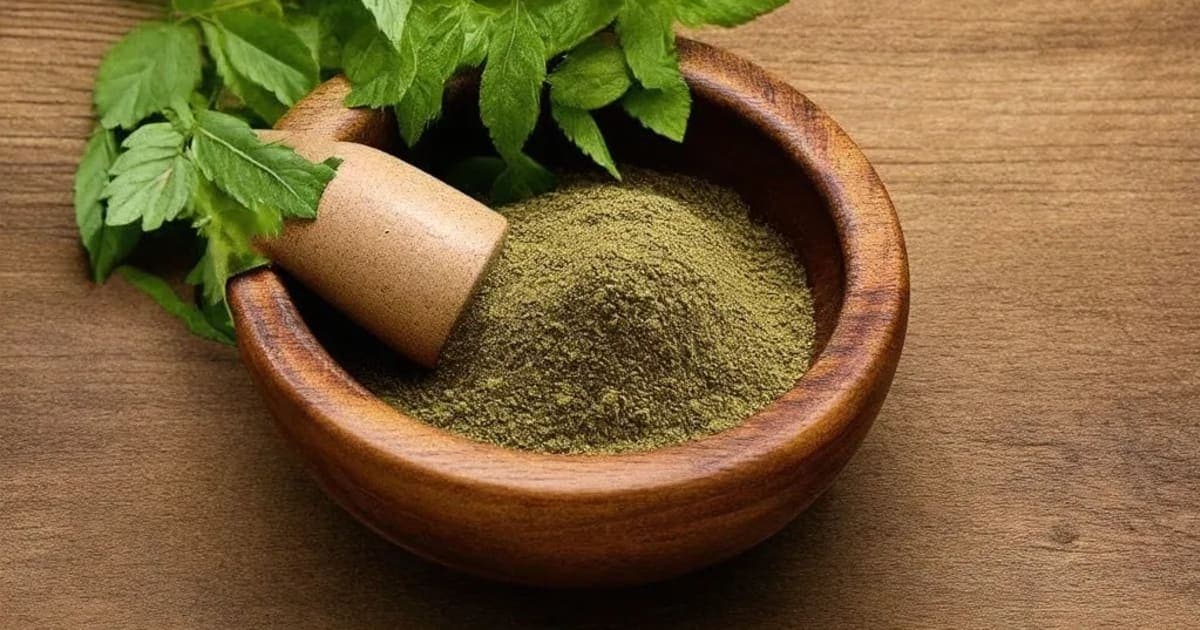
Paribhadra: Benefits, Uses & Ayurvedic Properties for Vata Relief
Expert Reviewed
Reviewed by AyurvedicUpchar Editorial Team
What is Paribhadra?
Paribhadra, known botanically as Erythrina variegata, is a heating herb in Ayurveda primarily used to calm Vata and Kapha doshas through its distinct bitter and pungent taste. You will often find this tree in tropical gardens, recognized by its striking coral-red flowers and thorny bark, but in the clinic, it serves as a potent nervine sedative and anti-inflammatory agent. Unlike generic supplements, Paribhadra works specifically on the nervous system to reduce pain and stiffness, making it a go-to choice for conditions like sciatica or arthritis where cold and stagnation are present.
Ancient texts like the Charaka Samhita classify Paribhadra as a crucial Dravya (medicinal substance) for clearing blockages in the body's channels. The herb's flavor profile drives its action: the bitter taste (Tikta) detoxifies the blood and cools inflammation, while the pungent note (Katu) ignites digestive fire and breaks up mucus. When you chew the fresh leaves or sip a decoction of the bark, that sharp, slightly astringent kick is the signal that metabolic processes are waking up.
What are the Ayurvedic properties of Paribhadra?
The Ayurvedic properties of Paribhadra define exactly how this herb interacts with your tissues, acting as a light, heating agent that penetrates deep into the joints and nerves. Its pharmacological profile explains why it excels at treating chronic pain and respiratory congestion without leaving heavy residue in the system. By understanding these specific qualities, you can see why it pairs well with other warming herbs like Dashamula for severe Vata imbalances.
| Property (Sanskrit) | Value | What it means for your body |
|---|---|---|
| Rasa (Taste) | Tikta (Bitter), Katu (Pungent) | Cleanses blood, reduces inflammation, and stimulates metabolism to clear stagnant Kapha. |
| Guna (Quality) | Laghu (Light) | Easy to digest; penetrates deep into tissues without causing heaviness or lethargy. |
| Virya (Potency) | Ushna (Hot) | Increases internal heat, improves circulation to cold joints, and boosts digestive fire (Agni). |
| Vipaka (Post-digestive) | Katu (Pungent) | Creates a lasting heating effect that continues to break down toxins even after digestion. |
| Prabhava (Special Effect) | Vatahara | Specifically targets and pacifies Vata dosha, relieving nerve pain and muscle spasms. |
This combination of lightness and heat makes Paribhadra particularly effective for older adults whose natural warmth and mobility have decreased over time. It does not just mask pain; the Ushna Virya (heating potency) actively drives out the cold, dry qualities that cause stiffness.
Which doshas does Paribhadra balance?
Paribhadra primarily balances Vata and Kapha doshas by introducing warmth and movement to areas of the body that feel cold, stiff, or sluggish. If you suffer from joint pain that worsens in cold weather or feel a heavy fog in your chest, this herb helps restore flow and flexibility. However, because it is inherently hot and sharp, it can aggravate Pitta if used without care or in excessive amounts.
People with a dominant Pitta constitution should approach Paribhadra with caution, watching for signs like heartburn, skin rashes, or irritability. A practical way to use it safely is to combine the bark powder with ghee or milk, which buffers the heat while delivering the medicinal compounds to the nerves. Grandmothers in coastal India often boil the leaves lightly and apply them as a warm poultice to swollen joints, a method that delivers relief directly to the site of pain without overwhelming the digestive system.
How do I know if I need Paribhadra?
You likely need Paribhadra if you experience classic Vata symptoms like cracking joints, anxiety, dry skin, or insomnia, especially when these issues flare up during cold or windy weather. It is also indicated for Kapha types who feel weighed down by excess mucus, slow digestion, or water retention. The key indicator is a sense of stagnation; if your pain feels fixed and cold rather than burning or inflamed, Paribhadra is often the correct intervention.
Conversely, if your joints are red, hot to the touch, and throbbing, this suggests high Pitta, and Paribhadra might make the inflammation worse. Always start with a small dose, perhaps a quarter teaspoon of the bark powder in warm water, and observe how your body responds over the next few hours. As noted in the Bhavaprakash Nighantu, the true test of this herb is its ability to move pain without creating new heat symptoms.
Frequently Asked Questions
What is Paribhadra used for in Ayurveda?
Paribhadra is used primarily to treat Vata disorders like sciatica, arthritis, and nerve pain due to its heating and penetrating qualities. It also helps clear respiratory congestion and improves digestion by stimulating metabolic fire.
Is Paribhadra safe for daily use?
Paribhadra is generally safe for short-term use under guidance, but its heating nature means it should not be taken daily long-term by people with high Pitta or acidity. Moderation is key to avoiding side effects like heartburn or skin irritation.
How is Paribhadra different from Ashwagandha?
While both herbs treat Vata, Paribhadra is heating and pungent, making it better for cold, stagnant pain, whereas Ashwagandha is cooling and sweet, suiting it for weakness and fatigue. Choosing between them depends on whether your body needs warmth and movement or nourishment and calm.
Frequently Asked Questions
What is Paribhadra used for in Ayurveda?
Paribhadra is primarily used as a Antiparasitic and Vatahara in Ayurvedic medicine. Erythrina variegata is used for its anti-inflammatory and nervine sedative properties, especially in Vata disorders. It pacifies Vata, Kapha dosha.
How should I take Paribhadra?
Paribhadra can be taken as powder (1/2-1 tsp with warm water or milk), decoction (boil 1 tsp in water), or tablets (1-2 daily). Always start with a low dose and consult an Ayurvedic practitioner for personalized guidance.
Is Paribhadra safe during pregnancy?
Pregnant and nursing women should not take Paribhadra without consulting their doctor first. Most Ayurvedic herbs require medical supervision during pregnancy.
Which dosha does Paribhadra balance?
Paribhadra pacifies Vata, Kapha. Excessive use may increase Pitta dosha.
Can I take Paribhadra daily?
Paribhadra can be taken daily in recommended doses for 4-8 weeks. After that, take a 2-week break before resuming. Long-term use should be supervised by a qualified Ayurvedic practitioner.
What are the side effects of Paribhadra?
When taken in recommended doses, Paribhadra is generally safe. Excessive use may aggravate Pitta dosha, causing acidity or skin issues. Stop use if you experience any adverse reaction.
Related Articles
The Timeless Benefits of Triphala: An Ayurvedic Powerhouse
Discover the transformative benefits of Triphala, an ancient Ayurvedic blend of three fruits that supports digestion, immunity, weight management, and overall vitality.
5 min read
The Divine Benefits of Tulsi (Holy Basil) in Ayurveda
Discover the sacred benefits of Tulsi (Holy Basil) in Ayurveda. From boosting immunity and reducing stress to supporting heart health and digestion, learn how this divine herb can transform your well-being.
4 min read
The Remarkable Benefits of Giloy: An Ayurvedic Powerhouse
Discover the profound health benefits of Giloy, the Ayurvedic 'root of immortality.' Learn how this powerful herb boosts immunity, manages diabetes, improves digestion, and supports skin, hair, and bone health.
5 min read
The Remarkable Benefits of Ashwagandha: An Ayurvedic Perspective
Discover the ancient wisdom of Ashwagandha, a powerful Ayurvedic adaptogen known for reducing stress, boosting immunity, improving sleep, and enhancing physical strength.
4 min read
Brihatyadi Kashayam: Natural Relief for Urinary Tract Disorders and Cystitis
Brihatyadi Kashayam is a cooling Ayurvedic decoction that targets urinary burning and cystitis by balancing Vata and Pitta. Unlike standard teas, this concentrated liquid extract is specifically designed to reduce inflammation in the bladder lining while flushing out toxins.
5 min read
Asphota: Ayurvedic Brain Tonic, Calming Herb & Blood Purifier
Often overlooked, Asphota is a cooling, bitter herb that acts as a gentle brain tonic and blood purifier. While it shares traits with the popular Aparajita, its unique astringent quality makes it particularly effective for stopping bleeding and soothing inflamed tissues.
6 min read
References & Sources
This article is based on principles from classical Ayurvedic texts including Charaka Samhita, Sushruta Samhita, and Ashtanga Hridaya. Content has been reviewed for accuracy by our editorial team. For specific medical conditions, always consult a qualified Ayurvedic practitioner or healthcare provider.
- • Charaka Samhita (चरक संहिता)
- • Sushruta Samhita (सुश्रुत संहिता)
- • Ashtanga Hridaya (अष्टांग हृदय)
Found an error in this article? Let us know