
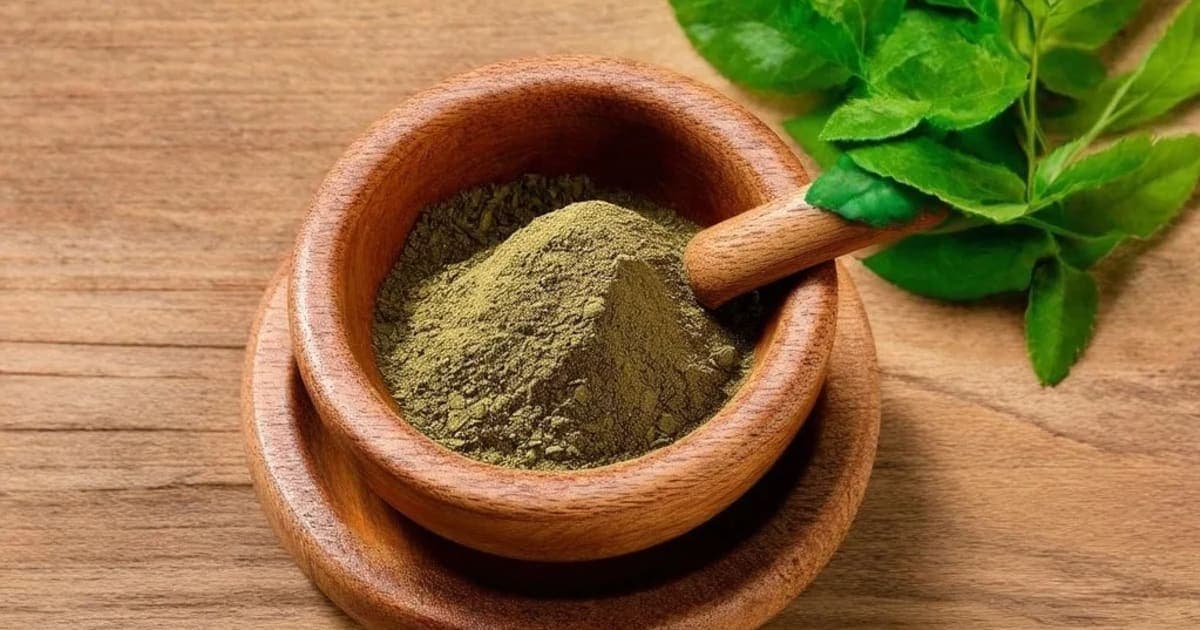
Panna Pishti: Calming the Mind & Balancing All Three Doshas | Ayurvedic Guide
Expert Reviewed
Reviewed by AyurvedicUpchar Editorial Team
What is Panna Pishti and how does it work?
Panna Pishti is a medicinal preparation made from emerald gemstone powder, traditionally processed with rose water and milk to create a cooling nervine tonic that calms the mind, sharpens intellect, and balances all three doshas. Unlike synthetic supplements, this ancient remedy relies on the subtle energy of the emerald stone, which Ayurvedic masters believe stores the cooling essence of the earth to soothe overheated nerves and emotions. When taken as a fine powder dissolved in warm milk or ghee, it acts quickly to settle anxiety and mental agitation.
Classical texts like the Bhavaprakash Nighantu describe Panna Pishti not merely as a mineral, but as a refined prana-supporting substance that bridges the gap between physical cooling and mental clarity. A key principle in its use is that the gemstone must be prepared specifically for internal consumption; raw emerald is never ingested. Instead, the stone is washed, purified, and ground into an ultra-fine ash (Pishti) that the body can absorb without strain.
Quotable Fact: Panna Pishti is one of the few Ayurvedic formulations where a gemstone is safely internalized to treat heat-related disorders of the mind and blood.
What are the Ayurvedic properties of Panna Pishti?
The therapeutic power of Panna Pishti comes from its specific pharmacological profile: it possesses a sweet taste, a light and unctuous quality, and a cooling potency that directly reduces inflammation and excess heat in the body. These properties allow it to nourish tissues while simultaneously calming the nervous system, making it ideal for conditions where heat and stress coexist.
In Ayurvedic practice, understanding these five fundamental attributes helps practitioners prescribe the correct dosage and vehicle (anupana) for each patient. While most cooling herbs might be too heavy or too drying for some constitutions, Panna Pishti's unique combination of lightness and unctuousness ensures it penetrates deep tissues without causing blockage or sluggishness.
| Property (Sanskrit) | Value | What it means for your body |
|---|---|---|
| Rasa (Taste) | Madhura (Sweet) | Nourishing, builds tissues, and calms the mind immediately upon ingestion. |
| Guna (Quality) | Laghu, Snigdha | Light and Oily — ensures rapid absorption and deep tissue penetration without clogging channels. |
| Virya (Potency) | Sheeta (Cooling) | Directly reduces body heat, soothes inflammation, and cools irritated nerves and blood. |
| Vipaka (Post-digestive) | Madhura (Sweet) | Maintains a cooling and nourishing effect long after digestion is complete. |
| Prabhava (Special Action) | Vishama Agni Shamana | Specifically stabilizes erratic digestion and mental restlessness caused by heat. |
How does Panna Pishti balance Vata, Pitta, and Kapha?
Panna Pishti acts as a true Tridosha balancer, meaning it pacifies Vata, Pitta, and Kapha simultaneously without aggravating any of them, a rare quality that makes it safe for almost every body type. While many cooling herbs might disturb Vata by being too light or too cold, and many nourishing herbs might aggravate Kapha by being too heavy, Panna Pishti navigates this middle path with its light yet unctuous nature.
For a person with high Pitta, the cooling potency of the emerald cools the blood and reduces anger or irritability. For someone with Vata imbalance, the sweet taste and unctuous quality ground the mind and stop anxiety. Even for Kapha types, the lightness of the preparation prevents the heaviness that usually comes with sweet, cooling foods. This versatility is why the Charaka Samhita often recommends gemstone-based preparations for complex conditions involving multiple doshic imbalances.
When should you use Panna Pishti in daily life?
You should consider Panna Pishti when you experience symptoms of excess heat in the mind or body, such as burning sensations, irritability, insomnia, palpitations, or skin rashes caused by stress. It is particularly effective for individuals who feel mentally exhausted despite sleeping, or those whose anxiety feels "hot" and frantic rather than cold and fearful.
Practical application often involves mixing 125mg to 250mg of the powder with a teaspoon of ghee or warm milk before bedtime. In summer months or during periods of high stress, many families keep this preparation on hand to cool the system down. A grandmother's tip for using it during a fever or heatstroke is to mix it with rose water, which enhances the cooling effect and makes the taste more palatable for children.
Are there any precautions when taking Panna Pishti?
While Panna Pishti is generally safe, it must only be taken under the guidance of a qualified Ayurvedic practitioner to ensure the emerald powder is properly purified and free from toxic heavy metals. Improperly processed gemstone dust can damage the kidneys or liver, so never attempt to make this at home from raw stones. Additionally, because of its cooling nature, it should be used with caution in individuals who already suffer from severe digestive fire (Agni) weakness or chronic coldness, as it may further reduce metabolic heat if taken in excess.
Frequently Asked Questions about Panna Pishti
What is Panna Pishti used for in Ayurveda?
Panna Pishti is primarily used as a nervine tonic to treat anxiety, insomnia, and heart palpitations caused by excess heat (Pitta) in the body. It also helps lower body temperature during fevers and supports mental clarity in cases of stress-induced brain fog.
How is Panna Pishti different from raw emerald?
Raw emerald is a hard, crystalline stone that cannot be digested and is unsafe to swallow; Panna Pishti is the stone processed into an ultra-fine, bioavailable ash using traditional alkaline purification methods that remove toxicity.
Can Panna Pishti be taken by children?
Yes, children can take Panna Pishti for conditions like night terrors, fever, or hyperactivity, but the dosage must be strictly calculated by an Ayurvedic doctor based on the child's age and weight.
What is the best way to take Panna Pishti?
The most common method is mixing the powder with warm milk and a teaspoon of ghee or honey at night, which helps the cooling properties absorb deeply into the tissues while the body rests.
Does Panna Pishti have any side effects?
When properly prepared, it has no side effects, but using unpurified or low-quality emerald powder can cause heavy metal toxicity, while overuse in cold-bodied individuals may lead to digestive sluggishness.
Frequently Asked Questions
What is Panna Pishti used for in Ayurveda?
Panna Pishti is primarily used as a Brain Tonic and Strength Promoter in Ayurvedic medicine. Paste of Emerald gem is a nervine tonic that calms the mind, improves intellect, and pacifies all three doshas. It pacifies tridosha dosha.
How should I take Panna Pishti?
Panna Pishti can be taken as powder (1/2-1 tsp with warm water or milk), decoction (boil 1 tsp in water), or tablets (1-2 daily). Always start with a low dose and consult an Ayurvedic practitioner for personalized guidance.
Is Panna Pishti safe during pregnancy?
Pregnant and nursing women should not take Panna Pishti without consulting their doctor first. Most Ayurvedic herbs require medical supervision during pregnancy.
Which dosha does Panna Pishti balance?
Panna Pishti pacifies tridosha and is one of the rare Tridosha herbs that balances all three doshas.
Can I take Panna Pishti daily?
Panna Pishti can be taken daily in recommended doses for 4-8 weeks. After that, take a 2-week break before resuming. Long-term use should be supervised by a qualified Ayurvedic practitioner.
What are the side effects of Panna Pishti?
When taken in recommended doses, Panna Pishti is generally safe. Overconsumption may cause digestive discomfort. Stop use if you experience any adverse reaction.
Related Articles
The Timeless Benefits of Triphala: An Ayurvedic Powerhouse
Discover the transformative benefits of Triphala, an ancient Ayurvedic blend of three fruits that supports digestion, immunity, weight management, and overall vitality.
5 min read
The Divine Benefits of Tulsi (Holy Basil) in Ayurveda
Discover the sacred benefits of Tulsi (Holy Basil) in Ayurveda. From boosting immunity and reducing stress to supporting heart health and digestion, learn how this divine herb can transform your well-being.
4 min read
The Remarkable Benefits of Giloy: An Ayurvedic Powerhouse
Discover the profound health benefits of Giloy, the Ayurvedic 'root of immortality.' Learn how this powerful herb boosts immunity, manages diabetes, improves digestion, and supports skin, hair, and bone health.
5 min read
The Remarkable Benefits of Ashwagandha: An Ayurvedic Perspective
Discover the ancient wisdom of Ashwagandha, a powerful Ayurvedic adaptogen known for reducing stress, boosting immunity, improving sleep, and enhancing physical strength.
4 min read
Brihatyadi Kashayam: Natural Relief for Urinary Tract Disorders and Cystitis
Brihatyadi Kashayam is a cooling Ayurvedic decoction that targets urinary burning and cystitis by balancing Vata and Pitta. Unlike standard teas, this concentrated liquid extract is specifically designed to reduce inflammation in the bladder lining while flushing out toxins.
5 min read
Asphota: Ayurvedic Brain Tonic, Calming Herb & Blood Purifier
Often overlooked, Asphota is a cooling, bitter herb that acts as a gentle brain tonic and blood purifier. While it shares traits with the popular Aparajita, its unique astringent quality makes it particularly effective for stopping bleeding and soothing inflamed tissues.
6 min read
References & Sources
This article is based on principles from classical Ayurvedic texts including Charaka Samhita, Sushruta Samhita, and Ashtanga Hridaya. Content has been reviewed for accuracy by our editorial team. For specific medical conditions, always consult a qualified Ayurvedic practitioner or healthcare provider.
- • Charaka Samhita (चरक संहिता)
- • Sushruta Samhita (सुश्रुत संहिता)
- • Ashtanga Hridaya (अष्टांग हृदय)
Found an error in this article? Let us know