
Nimba Taila: Top Skin Benefits, Uses & Ayurvedic Properties
Expert Reviewed
Reviewed by AyurvedicUpchar Editorial Team
What is Nimba Taila?
Nimba Taila is a cooling, bitter medicinal oil extracted from neem seeds, widely used in Ayurveda to treat stubborn skin infections, fungal issues, and inflammatory heat. Unlike generic essential oils, this traditional preparation carries the full pharmacological weight of the neem tree (Azadirachta indica), acting as a potent vehicle for detoxification. While modern users often reach for it as a natural insecticide or acne spot treatment, classical texts like the Charaka Samhita revere it as a primary agent for purifying blood and clearing deep-seated toxins.
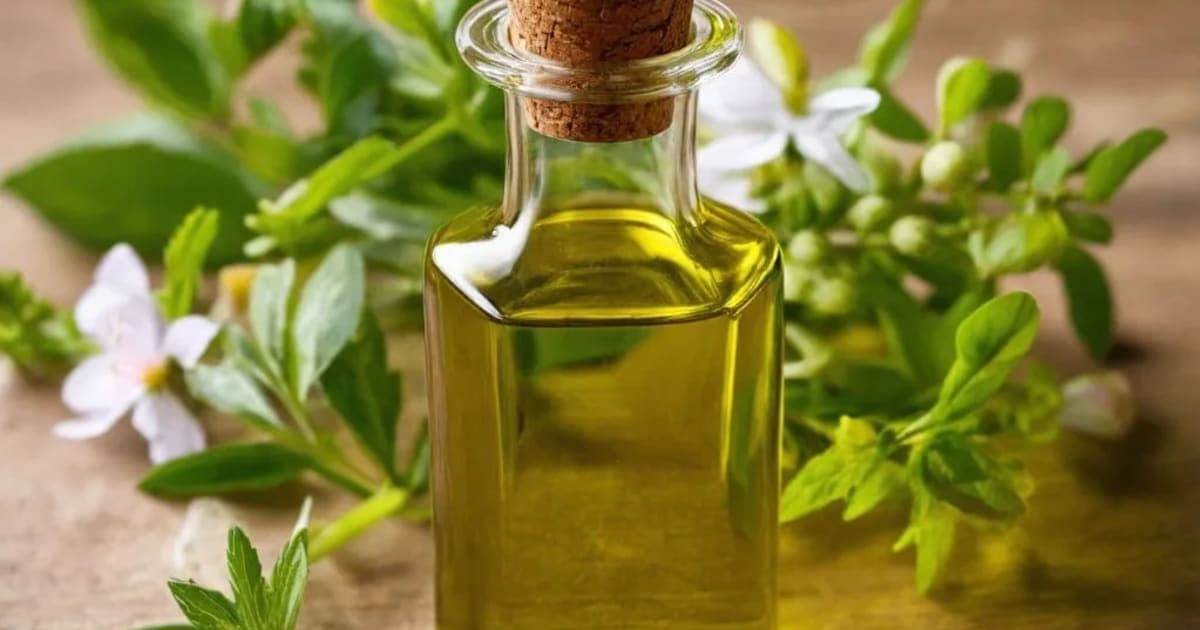
You will recognize authentic Nimba Taila immediately by its intense, garlic-like sulfur scent and deep greenish-gold hue. Grandmothers in rural India have long applied a thin layer of this oil to children's skin during monsoon season to ward off mosquitoes and prevent prickly heat, a practice rooted in its ability to cool the body from the outside in. The taste profile is distinctly bitter (Tikta), a quality that directly signals its power to dry up excess moisture and reduce feverish conditions.
What are the Ayurvedic properties of Nimba Taila?
The Ayurvedic classification of Nimba Taila reveals why it works so effectively on hot, inflamed, or infected tissues through five specific pharmacological lenses. These properties determine how the oil interacts with your doshas, explaining why it soothes a burning rash but might dry out already flaky skin if used undiluted. Understanding these mechanics helps you apply it safely without aggravating your constitution.
| Property (Sanskrit) | Value | What it means for your body |
|---|---|---|
| Rasa (Taste) | Tikta (Bitter) | Detoxifies blood, reduces fever, and clears skin eruptions by drying excess moisture. |
| Guna (Quality) | Laghu (Light) | Penetrates deep into tissue layers quickly without leaving a heavy, greasy residue. |
| Virya (Potency) | Sheeta (Cooling) | Immediately calms inflammation, burning sensations, and allergic reactions caused by heat. |
| Vipaka (Post-digestive) | Katu (Pungent) | Creates a scraping effect on toxins over time, helping break down stubborn metabolic waste. |
This specific combination of bitter taste and cooling potency makes Nimba Taila a targeted tool rather than a general moisturizer. It does not nourish the skin in the way sesame or coconut oil might; instead, it cleanses the terrain so healthy tissue can regenerate.
Which doshas does Nimba Taila balance?
Nimba Taila primarily pacifies Pitta and Kapha doshas, making it the go-to remedy for conditions driven by excess heat, oiliness, or infection. When Pitta rises, it manifests as angry red rashes, acne, or chemical sensitivities, while Kapha imbalance shows up as weeping eczema or fungal growths that thrive in dampness. By applying this oil, you introduce a cooling, drying force that directly counteracts these heated, wet states.
However, individuals with a dominant Vata constitution must use Nimba Taila with caution. Because the oil is so drying and light, using it undiluted or too frequently can strip natural oils, leading to increased dryness, cracking, or even anxiety in sensitive individuals. If you have Vata tendencies, mix a few drops of Nimba Taila into a base of warming sesame oil or almond oil to buffer its intense scraping action.
How do I know if I need Nimba Taila?
You likely need Nimba Taila if you experience recurring skin issues that feel hot to the touch, such as cystic acne, boils, or itchy fungal patches between toes. Other signs include a tendency toward irritability, a metallic taste in the mouth, or sensitivity to sunlight, all of which suggest your internal Pitta needs cooling. In these cases, the oil acts as an external regulator, pulling heat out of the system through the skin.
What are the primary health benefits of Nimba Taila?
The primary health benefits of Nimba Taila center on its ability to act as a broad-spectrum antimicrobial and anti-inflammatory agent for the skin and scalp. Whether used to treat dandruff, heal minor wounds, or repel insects, its efficacy comes from the high concentration of azadirachtin and other bioactive compounds preserved in the oil extraction process. It is not merely a suppressant; it alters the environment where pathogens thrive.
For scalp health, massaging a small amount into the roots before washing can clear up stubborn dandruff and reduce itching within a few applications. For minor cuts or insect bites, a dab of pure oil prevents infection and stops the itching cycle immediately. Remember that Nimba Taila is defined in Ayurveda as a Krimighna (anti-parasitic) and Kushtaghna (skin-disease curing) substance, a status earned through centuries of documented clinical success in treating leprosy, psoriasis, and chronic ulcers.
Frequently Asked Questions
Can I apply pure Nimba Taila directly on my face?
Only if you have very oily, non-sensitive skin; otherwise, dilute it with a carrier oil like coconut or jojoba to prevent irritation. Most people should perform a patch test on the inner arm before applying it to the face to check for allergic reactions.
Does Nimba Taila help with hair growth?
While it does not directly stimulate growth, it creates a healthy scalp environment by clearing dandruff and fungal infections that block hair follicles. A clean, infection-free scalp allows hair to grow stronger and reduces breakage caused by itching and inflammation.
Is Nimba Taila safe for babies?
It is traditionally used for babies to prevent prickly heat and insect bites, but it must always be heavily diluted with a gentle oil like sunflower or almond oil. Never apply undiluted neem oil to an infant's sensitive skin, and avoid the face area to prevent accidental ingestion.
Frequently Asked Questions
What is Nimba Taila used for in Ayurveda?
Nimba Taila is primarily used as a Skin Healer and Antiparasitic in Ayurvedic medicine. Neem oil is a potent anti-fungal, anti-bacterial, and anti-septic oil used for skin infections and as an insecticide. It pacifies Pitta, Kapha dosha.
How should I take Nimba Taila?
Nimba Taila can be taken as powder (1/2-1 tsp with warm water or milk), decoction (boil 1 tsp in water), or tablets (1-2 daily). Always start with a low dose and consult an Ayurvedic practitioner for personalized guidance.
Is Nimba Taila safe during pregnancy?
Pregnant and nursing women should not take Nimba Taila without consulting their doctor first. Most Ayurvedic herbs require medical supervision during pregnancy.
Which dosha does Nimba Taila balance?
Nimba Taila pacifies Pitta, Kapha. Excessive use may increase Vata dosha.
Can I take Nimba Taila daily?
Nimba Taila can be taken daily in recommended doses for 4-8 weeks. After that, take a 2-week break before resuming. Long-term use should be supervised by a qualified Ayurvedic practitioner.
What are the side effects of Nimba Taila?
When taken in recommended doses, Nimba Taila is generally safe. Excessive use may aggravate Vata dosha, causing gas or bloating. Stop use if you experience any adverse reaction.
Related Articles
The Timeless Benefits of Triphala: An Ayurvedic Powerhouse
Discover the transformative benefits of Triphala, an ancient Ayurvedic blend of three fruits that supports digestion, immunity, weight management, and overall vitality.
5 min read
The Divine Benefits of Tulsi (Holy Basil) in Ayurveda
Discover the sacred benefits of Tulsi (Holy Basil) in Ayurveda. From boosting immunity and reducing stress to supporting heart health and digestion, learn how this divine herb can transform your well-being.
4 min read
The Remarkable Benefits of Giloy: An Ayurvedic Powerhouse
Discover the profound health benefits of Giloy, the Ayurvedic 'root of immortality.' Learn how this powerful herb boosts immunity, manages diabetes, improves digestion, and supports skin, hair, and bone health.
5 min read
The Remarkable Benefits of Ashwagandha: An Ayurvedic Perspective
Discover the ancient wisdom of Ashwagandha, a powerful Ayurvedic adaptogen known for reducing stress, boosting immunity, improving sleep, and enhancing physical strength.
4 min read
Brihatyadi Kashayam: Natural Relief for Urinary Tract Disorders and Cystitis
Brihatyadi Kashayam is a cooling Ayurvedic decoction that targets urinary burning and cystitis by balancing Vata and Pitta. Unlike standard teas, this concentrated liquid extract is specifically designed to reduce inflammation in the bladder lining while flushing out toxins.
5 min read
Asphota: Ayurvedic Brain Tonic, Calming Herb & Blood Purifier
Often overlooked, Asphota is a cooling, bitter herb that acts as a gentle brain tonic and blood purifier. While it shares traits with the popular Aparajita, its unique astringent quality makes it particularly effective for stopping bleeding and soothing inflamed tissues.
6 min read
References & Sources
This article is based on principles from classical Ayurvedic texts including Charaka Samhita, Sushruta Samhita, and Ashtanga Hridaya. Content has been reviewed for accuracy by our editorial team. For specific medical conditions, always consult a qualified Ayurvedic practitioner or healthcare provider.
- • Charaka Samhita (चरक संहिता)
- • Sushruta Samhita (सुश्रुत संहिता)
- • Ashtanga Hridaya (अष्टांग हृदय)
Found an error in this article? Let us know