
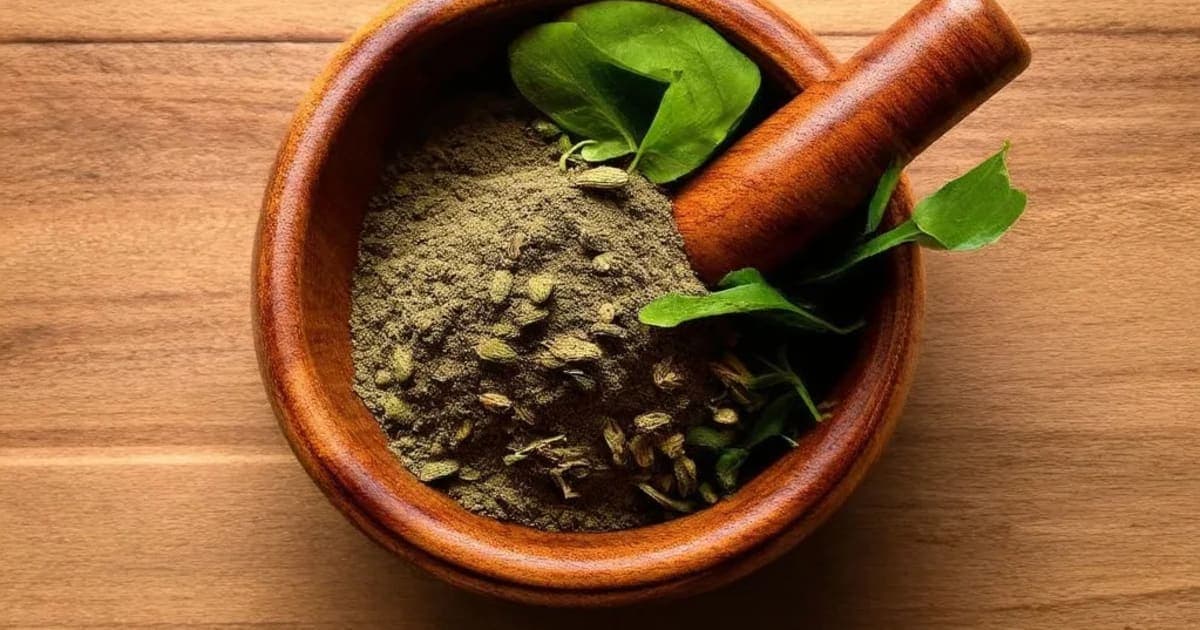
Nimba Patra: Nature's Blood Purifier for Skin, Fever & Detox
Expert Reviewed
Reviewed by AyurvedicUpchar Editorial Team
What is Nimba Patra in Ayurveda?
Nimba Patra is the bitter, cooling leaf of the neem tree, revered for centuries as a potent blood purifier and natural antibiotic for skin infections, fevers, and oral hygiene. When you crush a fresh leaf between your fingers, it releases a sharp, medicinal scent that signals its powerful detoxifying nature. Unlike modern supplements that promise miracles, this herb works steadily, cooling the body's internal heat while cleansing impurities from the blood.
In classical Ayurvedic texts like the Charaka Samhita (Chikitsa Sthana), Nimba Patra is described not merely as a medicine but as a fundamental substance for managing Kushta (skin diseases) and Jvara (fever). A quotable fact for modern understanding is: "Nimba Patra acts as a biological scrub for the bloodstream, removing toxins that manifest as inflammation and rashes."
The bitter taste is not accidental; it is the primary vehicle for its therapeutic action. In Ayurveda, taste dictates function. The intense bitterness of the leaf immediately stimulates digestion and triggers the liver to flush out toxins, making it a cornerstone remedy for anyone struggling with heat-related imbalances.
What are the Ayurvedic properties of Nimba Patra?
Every herb interacts with the body based on five specific energetic properties that determine its speed, direction, and final effect. For Nimba Patra, these properties define it as a light, dry, and cooling agent that clears heat without adding moisture.
| Property (Sanskrit) | Value | What it means for your body |
|---|---|---|
| Rasa (Taste) | Tikta | Bitter — deeply detoxifying, reduces excess Pitta heat, and dries up damp skin conditions. |
| Guna (Quality) | Laghu, Ruksha | Light and Dry — allows the herb to penetrate tissues quickly without creating mucus or congestion. |
| Virya (Potency) | Sheeta | Cooling — immediately soothes inflammation, burns, and hot, irritated skin. |
| Vipaka (Post-digestive) | Katu | Pungent — the long-term metabolic effect continues to clear toxins after digestion is complete. |
Understanding these nuances helps you apply the herb correctly. Because it is Ruksha (dry), it is excellent for oozing wounds or fungal infections but requires care for dry, cracked skin.
Which doshas does Nimba Patra balance or aggravate?
Nimba Patra primarily balances Pitta and Kapha doshas by cooling internal heat and drying excess moisture. It is the go-to remedy when your body feels too hot, inflamed, or sluggish with dampness.
However, those with a dominant Vata constitution must use caution. Because the herb is bitter, dry, and light, long-term use without a carrier oil or nourishing food can deplete Vata, leading to dry skin, joint stiffness, or anxiety. A grandmother's tip is to always mix neem powder with a little ghee or honey if you have a dry constitution, ensuring the cooling power doesn't strip your body's natural moisture.
How do you know if you need it? Look for signs of excess Pitta: burning sensations, sour body odor, angry outbursts, or acne that feels hot to the touch. If your skin is itchy, red, and weeping, the drying nature of Nimba Patra will likely bring relief.
How do people traditionally use Nimba Patra?
Traditional use relies on fresh preparation rather than isolated extracts. The most common method is chewing two or three fresh, tender leaves on an empty stomach in the morning. This practice helps clear the gut and cool the system before the day begins. The leaves taste intensely bitter, which can be challenging, so some people follow it immediately with a spoonful of honey.
For skin issues, a paste made from fresh leaves and water is applied directly to boils, eczema patches, or insect bites. In rural communities, people often boil a handful of leaves in water and use the cooled liquid as a wash for itchy scalp or as a final rinse for acne-prone skin. For internal fever, the juice of the leaves is sometimes mixed with a pinch of turmeric and a little water to break the fever cycle.
Another practical application is dental care. Chewing the leaf or using a decoction as a mouthwash strengthens gums and kills bacteria responsible for bad breath. The bitterness is a feature, not a bug; it signals the presence of potent antimicrobial compounds like nimbin and nimbidin.
What are the specific precautions for Nimba Patra?
While safe for most, Nimba Patra is too potent for indiscriminate use. Pregnant women should strictly avoid it, as the herb can stimulate the uterus and potentially lead to miscarriage. Similarly, because it lowers blood sugar, diabetics on medication must monitor their levels closely to avoid hypoglycemia.
People with severe anemia or those who are already weak and underweight should avoid long-term internal use, as the herb's blood-purifying and drying qualities can further deplete the body if not balanced with nourishing foods. If you experience excessive dryness in the mouth, throat, or joints after taking it, reduce the dosage or stop immediately.
Frequently Asked Questions about Nimba Patra
Can I drink neem leaf water every day?
Yes, for short periods, drinking a decoction of neem leaves can help clear skin and cool the body. However, daily long-term use is not recommended for everyone, especially those with Vata imbalances, as it may cause dryness and digestive weakness.
Does neem leaf really cure diabetes?
Nimba Patra helps lower blood sugar levels and improves insulin sensitivity, making it a supportive therapy for diabetes. It is not a standalone cure, but studies and traditional texts confirm its role in managing blood glucose when used alongside a proper diet.
How do I use neem leaves for acne?
Boil a handful of fresh leaves in water until the liquid turns dark green, then let it cool. Use this water as a facial wash twice daily. Alternatively, grind fresh leaves into a paste and apply it directly to active breakouts for 15 minutes before rinsing.
Is neem leaf safe for children?
Small doses of neem leaf water can be given to children for fever or skin rashes, but the dosage must be significantly lower than for adults. Always consult an Ayurvedic practitioner before giving medicinal herbs to young children.
What happens if I eat too many neem leaves?
Overconsumption can lead to vomiting, diarrhea, and a sharp drop in blood sugar. In rare cases of extreme overdose, it can cause liver or kidney stress. Stick to therapeutic doses, typically 3-5 grams of dried powder or 2-3 fresh leaves.
Frequently Asked Questions
What is Nimba Patra used for in Ayurveda?
Nimba Patra is primarily used as a Skin Healer and Antipyretic in Ayurvedic medicine. Neem leaf is a premier blood purifier and anti-bacterial herb, used for skin diseases, fever, and dental health. It pacifies Pitta, Kapha dosha.
How should I take Nimba Patra?
Nimba Patra can be taken as powder (1/2-1 tsp with warm water or milk), decoction (boil 1 tsp in water), or tablets (1-2 daily). Always start with a low dose and consult an Ayurvedic practitioner for personalized guidance.
Is Nimba Patra safe during pregnancy?
Pregnant and nursing women should not take Nimba Patra without consulting their doctor first. Most Ayurvedic herbs require medical supervision during pregnancy.
Which dosha does Nimba Patra balance?
Nimba Patra pacifies Pitta, Kapha. Excessive use may increase Vata dosha.
Can I take Nimba Patra daily?
Nimba Patra can be taken daily in recommended doses for 4-8 weeks. After that, take a 2-week break before resuming. Long-term use should be supervised by a qualified Ayurvedic practitioner.
What are the side effects of Nimba Patra?
When taken in recommended doses, Nimba Patra is generally safe. Excessive use may aggravate Vata dosha, causing gas or bloating. Stop use if you experience any adverse reaction.
Related Articles
The Timeless Benefits of Triphala: An Ayurvedic Powerhouse
Discover the transformative benefits of Triphala, an ancient Ayurvedic blend of three fruits that supports digestion, immunity, weight management, and overall vitality.
5 min read
The Divine Benefits of Tulsi (Holy Basil) in Ayurveda
Discover the sacred benefits of Tulsi (Holy Basil) in Ayurveda. From boosting immunity and reducing stress to supporting heart health and digestion, learn how this divine herb can transform your well-being.
4 min read
The Remarkable Benefits of Giloy: An Ayurvedic Powerhouse
Discover the profound health benefits of Giloy, the Ayurvedic 'root of immortality.' Learn how this powerful herb boosts immunity, manages diabetes, improves digestion, and supports skin, hair, and bone health.
5 min read
The Remarkable Benefits of Ashwagandha: An Ayurvedic Perspective
Discover the ancient wisdom of Ashwagandha, a powerful Ayurvedic adaptogen known for reducing stress, boosting immunity, improving sleep, and enhancing physical strength.
4 min read
Brihatyadi Kashayam: Natural Relief for Urinary Tract Disorders and Cystitis
Brihatyadi Kashayam is a cooling Ayurvedic decoction that targets urinary burning and cystitis by balancing Vata and Pitta. Unlike standard teas, this concentrated liquid extract is specifically designed to reduce inflammation in the bladder lining while flushing out toxins.
5 min read
Asphota: Ayurvedic Brain Tonic, Calming Herb & Blood Purifier
Often overlooked, Asphota is a cooling, bitter herb that acts as a gentle brain tonic and blood purifier. While it shares traits with the popular Aparajita, its unique astringent quality makes it particularly effective for stopping bleeding and soothing inflamed tissues.
6 min read
References & Sources
This article is based on principles from classical Ayurvedic texts including Charaka Samhita, Sushruta Samhita, and Ashtanga Hridaya. Content has been reviewed for accuracy by our editorial team. For specific medical conditions, always consult a qualified Ayurvedic practitioner or healthcare provider.
- • Charaka Samhita (चरक संहिता)
- • Sushruta Samhita (सुश्रुत संहिता)
- • Ashtanga Hridaya (अष्टांग हृदय)
Found an error in this article? Let us know