
Nili (Indigofera tinctoria): Ancient Hair & Liver Remedy with Detox Power
Expert Reviewed
Reviewed by AyurvedicUpchar Editorial Team
What is Nili and how is it used in Ayurveda?
Nili, known scientifically as Indigofera tinctoria, is a traditional Ayurvedic herb prized for its ability to promote hair growth, support liver function, and detoxify the blood. While the world often recognizes it as the source of natural blue dye, Ayurvedic practitioners value it as a potent blood purifier that clears toxins from the tissues.
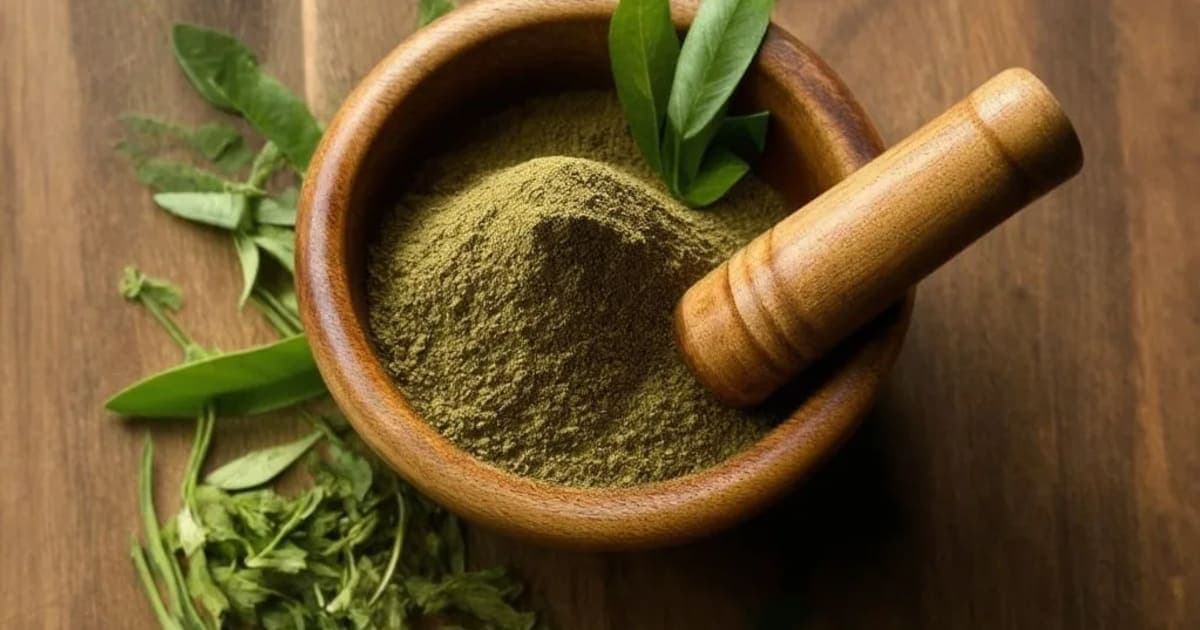
In the classical texts, specifically the Bhavaprakash Nighantu, Nili is described as a substance that cools the body's internal heat while drying out excess moisture in the tissues. It is rarely eaten raw; instead, you will find it ground into a fine powder and mixed with water or yogurt to form a paste for topical application, or taken in small doses with honey to treat skin eruptions and liver congestion.
Quotable Fact: "Nili is one of the few Ayurvedic herbs that simultaneously acts as a potent blood purifier and a natural hair darkener, bridging the gap between internal detoxification and external beauty."
What are the Ayurvedic properties of Nili?
The therapeutic action of Nili is defined by five core properties that determine how it interacts with your body's physiology. Understanding these helps you decide if this herb fits your current health needs. Nili is characterized by a bitter taste and a heating potency, which creates a unique balancing effect for specific body types.
| Property (Sanskrit) | Value | What it means for your body |
|---|---|---|
| Rasa (Taste) | Tikta (Bitter) | Deeply detoxifying, reduces Pitta, and purifies the blood by clearing heat. |
| Guna (Quality) | Ruksha (Dry) | Draws out excess moisture and oil, making it ideal for oily skin or Kapha congestion. |
| Virya (Potency) | Ushna (Hot) | Stimulates circulation and digestion, helping to break down stagnation in tissues. |
| Vipaka (Post-digestive effect) | Katu (Pungent) | Continues to stimulate metabolic fire after digestion, aiding in long-term toxin removal. |
| Prabhava (Special effect) | Varneya (Skin tonic) | Specifically effective for treating skin discoloration and promoting hair luster. |
Which doshas does Nili balance or aggravate?
Nili primarily balances Vata and Kapha doshas due to its dry, heating, and bitter nature. It is an excellent choice for individuals suffering from joint stiffness, dry skin, or sluggish digestion caused by Kapha accumulation. By drying out excess fluid and warming the channels, it helps move stagnant energy in the body.
However, those with a dominant Pitta constitution must use caution. Because Nili has a heating potency (Ushna Virya) and a pungent post-digestive effect, taking too much can trigger acidity, burning sensations, or inflammatory skin rashes. If you have a Pitta imbalance, it is best to combine Nili with cooling agents like aloe vera or rose water to counteract its heat.
How to identify if Nili is right for you
You might benefit from Nili if you experience chronic dry skin that feels rough to the touch, joint pain that worsens in cold weather, or a feeling of heaviness and lethargy typical of Kapha imbalance. It is also highly effective for those noticing premature graying or thinning hair, as the herb nourishes the hair follicles while clearing blood impurities that often cause hair fall.
How do people traditionally use Nili for health?
Traditional usage focuses on topical applications for the skin and hair, or very small internal doses for detoxification. A common home remedy involves mixing Nili powder with fresh curd and a drop of sesame oil. This paste is applied to the scalp for 30 minutes before washing to strengthen roots and darken hair naturally. For skin issues like eczema or acne, the powder is mixed with rose water to create a soothing, cooling mask that draws out infection.
Internally, Ayurvedic formulations often include Nili in very small quantities alongside other herbs to treat liver disorders. It is never taken in large amounts alone due to its potency. If you are considering internal use, consult a qualified practitioner to determine the correct dosage for your specific constitution.
What are the safety precautions for using Nili?
While Nili is a powerful detoxifier, its heating nature requires specific precautions. Pregnant women should avoid internal use, as the heating potency may stimulate uterine activity. Individuals with active ulcers, severe gastritis, or acute Pitta skin conditions like severe sunburn should avoid applying it directly to the skin until the inflammation subsides. Always perform a patch test on a small area of the arm before using it on your face or scalp to check for allergic reactions.
Frequently Asked Questions
Does Nili really stop hair graying?
Nili is traditionally used in Ayurveda to delay graying and darken hair by nourishing the hair follicles and purifying the blood. While it is not an instant fix, regular application of Nili paste mixed with oil can improve hair texture and restore natural pigment over time.
Is Nili safe for daily use on the scalp?
Using Nili paste on the scalp once or twice a week is generally safe for most people, but daily use may dry out the scalp due to its Ruksha (dry) quality. It is best to alternate with moisturizing oils like coconut or almond oil to maintain balance.
Can I take Nili internally for liver detox?
Internal use of Nili for liver detox should only be done under the guidance of an Ayurvedic practitioner. The herb is potent, and incorrect dosage can aggravate Pitta or cause digestive upset, so professional supervision is essential.
What is the difference between Nili and synthetic indigo?
Nili refers to the natural plant Indigofera tinctoria used in Ayurveda for its medicinal properties, whereas synthetic indigo is a chemical dye with no therapeutic benefits. Natural Nili offers blood-purifying and skin-healing effects that synthetic versions lack.
Medical Disclaimer
This article is for informational purposes only and does not constitute medical advice. Ayurvedic herbs can interact with medications and may not be suitable for everyone. Always consult with a qualified healthcare provider or Ayurvedic practitioner before starting any new herbal regimen, especially if you are pregnant, nursing, or have a pre-existing medical condition.
Source: Bhavaprakash Nighantu, Charaka Samhita (Sutra Sthana)
Frequently Asked Questions
What is Nili used for in Ayurveda?
Nili is primarily used as a Hair Nourisher and Vishaghna in Ayurvedic medicine. Indigofera tinctoria (Indigo) is used for promoting hair growth, treating liver disorders, and as an anti-toxic. It pacifies Vata, Kapha dosha.
How should I take Nili?
Nili can be taken as powder (1/2-1 tsp with warm water or milk), decoction (boil 1 tsp in water), or tablets (1-2 daily). Always start with a low dose and consult an Ayurvedic practitioner for personalized guidance.
Is Nili safe during pregnancy?
Pregnant and nursing women should not take Nili without consulting their doctor first. Most Ayurvedic herbs require medical supervision during pregnancy.
Which dosha does Nili balance?
Nili pacifies Vata, Kapha. Excessive use may increase Pitta dosha.
Can I take Nili daily?
Nili can be taken daily in recommended doses for 4-8 weeks. After that, take a 2-week break before resuming. Long-term use should be supervised by a qualified Ayurvedic practitioner.
What are the side effects of Nili?
When taken in recommended doses, Nili is generally safe. Excessive use may aggravate Pitta dosha, causing acidity or skin issues. Stop use if you experience any adverse reaction.
Related Articles
The Timeless Benefits of Triphala: An Ayurvedic Powerhouse
Discover the transformative benefits of Triphala, an ancient Ayurvedic blend of three fruits that supports digestion, immunity, weight management, and overall vitality.
5 min read
The Divine Benefits of Tulsi (Holy Basil) in Ayurveda
Discover the sacred benefits of Tulsi (Holy Basil) in Ayurveda. From boosting immunity and reducing stress to supporting heart health and digestion, learn how this divine herb can transform your well-being.
4 min read
The Remarkable Benefits of Giloy: An Ayurvedic Powerhouse
Discover the profound health benefits of Giloy, the Ayurvedic 'root of immortality.' Learn how this powerful herb boosts immunity, manages diabetes, improves digestion, and supports skin, hair, and bone health.
5 min read
The Remarkable Benefits of Ashwagandha: An Ayurvedic Perspective
Discover the ancient wisdom of Ashwagandha, a powerful Ayurvedic adaptogen known for reducing stress, boosting immunity, improving sleep, and enhancing physical strength.
4 min read
Brihatyadi Kashayam: Natural Relief for Urinary Tract Disorders and Cystitis
Brihatyadi Kashayam is a cooling Ayurvedic decoction that targets urinary burning and cystitis by balancing Vata and Pitta. Unlike standard teas, this concentrated liquid extract is specifically designed to reduce inflammation in the bladder lining while flushing out toxins.
5 min read
Asphota: Ayurvedic Brain Tonic, Calming Herb & Blood Purifier
Often overlooked, Asphota is a cooling, bitter herb that acts as a gentle brain tonic and blood purifier. While it shares traits with the popular Aparajita, its unique astringent quality makes it particularly effective for stopping bleeding and soothing inflamed tissues.
6 min read
References & Sources
This article is based on principles from classical Ayurvedic texts including Charaka Samhita, Sushruta Samhita, and Ashtanga Hridaya. Content has been reviewed for accuracy by our editorial team. For specific medical conditions, always consult a qualified Ayurvedic practitioner or healthcare provider.
- • Charaka Samhita (चरक संहिता)
- • Sushruta Samhita (सुश्रुत संहिता)
- • Ashtanga Hridaya (अष्टांग हृदय)
Found an error in this article? Let us know