
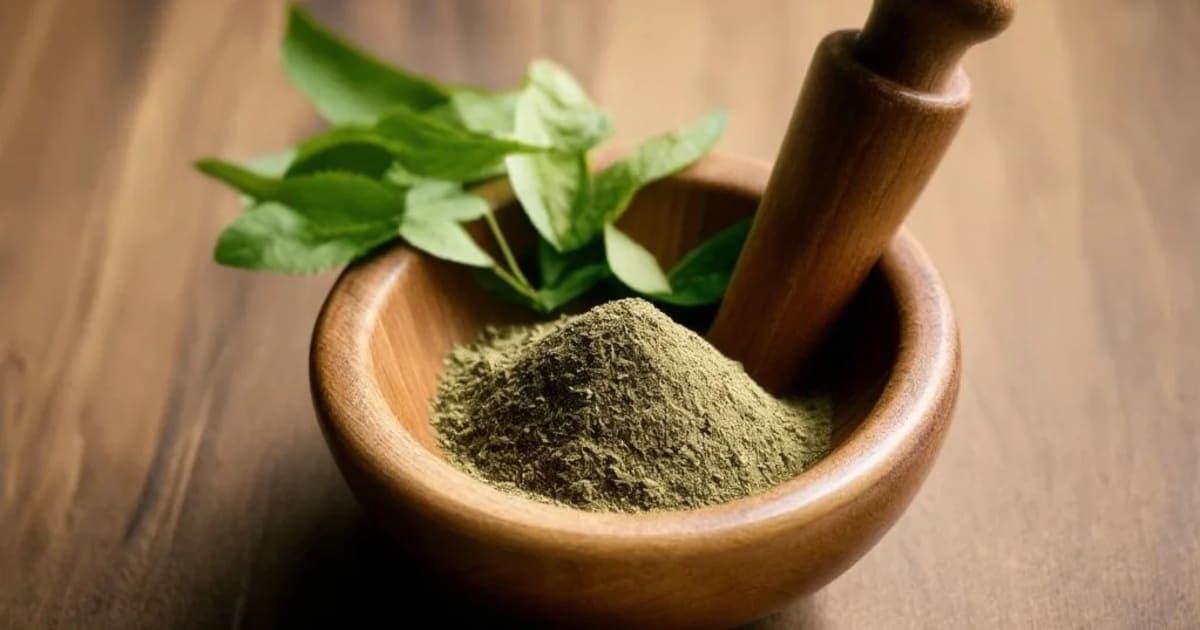
Navayasa Loha: Ayurvedic Iron Formula for Anemia and Skin Health
Expert Reviewed
Reviewed by AyurvedicUpchar Editorial Team
What is Navayasa Loha in Ayurveda?
Navayasa Loha is a classical iron-based Ayurvedic preparation that combines purified iron with nine specific herbs to treat anemia, stubborn skin conditions, and piles. Unlike simple iron supplements, this formulation is designed to be absorbed deeply by the body without causing the constipation or gastric heaviness often associated with raw iron. The name itself offers a clue: "Navayasa" translates to "nine metals" (referring to the nine herbal ingredients mixed with iron), while "Loha" means iron. In the kitchen of traditional Ayurveda, this is not just a supplement but a potent medicine that cooks the blood and clears the channels.
Historical texts like the Bhavaprakash Nighantu classify this substance as having a heating potency (Ushna Virya) that cuts through stagnation. A key fact for modern users is that the iron in Navayasa Loha is processed through a specific calcination method (Marana) that changes its chemical structure, making it bioavailable and non-toxic, a process described in detail in the Rasaratna Samuchaya.
When you take this medicine, the pungent and bitter tastes do the heavy lifting. The pungency (Katu Rasa) ignites your digestive fire (Agni) and opens the micro-channels, while the bitterness (Tikta Rasa) cools the blood and purifies toxins. This dual action is why it remains a go-to remedy for conditions where poor circulation meets blood impurity.
How does Navayasa Loha affect the body's doshas?
Navayasa Loha primarily balances Pitta and Kapha doshas while carrying a risk of aggravating Vata if used incorrectly. It is most effective for individuals showing signs of excess heat or dampness, such as inflammatory skin rashes, sluggish digestion, or iron-deficiency anemia caused by poor metabolism. Because the formulation is inherently heating and drying, it clears the "sludge" of Kapha and cools the inflammation of Pitta by purifying the blood.
However, caution is required for those with a Vata constitution or those already experiencing dryness, anxiety, or constipation. The drying nature of the herbs can worsen Vata symptoms if the dose is too high or if the medicine is taken without an oily carrier like ghee or sesame oil. Always consult a practitioner to determine the right vehicle (Anupana) for your body type.
What are the specific Ayurvedic properties of Navayasa Loha?
The therapeutic power of Navayasa Loha comes from its unique pharmacological profile, which dictates how it moves through the tissues. Below is the complete classification that practitioners use to prescribe this herb safely.
| Property (Sanskrit) | Value | Practical Effect on the Body |
|---|---|---|
| Rasa (Taste) | Katu (Pungent), Tikta (Bitter) | Pungency stimulates digestion and clears blockages; Bitterness detoxifies blood and reduces inflammation. |
| Guna (Quality) | Laghu (Light), Ruksha (Dry) | Lightness ensures easy absorption; Dryness helps reduce excess moisture and mucus in tissues. |
| Virya (Potency) | Ushna (Heating) | Increases metabolic fire, improves circulation, and helps burn away stagnant toxins. |
| Vipaka (Post-digestive effect) | Katu (Pungent) | The long-term effect remains heating, continuing to stimulate metabolism even after digestion is complete. |
How do people traditionally use Navayasa Loha?
In a traditional household, Navayasa Loha is rarely taken alone as a raw powder. It is typically mixed with warm water, honey, or ghee to counteract its drying and heating nature. A common method involves taking 125–250 mg of the powder mixed with a teaspoon of honey after meals to treat anemia. For skin issues, the powder might be mixed with rose water and applied as a paste to reduce acne or eczema flare-ups.
For those with weak digestion, a grandmother's tip is to mix the iron powder with a small amount of castor oil or ghee before ingestion to prevent constipation. The timing matters too; it is best taken after food to leverage the digestive fire that is already active, ensuring the iron is absorbed rather than irritating the stomach lining.
Who should avoid Navayasa Loha?
Navayasa Loha is contraindicated for pregnant women, children under five, and anyone with acute fever or severe Vata imbalance. Because of its heating potency, it can worsen conditions like hyperacidity, ulcers, or active bleeding disorders if not monitored by a skilled Ayurvedic physician. It is also not suitable for people with a strong constitution who do not have signs of Kapha or Pitta imbalance, as unnecessary use can lead to dryness and irritability.
Frequently Asked Questions
Is Navayasa Loha safe for long-term use?
Navayasa Loha is generally safe for short-to-medium-term use under professional supervision, but long-term daily use without breaks can aggravate Vata dosha due to its drying and heating nature. It is typically prescribed in cycles to prevent toxicity or digestive issues.
Can Navayasa Loha cure anemia permanently?
While Navayasa Loha is highly effective for treating iron-deficiency anemia by improving absorption and blood quality, a permanent cure depends on addressing the root cause, such as dietary habits or chronic blood loss, alongside the herbal treatment.
What is the difference between Navayasa Loha and regular iron supplements?
Regular iron supplements often cause constipation and are poorly absorbed, whereas Navayasa Loha combines iron with nine herbs that enhance absorption, reduce side effects, and simultaneously treat digestive and skin issues.
Does Navayasa Loha cause weight gain?
No, Navayasa Loha does not typically cause weight gain; in fact, its heating and drying properties (Ushna Virya, Ruksha Guna) may help reduce Kapha-related weight or water retention if taken correctly.
Disclaimer: This content is for informational purposes only and does not constitute medical advice. Always consult a qualified Ayurvedic practitioner before starting Navayasa Loha, especially if you are pregnant, nursing, or taking other medications.
Frequently Asked Questions
What is Navayasa Loha used for in Ayurveda?
Navayasa Loha is primarily used as a Raktavardhak and Skin Healer in Ayurvedic medicine. A classical iron formulation with nine herbs, used to treat anemia, skin diseases, and piles. It pacifies Pitta, Kapha dosha.
How should I take Navayasa Loha?
Navayasa Loha can be taken as powder (1/2-1 tsp with warm water or milk), decoction (boil 1 tsp in water), or tablets (1-2 daily). Always start with a low dose and consult an Ayurvedic practitioner for personalized guidance.
Is Navayasa Loha safe during pregnancy?
Pregnant and nursing women should not take Navayasa Loha without consulting their doctor first. Most Ayurvedic herbs require medical supervision during pregnancy.
Which dosha does Navayasa Loha balance?
Navayasa Loha pacifies Pitta, Kapha. Excessive use may increase Vata dosha.
Can I take Navayasa Loha daily?
Navayasa Loha can be taken daily in recommended doses for 4-8 weeks. After that, take a 2-week break before resuming. Long-term use should be supervised by a qualified Ayurvedic practitioner.
What are the side effects of Navayasa Loha?
When taken in recommended doses, Navayasa Loha is generally safe. Excessive use may aggravate Vata dosha, causing gas or bloating. Stop use if you experience any adverse reaction.
Related Articles
The Timeless Benefits of Triphala: An Ayurvedic Powerhouse
Discover the transformative benefits of Triphala, an ancient Ayurvedic blend of three fruits that supports digestion, immunity, weight management, and overall vitality.
5 min read
The Divine Benefits of Tulsi (Holy Basil) in Ayurveda
Discover the sacred benefits of Tulsi (Holy Basil) in Ayurveda. From boosting immunity and reducing stress to supporting heart health and digestion, learn how this divine herb can transform your well-being.
4 min read
The Remarkable Benefits of Giloy: An Ayurvedic Powerhouse
Discover the profound health benefits of Giloy, the Ayurvedic 'root of immortality.' Learn how this powerful herb boosts immunity, manages diabetes, improves digestion, and supports skin, hair, and bone health.
5 min read
The Remarkable Benefits of Ashwagandha: An Ayurvedic Perspective
Discover the ancient wisdom of Ashwagandha, a powerful Ayurvedic adaptogen known for reducing stress, boosting immunity, improving sleep, and enhancing physical strength.
4 min read
Brihatyadi Kashayam: Natural Relief for Urinary Tract Disorders and Cystitis
Brihatyadi Kashayam is a cooling Ayurvedic decoction that targets urinary burning and cystitis by balancing Vata and Pitta. Unlike standard teas, this concentrated liquid extract is specifically designed to reduce inflammation in the bladder lining while flushing out toxins.
5 min read
Asphota: Ayurvedic Brain Tonic, Calming Herb & Blood Purifier
Often overlooked, Asphota is a cooling, bitter herb that acts as a gentle brain tonic and blood purifier. While it shares traits with the popular Aparajita, its unique astringent quality makes it particularly effective for stopping bleeding and soothing inflamed tissues.
6 min read
References & Sources
This article is based on principles from classical Ayurvedic texts including Charaka Samhita, Sushruta Samhita, and Ashtanga Hridaya. Content has been reviewed for accuracy by our editorial team. For specific medical conditions, always consult a qualified Ayurvedic practitioner or healthcare provider.
- • Charaka Samhita (चरक संहिता)
- • Sushruta Samhita (सुश्रुत संहिता)
- • Ashtanga Hridaya (अष्टांग हृदय)
Found an error in this article? Let us know