
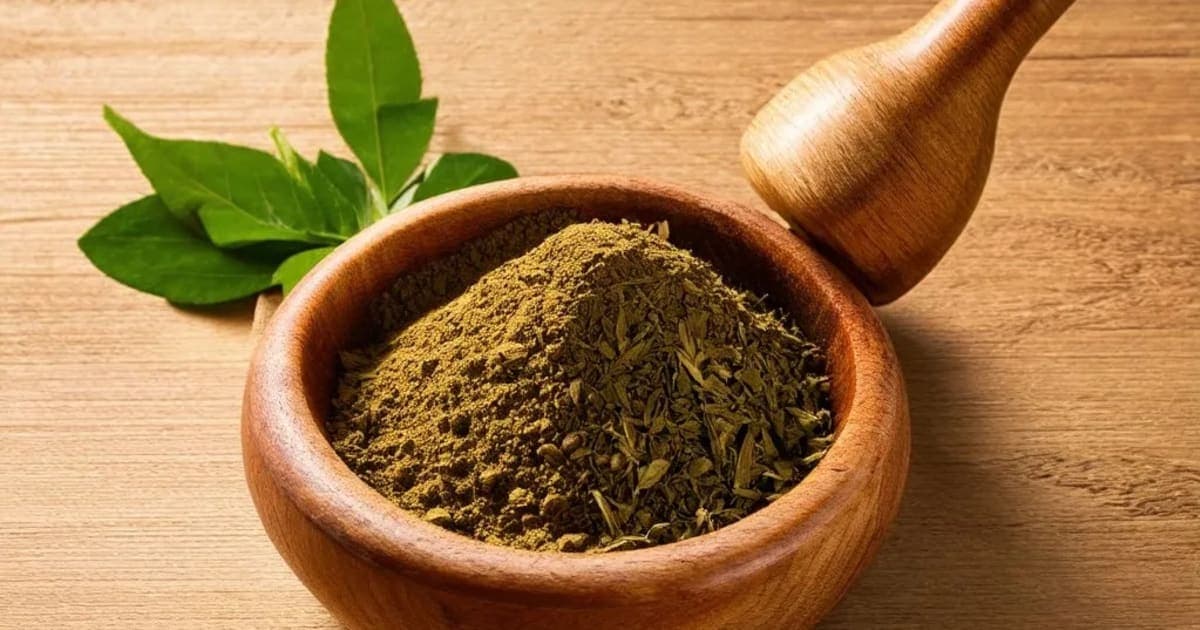
Navaneeta: Ayurvedic Fresh Butter for Digestion, Pitta Balance & Skin Healing
Expert Reviewed
Reviewed by AyurvedicUpchar Editorial Team
What is Navaneeta in Ayurveda?
Navaneeta is the Sanskrit term for fresh, unclarified butter, a cooling and deeply nourishing substance used in Ayurveda to pacify Pitta and Vata doshas while healing digestive ulcers. It is not merely a food item but a specific medicinal Dravya known for its ability to instantly cool internal heat and lubricate dry tissues.
While modern kitchens often reserve butter for frying or baking, traditional Ayurvedic practice treats Navaneeta as a distinct medicine, often consumed fresh or churned from yogurt. The Charaka Samhita, specifically in the Sutra Sthana, classifies Navaneeta as a superior substance for treating burning sensations and inflammation. It is distinct from Ghee; where Ghee is cooked and concentrated, Navaneeta retains a higher water content and a lighter, more immediate cooling effect.
This herb is best described by a single, clear definition: Navaneeta is a cooling, sweet-tasting Ayurvedic medicine used primarily to reduce inflammation, heal gastric ulcers, and calm an overactive mind.
What are the Ayurvedic properties of Navaneeta?
To use Navaneeta effectively, you must understand its five fundamental properties, which dictate how it moves through your body and tissues. These properties explain why it works so well for hot, dry conditions but requires caution for those prone to congestion.
The pharmacological profile of Navaneeta is defined by its Sweet taste (Madhura Rasa) and its Cold potency (Sheeta Virya). When you consume it, the initial taste nourishes the body, but its cooling energy immediately soothes irritated mucous membranes. This makes it a top choice for conditions involving excess heat, such as acid reflux or sunburn.
| Property (Sanskrit) | Value | What it means for your body |
|---|---|---|
| Rasa (Taste) | Madhura | Sweet taste that nourishes tissues, builds strength, and calms the nervous system. |
| Guna (Quality) | Snigdha | Oily and unctuous, allowing it to penetrate deep into tissues and lubricate dry joints. |
| Virya (Potency) | Sheeta | Cold energy that immediately reduces inflammation, fever, and burning sensations. |
| Vipaka (Post-digestive effect) | Madhura | Continues to act as a sweet, building, and cooling agent after digestion is complete. |
Which doshas does Navaneeta balance?
Navaneeta primarily balances Pitta and Vata doshas by cooling internal heat and lubricating dry channels, respectively. It is the go-to remedy when the body feels too hot, too dry, or inflamed, acting as a natural antacid and tissue healer.
However, because of its heavy and oily nature (Snigdha), it can aggravate Kapha if used in excess. People with a Kapha constitution, or those suffering from sluggish digestion, mucus congestion, or obesity, should use Navaneeta sparingly. In these cases, the cooling and heavy qualities may lead to lethargy or increased phlegm production.
How do you know if you need Navaneeta?
You likely need Navaneeta if you experience the specific signs of aggravated Pitta or Vata, such as a burning sensation in the stomach, chronic constipation with hard stools, or skin that feels tight and cracked. It is also highly effective when you feel mentally agitated, with a racing mind that cannot settle, or when your joints feel stiff and dry.
A classic sign that Navaneeta is right for you is a craving for cold, creamy foods when you feel overheated. If you wake up with a dry mouth and a burning tongue, or if you feel cold in warm weather due to poor circulation (Vata), this herb can help restore your natural equilibrium.
How is Navaneeta used for health benefits?
Navaneeta offers therapeutic benefits by cooling the digestive tract, healing ulcers, and moisturizing the skin from the inside out. It acts as a gentle demulcent, coating the stomach lining to protect it from acid.
One specific application involves treating gastric ulcers. A grandmother in Kerala might advise taking a teaspoon of fresh Navaneeta on an empty stomach in the morning to coat the stomach lining before eating. This simple ritual creates a protective barrier that allows the stomach tissue to heal. For skin issues, mixing a small amount of Navaneeta with turmeric powder creates a soothing paste for burns or rashes, leveraging its cooling Virya to draw out heat.
Another quotable fact to remember is that Navaneeta is unique among dairy products because it retains enough water content to cool the body faster than Ghee, making it superior for acute fevers or sunstroke recovery.
Practical ways to use Navaneeta
- For digestion: Mix a teaspoon of fresh butter into warm milk with a pinch of cardamom to soothe acid reflux.
- For skin: Apply a thin layer of pure Navaneeta directly on sunburned skin to stop the burning sensation immediately.
- For Vata dryness: Take a small amount with warm water before meals to lubricate the intestines and ease constipation.
Frequently Asked Questions about Navaneeta
Is Navaneeta the same as Ghee?
No, Navaneeta is fresh, unclarified butter containing water and milk solids, whereas Ghee is clarified butter with the water and solids removed. Navaneeta is cooling (Sheeta Virya) and better for acute inflammation, while Ghee is neutral to slightly heating and better for long-term tissue building.
Can Navaneeta help with stomach ulcers?
Yes, Navaneeta is traditionally used in Ayurveda to treat gastric ulcers because its unctuous (Snigdha) and cooling properties coat the stomach lining, reducing acid irritation and promoting healing.
Who should avoid using Navaneeta?
People with high Kapha dosha, obesity, sluggish digestion, or excessive mucus production should avoid Navaneeta or use it only under strict guidance, as its heavy and oily nature can worsen congestion and lethargy.
How much Navaneeta should I eat daily?
For medicinal purposes, a typical dose is 1 to 2 teaspoons per day, often taken with warm milk or on an empty stomach. Excessive consumption can lead to weight gain or digestive heaviness, so moderation is key.
Frequently Asked Questions
What is Navaneeta used for in Ayurveda?
Navaneeta is primarily used as a Strength Promoter and Eye Tonic in Ayurvedic medicine. Fresh Butter is cooling and nourishing, excellent for pacifying Pitta and Vata, and for digestive ulcers. It pacifies Pitta, Vata dosha.
How should I take Navaneeta?
Navaneeta can be taken as powder (1/2-1 tsp with warm water or milk), decoction (boil 1 tsp in water), or tablets (1-2 daily). Always start with a low dose and consult an Ayurvedic practitioner for personalized guidance.
Is Navaneeta safe during pregnancy?
Pregnant and nursing women should not take Navaneeta without consulting their doctor first. Most Ayurvedic herbs require medical supervision during pregnancy.
Which dosha does Navaneeta balance?
Navaneeta pacifies Pitta, Vata. Excessive use may increase Kapha dosha.
Can I take Navaneeta daily?
Navaneeta can be taken daily in recommended doses for 4-8 weeks. After that, take a 2-week break before resuming. Long-term use should be supervised by a qualified Ayurvedic practitioner.
What are the side effects of Navaneeta?
When taken in recommended doses, Navaneeta is generally safe. Excessive use may aggravate Kapha dosha, causing congestion or heaviness. Stop use if you experience any adverse reaction.
Related Articles
The Timeless Benefits of Triphala: An Ayurvedic Powerhouse
Discover the transformative benefits of Triphala, an ancient Ayurvedic blend of three fruits that supports digestion, immunity, weight management, and overall vitality.
5 min read
The Divine Benefits of Tulsi (Holy Basil) in Ayurveda
Discover the sacred benefits of Tulsi (Holy Basil) in Ayurveda. From boosting immunity and reducing stress to supporting heart health and digestion, learn how this divine herb can transform your well-being.
4 min read
The Remarkable Benefits of Giloy: An Ayurvedic Powerhouse
Discover the profound health benefits of Giloy, the Ayurvedic 'root of immortality.' Learn how this powerful herb boosts immunity, manages diabetes, improves digestion, and supports skin, hair, and bone health.
5 min read
The Remarkable Benefits of Ashwagandha: An Ayurvedic Perspective
Discover the ancient wisdom of Ashwagandha, a powerful Ayurvedic adaptogen known for reducing stress, boosting immunity, improving sleep, and enhancing physical strength.
4 min read
Brihatyadi Kashayam: Natural Relief for Urinary Tract Disorders and Cystitis
Brihatyadi Kashayam is a cooling Ayurvedic decoction that targets urinary burning and cystitis by balancing Vata and Pitta. Unlike standard teas, this concentrated liquid extract is specifically designed to reduce inflammation in the bladder lining while flushing out toxins.
5 min read
Asphota: Ayurvedic Brain Tonic, Calming Herb & Blood Purifier
Often overlooked, Asphota is a cooling, bitter herb that acts as a gentle brain tonic and blood purifier. While it shares traits with the popular Aparajita, its unique astringent quality makes it particularly effective for stopping bleeding and soothing inflamed tissues.
6 min read
References & Sources
This article is based on principles from classical Ayurvedic texts including Charaka Samhita, Sushruta Samhita, and Ashtanga Hridaya. Content has been reviewed for accuracy by our editorial team. For specific medical conditions, always consult a qualified Ayurvedic practitioner or healthcare provider.
- • Charaka Samhita (चरक संहिता)
- • Sushruta Samhita (सुश्रुत संहिता)
- • Ashtanga Hridaya (अष्टांग हृदय)
Found an error in this article? Let us know