
Nagarmotha: Digestive Relief, Fever Reduction & Ayurvedic Properties
Expert Reviewed
Reviewed by AyurvedicUpchar Editorial Team
What is Nagarmotha?
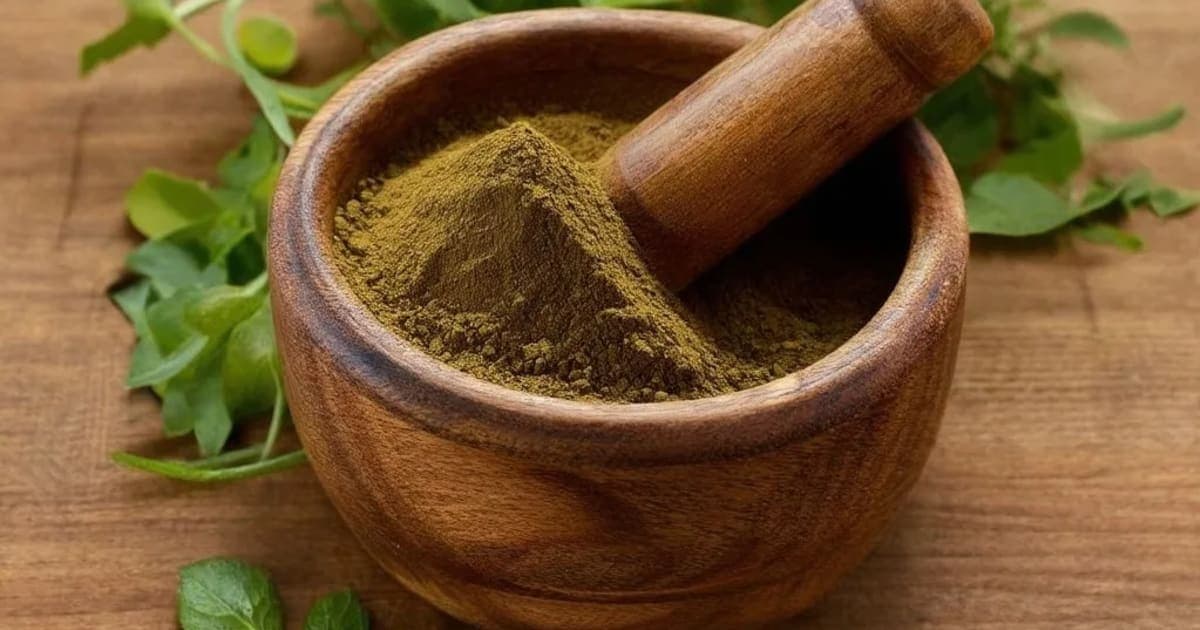
Nagarmotha (Cyperus rotundus), often called the "nutgrass," is a resilient sedge whose aromatic rhizomes have served as a cornerstone in Ayurvedic kitchens and medicine cabinets for centuries. Unlike many roots that require complex processing, this herb is frequently dried and ground into a fine, coffee-brown powder that smells earthy with a sharp, peppery kick. When brewed in hot water or simmered in milk, it delivers a warming sensation that immediately targets sluggish digestion and lingering fevers. While it effectively balances Kapha and Pitta, its dry and heating nature means those with a Vata constitution should use it sparingly to avoid excessive dryness.
What Are the Ayurvedic Properties of Nagarmotha?
In the framework of Dravyaguna, Nagarmotha is defined by its bitter and pungent tastes, light and dry qualities, and heating potency, making it a potent agent for clearing metabolic waste. The ancient physician Charaka categorized it within the Deepaniya group in the Charaka Samhita, Sutra Sthana 15.10, specifically highlighting its unique ability to kindle digestive fire without overheating the system excessively. This specific combination of properties allows it to act as a scrub for the gastrointestinal tract, absorbing excess moisture while stimulating appetite. A quotable fact for practitioners is that Nagarmotha is one of the few herbs considered tridosha-managing in specific formulations, though in its raw form, it primarily pacifies Kapha and Pitta.
| Property | Value | Meaning |
|---|---|---|
| Rasa (Taste) | Tikta, Katu | Bitter (cleansing), Pungent (stimulating) |
| Guna (Quality) | Laghu, Ruksha | Light (easy to digest), Dry (absorbs moisture) |
| Virya (Potency) | Ushna | Hot (increases metabolic heat) |
| Vipaka (Post-digestive) | Katu | Pungent (promotes elimination) |
How Does Nagarmotha Affect the Doshas?
This herb primarily pacifies Kapha and Pitta doshas by utilizing its drying and cooling-after-digestion effects to reduce inflammation and fluid retention. Because of its Ruksha (dry) and Laghu (light) attributes, it effectively soaks up excess mucus and fat, making it a traditional choice for managing obesity and water retention. However, these same qualities can aggravate Vata if taken in large quantities or by individuals who are already prone to dryness, anxiety, or constipation. Grandmothers in rural India often mix the powder with a teaspoon of ghee to buffer this drying effect before giving it to children with weak digestion.
What Are the Traditional Uses of Nagarmotha?
People traditionally use Nagarmotha as a digestive aid, an absorbent for loose stools, and a fever reducer due to its ability to regulate body temperature and gut motility. The fresh or dried rhizomes are often boiled into a decoction known as Kwath, which is sipped slowly to treat indigestion and loss of appetite. Beyond internal use, a paste made from the powder and rose water is a common household remedy applied directly to skin eruptions or burning sensations to leverage its cooling post-digestive effect. Its action is not merely suppressive; it actively enhances the digestive enzymes, ensuring that food is broken down efficiently rather than fermenting into toxins.
Who Should Avoid Nagarmotha?
Individuals with a dominant Vata constitution, chronic dryness, or active pregnancy should consult an Ayurvedic practitioner before using Nagarmotha to prevent aggravating air and space elements in the body. Since the herb is inherently drying, it can worsen symptoms like joint pain, insomnia, or irregular bowel movements if the dose is too high or if it is taken without a suitable carrier like milk or ghee. It is also prudent to start with a small pinch of the powder to observe how your body reacts before moving to a full medicinal dose. Never use this herb as a replacement for prescribed medication in acute medical emergencies.
Frequently Asked Questions
Is Nagarmotha good for weight loss?
Yes, Nagarmotha supports weight loss by improving metabolism and reducing excess Kapha (fat and fluid) through its light and dry qualities. It helps prevent the formation of new fat tissue by ensuring food is digested completely rather than stored as waste.
Can I take Nagarmotha for diarrhea?
Nagarmotha is highly effective for diarrhea because of its absorbent (Shoshana) property, which helps solidify loose stools. It is commonly consumed as a boiled decoction or mixed with buttermilk to restore digestive balance.
Does Nagarmotha increase body heat?
While Nagarmotha has a heating potency (Ushna Virya), its post-digestive effect is pungent, and it is often used to treat fevers caused by indigestion. However, people with high Pitta or excessive body heat should monitor their dosage carefully.
Medical Disclaimer: This article is for educational purposes only. Consult a qualified healthcare provider before using any herb, especially if you are pregnant, nursing, or on medication. Data sourced from Amidha Ayurveda Herb Database (CC BY 4.0).
Frequently Asked Questions
What is Nagarmotha used for in Ayurveda?
Nagarmotha is traditionally used as Appetizer, Digestive, Absorbent. Used to treat indigestion, fever, and obesity through its deepana and pachana actions.
Which doshas does Nagarmotha balance?
Nagarmotha pacifies Kapha, Pitta.
What is the Virya (potency) of Nagarmotha?
Nagarmotha has Hot (Heating) potency (Ushna), meaning it has a heating effect on the body.
Related Articles
The Timeless Benefits of Triphala: An Ayurvedic Powerhouse
Discover the transformative benefits of Triphala, an ancient Ayurvedic blend of three fruits that supports digestion, immunity, weight management, and overall vitality.
5 min read
The Divine Benefits of Tulsi (Holy Basil) in Ayurveda
Discover the sacred benefits of Tulsi (Holy Basil) in Ayurveda. From boosting immunity and reducing stress to supporting heart health and digestion, learn how this divine herb can transform your well-being.
4 min read
The Remarkable Benefits of Giloy: An Ayurvedic Powerhouse
Discover the profound health benefits of Giloy, the Ayurvedic 'root of immortality.' Learn how this powerful herb boosts immunity, manages diabetes, improves digestion, and supports skin, hair, and bone health.
5 min read
The Remarkable Benefits of Ashwagandha: An Ayurvedic Perspective
Discover the ancient wisdom of Ashwagandha, a powerful Ayurvedic adaptogen known for reducing stress, boosting immunity, improving sleep, and enhancing physical strength.
4 min read
Brihatyadi Kashayam: Natural Relief for Urinary Tract Disorders and Cystitis
Brihatyadi Kashayam is a cooling Ayurvedic decoction that targets urinary burning and cystitis by balancing Vata and Pitta. Unlike standard teas, this concentrated liquid extract is specifically designed to reduce inflammation in the bladder lining while flushing out toxins.
5 min read
Asphota: Ayurvedic Brain Tonic, Calming Herb & Blood Purifier
Often overlooked, Asphota is a cooling, bitter herb that acts as a gentle brain tonic and blood purifier. While it shares traits with the popular Aparajita, its unique astringent quality makes it particularly effective for stopping bleeding and soothing inflamed tissues.
6 min read
References & Sources
This article is based on principles from classical Ayurvedic texts including Charaka Samhita, Sushruta Samhita, and Ashtanga Hridaya. Content has been reviewed for accuracy by our editorial team. For specific medical conditions, always consult a qualified Ayurvedic practitioner or healthcare provider.
- • Charaka Samhita (चरक संहिता)
- • Sushruta Samhita (सुश्रुत संहिता)
- • Ashtanga Hridaya (अष्टांग हृदय)
Found an error in this article? Let us know