
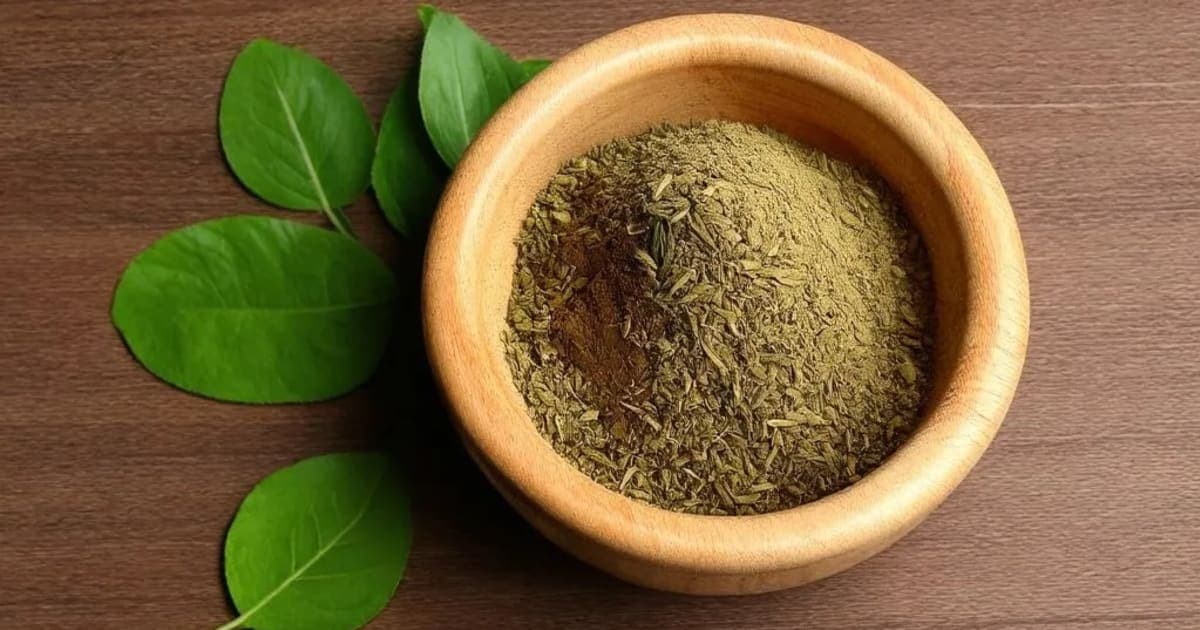
Murva: Fever, Skin Health & Blood Purification Benefits
Expert Reviewed
Reviewed by AyurvedicUpchar Editorial Team
What is Murva and how does it work?
Murva (Marsdenia tenacissima) is a climbing vine with thick, leathery leaves that Ayurvedic practitioners have relied on for centuries to break stubborn fevers and clear stubborn skin rashes. Unlike synthetic antipyretics that simply lower temperature, Murva works by cleansing the blood of deep-seated toxins (Ama) that fuel inflammation. You will often find this herb growing wild in the rocky hills of India, where locals recognize it by its milky white sap and intensely bitter taste.
Classical texts like the Charaka Samhita (Sutra Sthana) list Murva as a primary agent for restoring balance when heat and mucus clog the body's channels. It is not just a fever breaker; it is a systemic cleanser that targets the root cause of recurring skin issues and respiratory congestion.
What are the Ayurvedic properties of Murva?
Murva is defined in Ayurveda as a bitter, heating herb with a heavy quality that penetrates deep into tissues to dissolve toxins while stimulating digestion. This specific combination of properties allows it to tackle chronic conditions that lighter herbs cannot reach, making it a staple in traditional formulations for fever and skin disease.
To understand why Murva acts the way it does, we look at its five fundamental characteristics (Pancha Mahabhuta). These are not abstract concepts but practical indicators of how the herb interacts with your physiology:
| Property (Sanskrit) | Value | What it means for your body |
|---|---|---|
| Rasa (Taste) | Tikta (Bitter) | Triggers immediate detoxification, cools blood heat, and dries excess moisture in tissues. |
| Guna (Quality) | Guru (Heavy) | Provides staying power, allowing the herb to remain in the system longer to fight chronic infections. |
| Virya (Potency) | Ushna (Hot) | Ignites digestive fire (Agni) and ensures the bitter taste does not dampen metabolism. |
| Vipaka (Post-digestive) | Katu (Pungent) | Continues to break down fat and mucus deposits even after digestion is complete. |
| Prabhava (Special Effect) | Jvaraghna | Specifically renowned for its unique ability to reduce fever of unknown origin. |
Which doshas does Murva balance?
Murva primarily pacifies Kapha and Pitta doshas by using its bitter taste to dry up excess mucus and its heating potency to burn away toxic heat without aggravating inflammation. This makes it an ideal choice for people suffering from sticky, slow-moving conditions like chronic bronchitis, weeping eczema, or recurring low-grade fevers.
However, you must use caution if you have a Vata constitution. Because Murva is heavy yet drying and heating, taking too much can strip the body of necessary oils, leading to dry skin, constipation, or anxiety. A skilled practitioner often combines it with ghee or licorice (Yashtimadhu) to buffer these sharp edges for sensitive individuals.
If you notice symptoms like a coated tongue, heaviness in the chest after meals, or skin that feels hot to the touch but looks pale, your Kapha and Pitta are likely imbalanced. Murva addresses this by scraping away the coating (Lekhana) while simultaneously cooling the internal heat.
How is Murva used in traditional practice?
In traditional settings, fresh Murva root bark is often boiled into a decoction with water reduced to a quarter of its volume to treat severe fevers, while the leaf paste is applied externally for skin infections. The taste is aggressively bitter, so it is common to mix the powder with honey for coughs or warm milk for general debility to make it palatable.
Grandmothers in rural India often chew a small piece of the fresh root or drink the warm decoction at the onset of a fever to stop it from rising further. For skin conditions like psoriasis or non-healing ulcers, the powdered bark is mixed with coconut oil and warmed before application to ensure deep penetration.
Frequently Asked Questions
Is Murva safe for long-term use?
Murva is generally safe for short-term use to treat acute fevers or skin flare-ups, but its drying nature makes it unsuitable for prolonged daily consumption without guidance. Long-term use can aggravate Vata, leading to dryness and weakness, so it is best taken in cycles under the supervision of an Ayurvedic doctor.
Can Murva help with diabetes?
Yes, classical texts and modern studies suggest Murva helps regulate blood sugar levels by improving insulin sensitivity and reducing glucose absorption. It is often included in formulations for Prameha (diabetes) due to its ability to cleanse the blood and reduce excess kapha-related weight.
What does Murva taste like?
Murva has an intensely bitter and slightly astringent taste that can be quite shocking to the palate if taken alone. This strong bitterness is actually a sign of its high therapeutic potency, as the Tikta rasa is directly responsible for its blood-purifying and fever-reducing actions.
Frequently Asked Questions
What is Murva used for in Ayurveda?
Murva is primarily used as a Raktashodhak and Antipyretic in Ayurvedic medicine. Marsdenia tenacissima is a bitter tonic used for fever, skin diseases and purifying blood. It pacifies Kapha, Pitta dosha.
How should I take Murva?
Murva can be taken as powder (1/2-1 tsp with warm water or milk), decoction (boil 1 tsp in water), or tablets (1-2 daily). Always start with a low dose and consult an Ayurvedic practitioner for personalized guidance.
Is Murva safe during pregnancy?
Pregnant and nursing women should not take Murva without consulting their doctor first. Most Ayurvedic herbs require medical supervision during pregnancy.
Which dosha does Murva balance?
Murva pacifies Kapha, Pitta. Excessive use may increase Vata dosha.
Can I take Murva daily?
Murva can be taken daily in recommended doses for 4-8 weeks. After that, take a 2-week break before resuming. Long-term use should be supervised by a qualified Ayurvedic practitioner.
What are the side effects of Murva?
When taken in recommended doses, Murva is generally safe. Excessive use may aggravate Vata dosha, causing gas or bloating. Stop use if you experience any adverse reaction.
Related Articles
The Timeless Benefits of Triphala: An Ayurvedic Powerhouse
Discover the transformative benefits of Triphala, an ancient Ayurvedic blend of three fruits that supports digestion, immunity, weight management, and overall vitality.
5 min read
The Divine Benefits of Tulsi (Holy Basil) in Ayurveda
Discover the sacred benefits of Tulsi (Holy Basil) in Ayurveda. From boosting immunity and reducing stress to supporting heart health and digestion, learn how this divine herb can transform your well-being.
4 min read
The Remarkable Benefits of Giloy: An Ayurvedic Powerhouse
Discover the profound health benefits of Giloy, the Ayurvedic 'root of immortality.' Learn how this powerful herb boosts immunity, manages diabetes, improves digestion, and supports skin, hair, and bone health.
5 min read
The Remarkable Benefits of Ashwagandha: An Ayurvedic Perspective
Discover the ancient wisdom of Ashwagandha, a powerful Ayurvedic adaptogen known for reducing stress, boosting immunity, improving sleep, and enhancing physical strength.
4 min read
Brihatyadi Kashayam: Natural Relief for Urinary Tract Disorders and Cystitis
Brihatyadi Kashayam is a cooling Ayurvedic decoction that targets urinary burning and cystitis by balancing Vata and Pitta. Unlike standard teas, this concentrated liquid extract is specifically designed to reduce inflammation in the bladder lining while flushing out toxins.
5 min read
Asphota: Ayurvedic Brain Tonic, Calming Herb & Blood Purifier
Often overlooked, Asphota is a cooling, bitter herb that acts as a gentle brain tonic and blood purifier. While it shares traits with the popular Aparajita, its unique astringent quality makes it particularly effective for stopping bleeding and soothing inflamed tissues.
6 min read
References & Sources
This article is based on principles from classical Ayurvedic texts including Charaka Samhita, Sushruta Samhita, and Ashtanga Hridaya. Content has been reviewed for accuracy by our editorial team. For specific medical conditions, always consult a qualified Ayurvedic practitioner or healthcare provider.
- • Charaka Samhita (चरक संहिता)
- • Sushruta Samhita (सुश्रुत संहिता)
- • Ashtanga Hridaya (अष्टांग हृदय)
Found an error in this article? Let us know