
Murivenna: The Ancient Ayurvedic Wound Oil for Healing Cuts, Burns, and Fractures
Expert Reviewed
Reviewed by AyurvedicUpchar Editorial Team
What is Murivenna and how does it heal injuries?
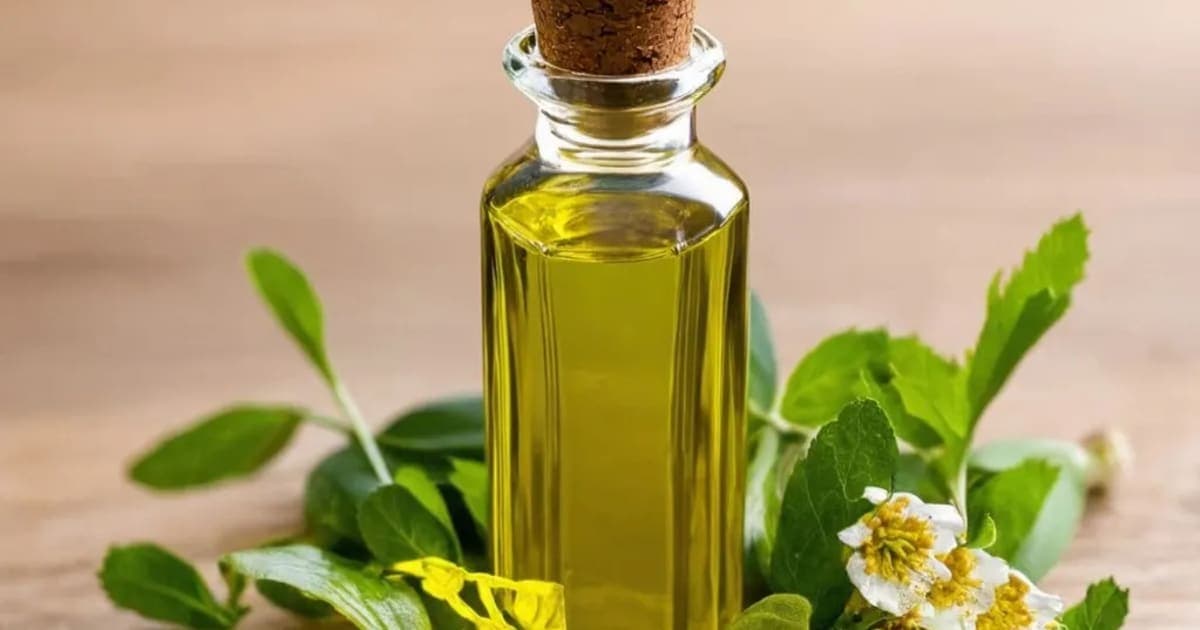
Murivenna is a traditional Ayurvedic wound oil specifically formulated to accelerate the healing of cuts, burns, sprains, and bone fractures. Unlike modern antiseptics that merely clean a surface, this thick, golden oil penetrates deep into damaged tissues to reduce inflammation and stimulate regeneration. The name itself translates to 'wound oil' in Malayalam, reflecting its centuries-old role as the go-to first-aid remedy in Kerala and across South India.
Historically, this formulation is not a single herb but a complex blend of ingredients like Tinospora cordifolia (Guduchi), Hemidesmus indicus (Anantamul), and Plumbago zeylanica (Chitrak), all cooked in sesame oil. Classical texts such as the Charaka Samhita and the Bhavaprakash Nighantu describe it as a vital Dravya (medicinal substance) for trauma. As the ancient sages noted, "Murivenna is the oil that turns the tide of inflammation, allowing the body's natural repair mechanisms to work without obstruction."
How do the Ayurvedic properties of Murivenna work?
The healing power of Murivenna comes from its unique combination of five fundamental properties, known as Panchabhuta, which dictate how it interacts with your physiology. While many oils are heating, Murivenna is distinct because it possesses a cooling potency (Sheeta Virya) that immediately soothes the burning sensation of a fresh burn or the throbbing pain of a sprain.
These properties are not just theoretical; they explain exactly why the oil works. The bitter taste (Tikta) cleanses the wound of toxins, while the unctuous quality (Snigdha) ensures the medicine stays on the skin long enough to penetrate. This specific balance allows it to calm the erratic movement of Vata and the intense heat of Pitta without creating the stagnation that pure cooling agents might cause.
| Property (Sanskrit) | Value | What it means for your body |
|---|---|---|
| Rasa (Taste) | Tikta (Bitter) | Detoxifies the wound bed, purifies blood, and reduces excess heat (Pitta). |
| Guna (Quality) | Snigdha (Unctuous) | Provides deep lubrication, preventing tissue drying and ensuring rapid absorption. |
| Virya (Potency) | Sheeta (Cooling) | Instantly cools inflamed tissues, reduces swelling, and numbs acute pain. |
| Vipaka (Post-digestive) | Katu (Pungent) | Stimulates tissue regeneration and helps clear residual toxins after digestion. |
Which doshas does Murivenna balance or aggravate?
Murivenna primarily pacifies Vata and Pitta doshas, making it the ideal remedy for injuries characterized by dryness, pain, and inflammation. It is particularly effective for Vata-type injuries, which often involve sharp pain, cracking sounds, or slow healing, as well as Pitta-type injuries marked by redness, burning, and heat.
However, caution is necessary for those with a dominant Kapha constitution. Because the oil is heavy and unctuous, excessive application on a Kapha-dominant area can lead to stagnation, excessive mucus formation, or delayed healing due to over-lubrication. A grandmother in Kerala would tell you: "Use it until the redness fades and the pain stops, but do not keep it on a bruise for weeks, or the swelling will harden and refuse to go down."
How to apply Murivenna for best results
The application method is just as important as the oil itself. For a fresh cut or burn, apply a thin layer immediately and cover with a clean cloth. For sprains or fractures, the traditional method involves warming the oil slightly, massaging it gently into the area, and then applying a warm poultice over it to drive the medicine deeper. This technique, known as Lepa, leverages the Snigdha quality to bypass the skin barrier and reach the ligaments.
It is crucial to note that Murivenna is for external use only. While the ingredients are natural, the concentrated blend can be irritating if ingested. Always patch-test on a small area of skin first, especially if you have sensitive skin or known allergies to sesame or specific herbs in the blend.
Frequently asked questions about Murivenna
Can Murivenna be used on open wounds?
Yes, Murivenna is specifically designed for open wounds, cuts, and ulcers. Its bitter taste and cooling potency help cleanse the wound of bacteria and reduce the risk of infection while promoting rapid tissue regeneration.
Does Murivenna help with bone fractures?
Absolutely. It is a primary remedy in Ayurveda for fractures because it reduces the intense Vata pain associated with broken bones and accelerates the formation of callus tissue to knit the bone back together.
Is Murivenna safe for children?
It is generally safe for children when used externally on minor injuries, but the amount should be minimal. Always consult an Ayurvedic practitioner before using it on infants or for severe burns in children.
How long does it take for Murivenna to work?
Most users report a reduction in pain and heat within 24 hours of application. For deeper injuries like sprains or fractures, consistent application for 7 to 14 days is typically required to see significant healing progress.
Disclaimer: This article is for informational purposes only and does not constitute medical advice. Murivenna is for external use only. Always consult a qualified Ayurvedic practitioner or healthcare provider before using herbal remedies, especially for serious injuries, fractures, or if you are pregnant or nursing.
Frequently Asked Questions
What is Murivenna used for in Ayurveda?
Murivenna is primarily used as a Vranaropana and Sandhanakaraka in Ayurvedic medicine. 'Wound Oil', this is a famous first-aid remedy for cuts, burns, sprains, and fractures. It pacifies Vata, Pitta dosha.
How should I take Murivenna?
Murivenna can be taken as powder (1/2-1 tsp with warm water or milk), decoction (boil 1 tsp in water), or tablets (1-2 daily). Always start with a low dose and consult an Ayurvedic practitioner for personalized guidance.
Is Murivenna safe during pregnancy?
Pregnant and nursing women should not take Murivenna without consulting their doctor first. Most Ayurvedic herbs require medical supervision during pregnancy.
Which dosha does Murivenna balance?
Murivenna pacifies Vata, Pitta. Excessive use may increase Kapha dosha.
Can I take Murivenna daily?
Murivenna can be taken daily in recommended doses for 4-8 weeks. After that, take a 2-week break before resuming. Long-term use should be supervised by a qualified Ayurvedic practitioner.
What are the side effects of Murivenna?
When taken in recommended doses, Murivenna is generally safe. Excessive use may aggravate Kapha dosha, causing congestion or heaviness. Stop use if you experience any adverse reaction.
Related Articles
The Timeless Benefits of Triphala: An Ayurvedic Powerhouse
Discover the transformative benefits of Triphala, an ancient Ayurvedic blend of three fruits that supports digestion, immunity, weight management, and overall vitality.
5 min read
The Divine Benefits of Tulsi (Holy Basil) in Ayurveda
Discover the sacred benefits of Tulsi (Holy Basil) in Ayurveda. From boosting immunity and reducing stress to supporting heart health and digestion, learn how this divine herb can transform your well-being.
4 min read
The Remarkable Benefits of Giloy: An Ayurvedic Powerhouse
Discover the profound health benefits of Giloy, the Ayurvedic 'root of immortality.' Learn how this powerful herb boosts immunity, manages diabetes, improves digestion, and supports skin, hair, and bone health.
5 min read
The Remarkable Benefits of Ashwagandha: An Ayurvedic Perspective
Discover the ancient wisdom of Ashwagandha, a powerful Ayurvedic adaptogen known for reducing stress, boosting immunity, improving sleep, and enhancing physical strength.
4 min read
Brihatyadi Kashayam: Natural Relief for Urinary Tract Disorders and Cystitis
Brihatyadi Kashayam is a cooling Ayurvedic decoction that targets urinary burning and cystitis by balancing Vata and Pitta. Unlike standard teas, this concentrated liquid extract is specifically designed to reduce inflammation in the bladder lining while flushing out toxins.
5 min read
Asphota: Ayurvedic Brain Tonic, Calming Herb & Blood Purifier
Often overlooked, Asphota is a cooling, bitter herb that acts as a gentle brain tonic and blood purifier. While it shares traits with the popular Aparajita, its unique astringent quality makes it particularly effective for stopping bleeding and soothing inflamed tissues.
6 min read
References & Sources
This article is based on principles from classical Ayurvedic texts including Charaka Samhita, Sushruta Samhita, and Ashtanga Hridaya. Content has been reviewed for accuracy by our editorial team. For specific medical conditions, always consult a qualified Ayurvedic practitioner or healthcare provider.
- • Charaka Samhita (चरक संहिता)
- • Sushruta Samhita (सुश्रुत संहिता)
- • Ashtanga Hridaya (अष्टांग हृदय)
Found an error in this article? Let us know