
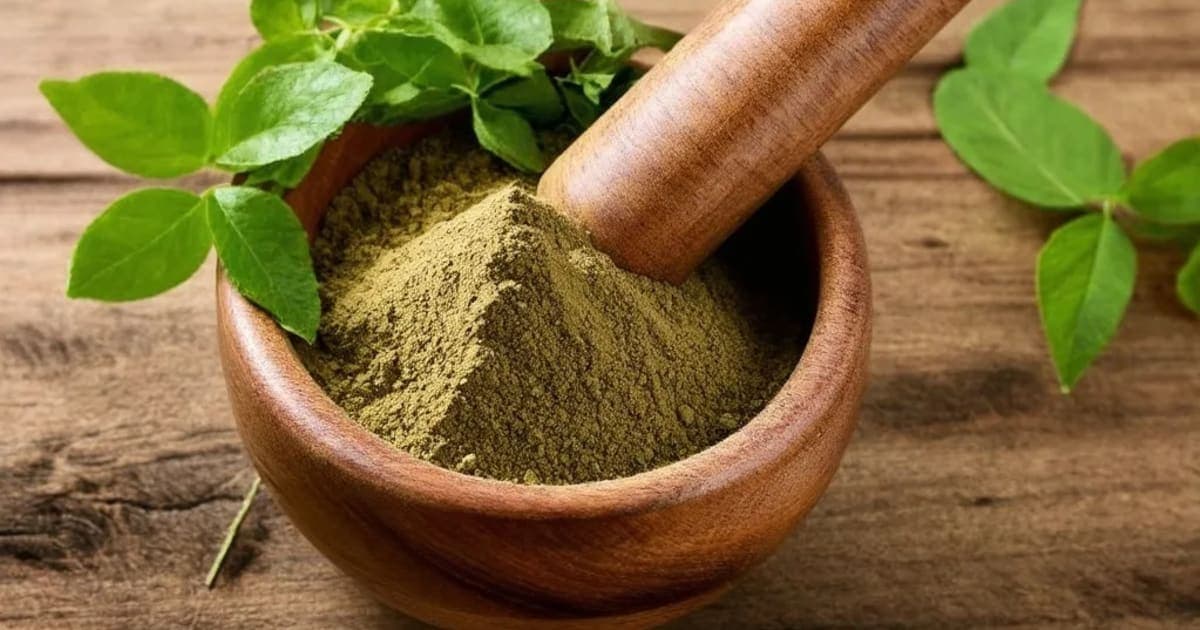
Mudgaparni: Ayurvedic Benefits for Vata-Pitta Balance & Rejuvenation
Expert Reviewed
Reviewed by AyurvedicUpchar Editorial Team
What is Mudgaparni and why is it special?
Mudgaparni (Vigna trilobata) is a cooling, nourishing legume herb in Ayurveda, traditionally valued for its ability to rebuild tissues, calm the nervous system, and support reproductive health. Unlike many medicinal plants that are bitter or astringent, this herb carries a naturally sweet taste that makes it gentle on the stomach while acting as a powerful rasayana (rejuvenator) for the body.
When you encounter fresh Mudgaparni in its natural habitat, it is a creeping vine with distinctive three-lobed leaves that resemble the footprint of a mung bean, hence the name. The seeds are small and black, often harvested for their ability to cool internal heat without dulling digestion. Classical texts like the Charaka Samhita and Bhavaprakash Nighantu specifically categorize it as a substance that strengthens the Shukra dhatu (reproductive tissue) and soothes aggravated Vata.
"Mudgaparni is a sweet, cooling herb in Ayurveda that uniquely balances Vata and Pitta doshas while nourishing the reproductive system and calming the mind."
How does Mudgaparni interact with your body's energies?
Mudgaparni interacts with the body through a specific set of five pharmacological properties known as Panchakarma attributes, determining that it is light to digest yet unctuous enough to penetrate deep tissues. Its sweet taste and cooling potency make it ideal for soothing inflammation, while its post-digestive effect remains sweet, ensuring long-term tissue nourishment without creating metabolic toxins.
To understand exactly how this herb works, we must look at its Ayurvedic profile. The table below outlines the precise energetic signature that practitioners use to prescribe it:
| Property (Sanskrit) | Value | What it means for your body |
|---|---|---|
| Rasa (Taste) | Madhura (Sweet) | Builds muscle and fat tissue, calms the mind, and reduces thirst |
| Guna (Quality) | Laghu, Snigdha (Light, Unctuous) | Light to digest but oily enough to lubricate dry joints and skin |
| Virya (Potency) | Sheeta (Cold) | Cools burning sensations, reduces fever, and soothes irritated mucous membranes |
| Vipaka (Post-digestive) | Madhura (Sweet) | Continues to nourish tissues after digestion, promoting stability and strength |
Which dosha imbalances does Mudgaparni correct?
Mudgaparni primarily pacifies Vata and Pitta doshas, making it a go-to remedy for conditions involving dryness, heat, anxiety, or inflammation. It acts as a natural sedative for the nervous system while simultaneously cooling excess body heat, which is why it is often recommended during hot summers or for individuals with a fiery constitution.
However, because it is sweet and unctuous, people with a dominant Kapha constitution should use it with caution. If you already struggle with sluggish digestion, heavy congestion, or weight gain, eating large amounts of Mudgaparni without a digestive spice like ginger or black pepper could increase Kapha, leading to lethargy or mucus buildup. A grandmother's tip is to always cook it with a pinch of turmeric or cumin if you have a tendency toward heaviness.
How can you use Mudgaparni for daily health?
Traditional usage of Mudgaparni involves cooking the dried seeds like lentils in a light broth or grinding them into a flour to make pancakes, often combined with ghee and honey for a rejuvenating breakfast. For acute cooling needs, the fresh leaves can be chewed raw to relieve mouth ulcers, while a paste of the seeds is applied externally to burns or inflamed joints to draw out heat.
For those seeking reproductive vitality, the seeds are often simmered in milk with a dash of cardamom and consumed warm at night. This preparation leverages the herb's Snigdha (oily) quality to nourish the reproductive tissues while the milk enhances its Rasayana effect. The herb is not just a food; in the hands of a knowledgeable practitioner, it becomes a targeted therapy for fatigue, joint pain, and stress-related insomnia.
Frequently Asked Questions about Mudgaparni
What are the main health benefits of Mudgaparni?
Mudgaparni is primarily used to balance Vata and Pitta, relieve joint pain, reduce internal heat, and support reproductive health. It acts as a tissue-building nutrient that calms anxiety and improves skin hydration.
Who should avoid using Mudgaparni?
Individuals with high Kapha dosha, characterized by heavy congestion, obesity, or sluggish digestion, should limit their intake or combine the herb with heating spices to prevent further accumulation of mucus and lethargy.
How is Mudgaparni traditionally prepared for consumption?
The seeds are most commonly boiled like lentils in soups or stews, while the leaves are eaten fresh or dried. It is also ground into flour for flatbreads or soaked in milk to enhance its rejuvenating properties.
Does Mudgaparni have any side effects?
When used in moderation, it is generally safe, but excessive consumption can lead to digestive heaviness or increased mucus production in Kapha-dominant individuals. Always consult an Ayurvedic practitioner for long-term use.
Frequently Asked Questions
What is Mudgaparni used for in Ayurveda?
Mudgaparni is primarily used as a Life Giving and Reproductive Tonic in Ayurvedic medicine. Vigna trilobata is a cooling, strengthening herb, considered a rejuvenative (rasayana) and aphrodisiac. It pacifies Vata, Pitta dosha.
How should I take Mudgaparni?
Mudgaparni can be taken as powder (1/2-1 tsp with warm water or milk), decoction (boil 1 tsp in water), or tablets (1-2 daily). Always start with a low dose and consult an Ayurvedic practitioner for personalized guidance.
Is Mudgaparni safe during pregnancy?
Pregnant and nursing women should not take Mudgaparni without consulting their doctor first. Most Ayurvedic herbs require medical supervision during pregnancy.
Which dosha does Mudgaparni balance?
Mudgaparni pacifies Vata, Pitta. Excessive use may increase Kapha dosha.
Can I take Mudgaparni daily?
Mudgaparni can be taken daily in recommended doses for 4-8 weeks. After that, take a 2-week break before resuming. Long-term use should be supervised by a qualified Ayurvedic practitioner.
What are the side effects of Mudgaparni?
When taken in recommended doses, Mudgaparni is generally safe. Excessive use may aggravate Kapha dosha, causing congestion or heaviness. Stop use if you experience any adverse reaction.
Related Articles
The Timeless Benefits of Triphala: An Ayurvedic Powerhouse
Discover the transformative benefits of Triphala, an ancient Ayurvedic blend of three fruits that supports digestion, immunity, weight management, and overall vitality.
5 min read
The Divine Benefits of Tulsi (Holy Basil) in Ayurveda
Discover the sacred benefits of Tulsi (Holy Basil) in Ayurveda. From boosting immunity and reducing stress to supporting heart health and digestion, learn how this divine herb can transform your well-being.
4 min read
The Remarkable Benefits of Giloy: An Ayurvedic Powerhouse
Discover the profound health benefits of Giloy, the Ayurvedic 'root of immortality.' Learn how this powerful herb boosts immunity, manages diabetes, improves digestion, and supports skin, hair, and bone health.
5 min read
The Remarkable Benefits of Ashwagandha: An Ayurvedic Perspective
Discover the ancient wisdom of Ashwagandha, a powerful Ayurvedic adaptogen known for reducing stress, boosting immunity, improving sleep, and enhancing physical strength.
4 min read
Brihatyadi Kashayam: Natural Relief for Urinary Tract Disorders and Cystitis
Brihatyadi Kashayam is a cooling Ayurvedic decoction that targets urinary burning and cystitis by balancing Vata and Pitta. Unlike standard teas, this concentrated liquid extract is specifically designed to reduce inflammation in the bladder lining while flushing out toxins.
5 min read
Asphota: Ayurvedic Brain Tonic, Calming Herb & Blood Purifier
Often overlooked, Asphota is a cooling, bitter herb that acts as a gentle brain tonic and blood purifier. While it shares traits with the popular Aparajita, its unique astringent quality makes it particularly effective for stopping bleeding and soothing inflamed tissues.
6 min read
References & Sources
This article is based on principles from classical Ayurvedic texts including Charaka Samhita, Sushruta Samhita, and Ashtanga Hridaya. Content has been reviewed for accuracy by our editorial team. For specific medical conditions, always consult a qualified Ayurvedic practitioner or healthcare provider.
- • Charaka Samhita (चरक संहिता)
- • Sushruta Samhita (सुश्रुत संहिता)
- • Ashtanga Hridaya (अष्टांग हृदय)
Found an error in this article? Let us know