
Mishreya: Digestive Relief, Cooling Benefits & Ayurvedic Uses
Expert Reviewed
Reviewed by AyurvedicUpchar Editorial Team
What is Mishreya?
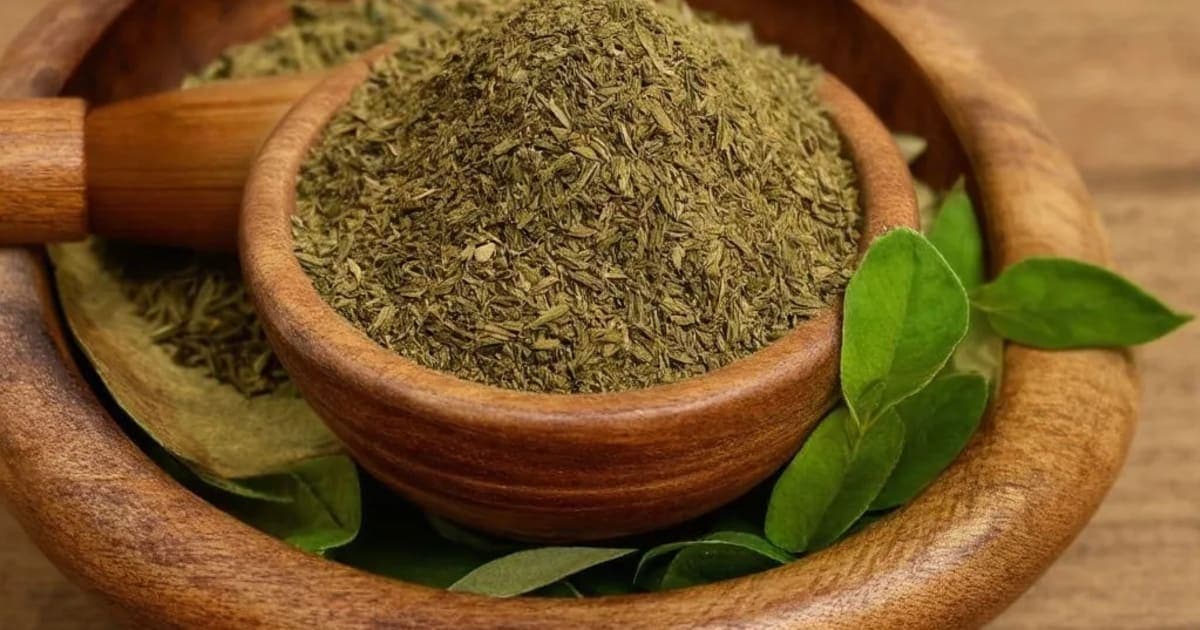
Mishreya, known globally as fennel seed, is a sweet-tasting, cooling herb widely used in Ayurveda to soothe digestion and calm inflammation. You likely know it as the aromatic seed chewed after meals in India, but its medicinal depth goes far beyond a simple breath freshener. This small, greenish-brown seed carries a distinct anise-like fragrance and a naturally sweet finish that signals its nourishing potential.
In classical texts like the Charaka Samhita, Mishreya is revered not just for flavor but as a potent Dravya (medicinal substance) capable of balancing fire and air within the body. Unlike many spices that heat the system, Mishreya cools it down, making it a unique staple for hot climates and fiery temperaments. Its primary action stems from its sweet taste (Madhura Rasa), which directly builds tissue and calms the nervous system.
Think of Mishreya as a gentle rain on a parched garden; it hydrates dry tissues and cools overheated organs without dampening your digestive fire entirely. Whether steeped as a tea after a heavy meal or ground into a paste for eye compresses, its application is as versatile as it is ancient.
What are the Ayurvedic properties of Mishreya?
Mishreya is classified in Ayurveda as a cooling herb with a sweet taste and light, oily qualities that nourish the body while reducing excess heat. These specific pharmacological traits determine exactly how the herb interacts with your tissues, organs, and energy centers. Understanding this profile helps you predict whether Mishreya will harmonize or disrupt your specific constitution.
The following table breaks down the five fundamental properties (Pancha Mahabhuta derived) that define Mishreya's behavior in the body:
| Property (Sanskrit) | Value | What it means for your body |
|---|---|---|
| Rasa (Taste) | Madhura (Sweet) | Nourishes tissues, calms the mind, and builds strength without agitation. |
| Guna (Quality) | Laghu (Light), Snigdha (Oily) | Easy to digest yet moisturizing; penetrates tissues quickly without heaviness. |
| Virya (Potency) | Sheeta (Cooling) | Reduces inflammation, cools burning sensations, and soothes irritated mucous membranes. |
| Vipaka (Post-digestive) | Madhura (Sweet) | The long-term effect is grounding and building, supporting tissue repair after digestion. |
This specific combination of lightness and oiliness allows Mishreya to move through the digestive tract smoothly, unlike heavier sweet substances that might cause sluggishness. It is this balance that makes it safe for most people when used in culinary amounts, though therapeutic doses require more attention to detail.
Which doshas does Mishreya balance?
Mishreya primarily pacifies Vata and Pitta doshas due to its cooling potency and sweet, unctuous nature. If you suffer from acidity, irritability, or dry constipation, this herb acts as a direct counterbalance to those heated or dry conditions. However, because it is cooling and moist, those with high Kapha should use it sparingly.
When Vata is high, you might feel anxious, experience joint cracking, or struggle with irregular digestion. Mishreya's oily quality lubricates the dry joints and intestines, while its sweetness grounds the wandering mind. Similarly, for Pitta types who feel constantly hot, have acid reflux, or get angry easily, the cooling Virya of fennel acts like an internal thermostat, bringing the temperature down without suppressing function.
Conversely, if you are prone to congestion, excessive sleepiness, or water retention, your Kapha is likely elevated. In these cases, large amounts of Mishreya could increase mucus production or lead to a feeling of heaviness. A grandmother's trick here is to pair fennel with a pinch of dry ginger if Kapha is a concern, balancing the cooling effect with a touch of warmth.
What are the primary health benefits of Mishreya?
Mishreya supports digestive health by relieving gas, reducing bloating, and cooling stomach acidity through its carminative and anti-spasmodic actions. It is perhaps most famous for its ability to settle a disturbed stomach immediately after eating. Beyond the gut, its cooling energy extends to the eyes and the mind, offering relief from stress-induced heat.
Practitioners often recommend chewing a teaspoon of raw seeds after a heavy meal to prevent the feeling of fullness and aid enzymatic breakdown. For those suffering from burning eyes due to screen time or sun exposure, washing the eyes with cooled fennel tea is a traditional remedy found in many households. The herb's ability to relax smooth muscles also makes it effective for menstrual cramps associated with Vata or Pitta imbalance.
It is important to distinguish Mishreya from other digestive aids; while ginger heats and moves, Mishreya cools and soothes. This makes it the preferred choice for children, the elderly, or anyone recovering from illness where preserving strength and avoiding agitation is critical.
Frequently Asked Questions
Can I drink fennel tea every day?
Yes, most people can safely drink fennel tea daily, especially if they have Vata or Pitta constitutions. However, those with high Kapha should limit intake to avoid increased mucus or lethargy.
Is Mishreya the same as regular fennel?
Mishreya refers specifically to the medicinal variety of fennel (Foeniculum vulgare) used in Ayurvedic formulations. While similar to culinary fennel, the medicinal grade is often selected for higher volatile oil content and potency.
How much Mishreya should I take for acidity?
For occasional acidity, chewing half a teaspoon of seeds or drinking one cup of warm fennel tea after meals is usually sufficient. Persistent issues should be discussed with an Ayurvedic practitioner for a personalized dosage.
Does fennel increase body heat?
No, Mishreya has a cooling potency (Sheeta Virya) and actually reduces body heat, making it ideal for summer or for people who run hot naturally.
Frequently Asked Questions
What is Mishreya used for in Ayurveda?
Mishreya is primarily used as a Appetite Stimulant and Eye Tonic in Ayurvedic medicine. Fennel seeds (Saunf) are excellent for digestion, relieving gas, and have a cooling effect on the body. It pacifies Vata, Pitta dosha.
How should I take Mishreya?
Mishreya can be taken as powder (1/2-1 tsp with warm water or milk), decoction (boil 1 tsp in water), or tablets (1-2 daily). Always start with a low dose and consult an Ayurvedic practitioner for personalized guidance.
Is Mishreya safe during pregnancy?
Pregnant and nursing women should not take Mishreya without consulting their doctor first. Most Ayurvedic herbs require medical supervision during pregnancy.
Which dosha does Mishreya balance?
Mishreya pacifies Vata, Pitta. Excessive use may increase Kapha dosha.
Can I take Mishreya daily?
Mishreya can be taken daily in recommended doses for 4-8 weeks. After that, take a 2-week break before resuming. Long-term use should be supervised by a qualified Ayurvedic practitioner.
What are the side effects of Mishreya?
When taken in recommended doses, Mishreya is generally safe. Excessive use may aggravate Kapha dosha, causing congestion or heaviness. Stop use if you experience any adverse reaction.
Related Articles
The Timeless Benefits of Triphala: An Ayurvedic Powerhouse
Discover the transformative benefits of Triphala, an ancient Ayurvedic blend of three fruits that supports digestion, immunity, weight management, and overall vitality.
5 min read
The Divine Benefits of Tulsi (Holy Basil) in Ayurveda
Discover the sacred benefits of Tulsi (Holy Basil) in Ayurveda. From boosting immunity and reducing stress to supporting heart health and digestion, learn how this divine herb can transform your well-being.
4 min read
The Remarkable Benefits of Giloy: An Ayurvedic Powerhouse
Discover the profound health benefits of Giloy, the Ayurvedic 'root of immortality.' Learn how this powerful herb boosts immunity, manages diabetes, improves digestion, and supports skin, hair, and bone health.
5 min read
The Remarkable Benefits of Ashwagandha: An Ayurvedic Perspective
Discover the ancient wisdom of Ashwagandha, a powerful Ayurvedic adaptogen known for reducing stress, boosting immunity, improving sleep, and enhancing physical strength.
4 min read
Brihatyadi Kashayam: Natural Relief for Urinary Tract Disorders and Cystitis
Brihatyadi Kashayam is a cooling Ayurvedic decoction that targets urinary burning and cystitis by balancing Vata and Pitta. Unlike standard teas, this concentrated liquid extract is specifically designed to reduce inflammation in the bladder lining while flushing out toxins.
5 min read
Asphota: Ayurvedic Brain Tonic, Calming Herb & Blood Purifier
Often overlooked, Asphota is a cooling, bitter herb that acts as a gentle brain tonic and blood purifier. While it shares traits with the popular Aparajita, its unique astringent quality makes it particularly effective for stopping bleeding and soothing inflamed tissues.
6 min read
References & Sources
This article is based on principles from classical Ayurvedic texts including Charaka Samhita, Sushruta Samhita, and Ashtanga Hridaya. Content has been reviewed for accuracy by our editorial team. For specific medical conditions, always consult a qualified Ayurvedic practitioner or healthcare provider.
- • Charaka Samhita (चरक संहिता)
- • Sushruta Samhita (सुश्रुत संहिता)
- • Ashtanga Hridaya (अष्टांग हृदय)
Found an error in this article? Let us know