
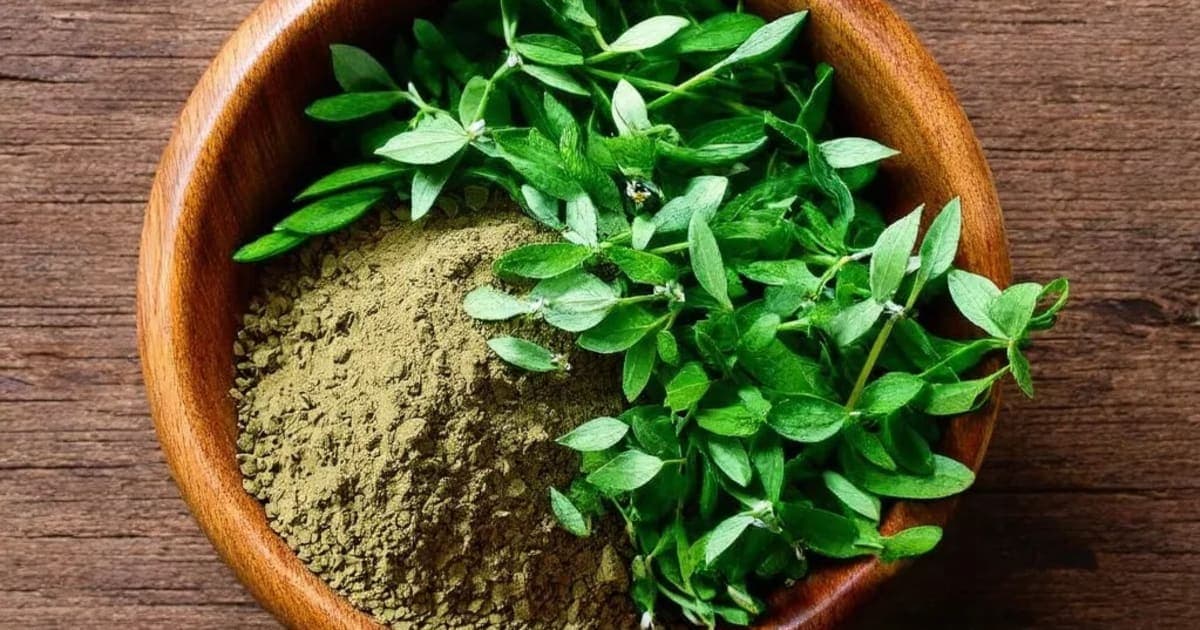
Methi: Balancing Blood Sugar & Digestion with Ayurvedic Wisdom
Expert Reviewed
Reviewed by AyurvedicUpchar Editorial Team
What is Methi and why is it used in Ayurveda?
Methi, known globally as fenugreek, is a warming kitchen staple used in Ayurveda to stabilize blood sugar, ignite digestive fire, and support nursing mothers. Unlike synthetic supplements, this small golden seed works by harmonizing the body's natural rhythms rather than forcing a chemical reaction. You likely know it as the distinct, maple-syrup-scented spice in curry powders, but in the hands of an Ayurvedic practitioner, it becomes a precise tool for metabolic health.
Classical texts like the Charaka Samhita classify Methi as a Deepana (appetizer) and Pachana (digestive aid), noting its unique ability to clear sticky toxins (Ama) without drying out the body. A standalone fact worth remembering is that Methi possesses a rare dual quality: it is light (Laghu) enough to digest quickly yet unctuous (Snigdha) enough to soothe dry tissues. This makes it exceptionally versatile for conditions ranging from type 2 diabetes management to joint stiffness.
What are the Ayurvedic properties of Methi?
The Ayurvedic profile of Methi explains exactly how it interacts with your physiology, balancing specific doshas through its taste and potency. By understanding these core properties, you can predict whether this herb will harmonize your system or aggravate an existing imbalance. The heating potency combined with a bitter-pungent taste creates a powerful cleansing effect that targets deep-seated Kapha and erratic Vata.
| Property (Sanskrit) | Value | What it means for your body |
|---|---|---|
| Rasa (Taste) | Tikta (Bitter), Katu (Pungent) | Bitter taste detoxifies blood and reduces inflammation; Pungent taste stimulates metabolism and clears blocked channels. |
| Guna (Quality) | Laghu (Light), Snigdha (Oily) | Lightness ensures easy digestion, while oily quality prevents the herb from drying out tissues, a common issue with other heating spices. |
| Virya (Potency) | Ushna (Hot) | Generates internal heat to improve circulation, melt fat deposits, and enhance the digestive fire (Agni). |
| Vipaka (Post-digestive) | Katu (Pungent) | Leaves a heating, stimulating after-effect that continues to mobilize toxins long after the meal is digested. |
Which doshas does Methi balance?
Methi primarily pacifies Vata and Kapha doshas, making it an ideal choice for those struggling with sluggish digestion, water retention, or joint pain. Its heating nature cuts through the cold, heavy qualities of Kapha, while its unctuous texture soothes the dry, rough attributes of Vata. However, because the herb is inherently hot and sharp, it can aggravate Pitta if used indiscriminately.
People with a dominant Pitta constitution often experience acidity, skin rashes, or irritability when they consume too much Methi. If you tend to run hot, feel angry easily, or have inflammatory skin conditions, you should use Methi sparingly. A practical tip passed down through generations is to soak the seeds overnight and discard the water before cooking; this simple step reduces the pungency and makes the herb gentler on sensitive stomachs.
How do I know if Methi is right for me?
You likely need Methi if you experience symptoms of Vata imbalance like chronic constipation, dry cracked skin, anxiety, or stiffness in the joints that improves with warmth. It is also highly indicated for Kapha types who feel heavy after meals, struggle with weight gain, or have excessive mucus production. The distinct maple-like aroma of your urine or sweat after consumption is a harmless, traditional sign that the herb is actively working to cleanse your system.
Frequently Asked Questions
Can Methi help lower blood sugar levels naturally?
Yes, Methi contains galactomannan fiber and amino acids that slow carbohydrate absorption, helping to stabilize blood glucose levels in type 2 diabetes. Many practitioners recommend soaking one teaspoon of seeds overnight and drinking the water in the morning for this purpose.
Is fenugreek safe to take during pregnancy?
While Methi is famous for supporting lactation after birth, pregnant women should avoid medicinal doses as it can stimulate uterine contractions. Culinary amounts in food are generally safe, but therapeutic use requires strict supervision from a qualified healthcare provider.
How much Methi should I take daily for digestion?
For general digestive support, half a teaspoon of powdered seeds mixed with warm water or ghee is usually sufficient. Start with a small amount to assess your tolerance, as the heating potency can cause heartburn in sensitive individuals.
Frequently Asked Questions
What is Methi used for in Ayurveda?
Methi is primarily used as a Appetite Stimulant and Vatanulomana in Ayurvedic medicine. Fenugreek seeds are used to balance blood sugar, improve digestion, and support lactation. It pacifies Vata, Kapha dosha.
How should I take Methi?
Methi can be taken as powder (1/2-1 tsp with warm water or milk), decoction (boil 1 tsp in water), or tablets (1-2 daily). Always start with a low dose and consult an Ayurvedic practitioner for personalized guidance.
Is Methi safe during pregnancy?
Pregnant and nursing women should not take Methi without consulting their doctor first. Most Ayurvedic herbs require medical supervision during pregnancy.
Which dosha does Methi balance?
Methi pacifies Vata, Kapha. Excessive use may increase Pitta dosha.
Can I take Methi daily?
Methi can be taken daily in recommended doses for 4-8 weeks. After that, take a 2-week break before resuming. Long-term use should be supervised by a qualified Ayurvedic practitioner.
What are the side effects of Methi?
When taken in recommended doses, Methi is generally safe. Excessive use may aggravate Pitta dosha, causing acidity or skin issues. Stop use if you experience any adverse reaction.
Related Articles
The Timeless Benefits of Triphala: An Ayurvedic Powerhouse
Discover the transformative benefits of Triphala, an ancient Ayurvedic blend of three fruits that supports digestion, immunity, weight management, and overall vitality.
5 min read
The Divine Benefits of Tulsi (Holy Basil) in Ayurveda
Discover the sacred benefits of Tulsi (Holy Basil) in Ayurveda. From boosting immunity and reducing stress to supporting heart health and digestion, learn how this divine herb can transform your well-being.
4 min read
The Remarkable Benefits of Giloy: An Ayurvedic Powerhouse
Discover the profound health benefits of Giloy, the Ayurvedic 'root of immortality.' Learn how this powerful herb boosts immunity, manages diabetes, improves digestion, and supports skin, hair, and bone health.
5 min read
The Remarkable Benefits of Ashwagandha: An Ayurvedic Perspective
Discover the ancient wisdom of Ashwagandha, a powerful Ayurvedic adaptogen known for reducing stress, boosting immunity, improving sleep, and enhancing physical strength.
4 min read
Brihatyadi Kashayam: Natural Relief for Urinary Tract Disorders and Cystitis
Brihatyadi Kashayam is a cooling Ayurvedic decoction that targets urinary burning and cystitis by balancing Vata and Pitta. Unlike standard teas, this concentrated liquid extract is specifically designed to reduce inflammation in the bladder lining while flushing out toxins.
5 min read
Asphota: Ayurvedic Brain Tonic, Calming Herb & Blood Purifier
Often overlooked, Asphota is a cooling, bitter herb that acts as a gentle brain tonic and blood purifier. While it shares traits with the popular Aparajita, its unique astringent quality makes it particularly effective for stopping bleeding and soothing inflamed tissues.
6 min read
References & Sources
This article is based on principles from classical Ayurvedic texts including Charaka Samhita, Sushruta Samhita, and Ashtanga Hridaya. Content has been reviewed for accuracy by our editorial team. For specific medical conditions, always consult a qualified Ayurvedic practitioner or healthcare provider.
- • Charaka Samhita (चरक संहिता)
- • Sushruta Samhita (सुश्रुत संहिता)
- • Ashtanga Hridaya (अष्टांग हृदय)
Found an error in this article? Let us know