
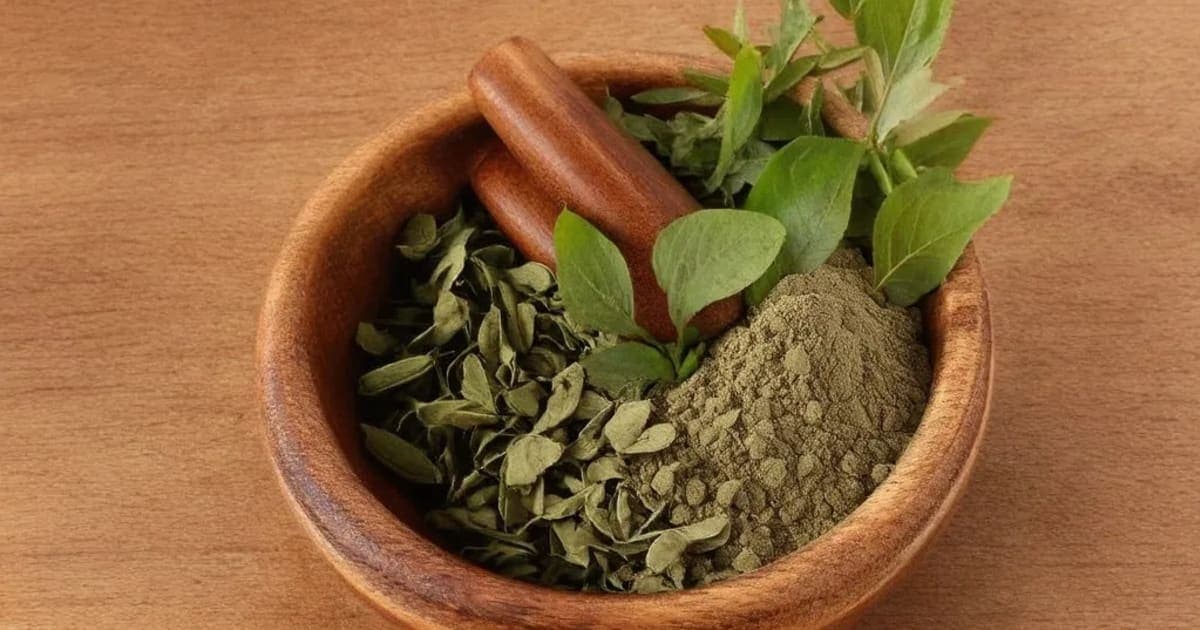
Masi (Charcoal): Ayurvedic Uses for Bleeding, Digestion & Dosha Balance
Expert Reviewed
Reviewed by AyurvedicUpchar Editorial Team
What is Masi and how do Ayurvedic practitioners use it?
Masi is a traditional Ayurvedic medicinal ash, typically prepared by calcining herbs or organic materials, used specifically to stop bleeding, heal ulcers, and balance Vata and Kapha doshas. Unlike common kitchen charcoal, this therapeutic ash is processed through specific fire rituals to retain its healing potency while removing toxicity. The name "Masi" literally translates to "soot" or "ash," reflecting its dark, powdery appearance and its origin from controlled burning. In classical practice, a grandmother might apply a paste of Masi mixed with ghee to a bleeding cut or a non-healing ulcer, knowing its astringent nature draws out moisture and seals the wound. It is not a daily tonic but a targeted tool for acute issues where drying and heating are required. > Quotable Fact: "Masi is unique among Ayurvedic substances because its extreme dryness and heat allow it to instantly stop hemorrhaging and close open wounds that resist standard treatments." Classical texts like the Bhavaprakash Nighantu categorize Masi under the section of substances used for Rakta Stambhana (stopping blood flow) and Vrana Ropana (wound healing), noting its ability to penetrate deep into tissues despite its light, powdery texture.
How does Masi interact with your body's doshas?
Masi primarily pacifies Vata and Kapha doshas due to its drying, heating, and astringent properties, making it ideal for conditions involving excess moisture, coldness, or instability. However, its intense heat means it can aggravate Pitta if used in high doses or for too long. When Vata is out of balance, you might feel anxious, experience dry skin, or suffer from joint stiffness and constipation. Masi's Laghu (light) and Ruksha (dry) qualities help ground this erratic energy. For Kapha imbalances, characterized by lethargy, excessive mucus, or sluggish digestion, the Ushna (hot) potency of Masi acts like a spark to the digestive fire, clearing out stagnant channels. Be cautious if you have a Pitta constitution or are currently experiencing inflammation, acid reflux, or skin rashes. The heat of Masi can fan these flames, turning a minor irritation into a burning sensation. Always consult a practitioner before using Masi internally, as the dosage must be precise to avoid irritating the delicate lining of the stomach.
What are the specific Ayurvedic properties of Masi?
The therapeutic effects of Masi are determined by five fundamental properties known as Panchamahabhuta principles. These properties explain why Masi stops bleeding and heals wounds: its astringent taste dries the tissue, while its hot potency improves circulation to the area for faster repair.
| Property (Sanskrit) | Value | What it means for your body |
|---|---|---|
| Rasa (Taste) | Kashaya (Astringent), Katu (Pungent) | Astringency dries fluids and stops bleeding; Pungency stimulates metabolism and clears blockages. |
| Guna (Quality) | Laghu (Light), Ruksha (Dry) | Lightness allows rapid absorption; dryness absorbs excess moisture from wounds or tissues. |
| Virya (Potency) | Ushna (Hot) | Heating energy improves digestion, circulation, and reduces cold-related Vata/Kapha symptoms. |
| Vipaka (Post-digestive effect) | Katu (Pungent) | The lingering effect after digestion remains heating and stimulating to the digestive fire. |
| Dosha Effect | Pacifies Vata, Kapha; Aggravates Pitta | Best for cold, dry, or heavy conditions; avoid in hot, inflammatory states. |
When should you avoid using Masi?
While Masi is powerful for stopping bleeding and healing ulcers, it should be avoided by individuals with high Pitta, active inflammation, or bleeding disorders caused by heat (like hemorrhoids with burning pain). Its drying nature can also worsen severe dehydration or chronic dry coughs. Specific scenarios where Masi is contraindicated include:
- Pregnancy: The heating and moving nature of Masi can disturb the fetus.
- Acute Fever: Adding heat to an already hot body can spike temperature and worsen symptoms.
- Chronic Constipation with Dryness: While it helps Vata, its extreme dryness can worsen hard stools if not paired with sufficient oils.
Frequently Asked Questions about Masi
What is Masi used for in Ayurveda?
Masi is primarily used to stop bleeding (hemostatic), heal chronic ulcers, and treat hemorrhoids. It is also applied to wounds to prevent infection and is occasionally taken internally in minute doses to treat Kapha-related respiratory congestion.
Can Masi be taken internally for digestion?
Yes, but only under strict supervision of an Ayurvedic practitioner. It is used in tiny quantities to ignite Agni (digestive fire) and clear Kapha blockages, but incorrect dosing can cause severe acidity or gastric burning.
Does Masi aggravate Pitta dosha?
Yes, Masi has Ushna Virya (hot potency) and Katu Vipaka (pungent post-digestive effect), which naturally increase Pitta. People with a fiery constitution or active inflammation should avoid it or use it only with cooling herbs like ghee or licorice.
How is Masi different from regular charcoal?
Unlike common charcoal used for grilling, medicinal Masi is prepared through specific calcination processes that remove toxic impurities and enhance its astringent properties. It is often combined with other herbs to target specific tissues rather than acting as a general absorbent.
Is Masi safe for children?
Masi is generally not recommended for children due to its intense heating and drying nature. Their delicate tissues can easily become damaged by the herb's potency unless a pediatric Ayurvedic specialist prescribes a highly diluted formulation.
Disclaimer: This article is for educational purposes only and does not constitute medical advice. Masi is a potent medicinal substance that requires precise formulation and dosage. Always consult a qualified Ayurvedic practitioner before using Masi, especially for internal use or if you are pregnant, nursing, or taking prescription medications.
Frequently Asked Questions
What is Masi used for in Ayurveda?
Masi is primarily used as a Fat Scraper in Ayurvedic medicine. A type of ash preparation, often made from herbs or animal products, used for its specific therapeutic effects. It pacifies Vata, Kapha dosha.
How should I take Masi?
Masi can be taken as powder (1/2-1 tsp with warm water or milk), decoction (boil 1 tsp in water), or tablets (1-2 daily). Always start with a low dose and consult an Ayurvedic practitioner for personalized guidance.
Is Masi safe during pregnancy?
Pregnant and nursing women should not take Masi without consulting their doctor first. Most Ayurvedic herbs require medical supervision during pregnancy.
Which dosha does Masi balance?
Masi pacifies Vata, Kapha. Excessive use may increase Pitta dosha.
Can I take Masi daily?
Masi can be taken daily in recommended doses for 4-8 weeks. After that, take a 2-week break before resuming. Long-term use should be supervised by a qualified Ayurvedic practitioner.
What are the side effects of Masi?
When taken in recommended doses, Masi is generally safe. Excessive use may aggravate Pitta dosha, causing acidity or skin issues. Stop use if you experience any adverse reaction.
Related Articles
The Timeless Benefits of Triphala: An Ayurvedic Powerhouse
Discover the transformative benefits of Triphala, an ancient Ayurvedic blend of three fruits that supports digestion, immunity, weight management, and overall vitality.
5 min read
The Divine Benefits of Tulsi (Holy Basil) in Ayurveda
Discover the sacred benefits of Tulsi (Holy Basil) in Ayurveda. From boosting immunity and reducing stress to supporting heart health and digestion, learn how this divine herb can transform your well-being.
4 min read
The Remarkable Benefits of Giloy: An Ayurvedic Powerhouse
Discover the profound health benefits of Giloy, the Ayurvedic 'root of immortality.' Learn how this powerful herb boosts immunity, manages diabetes, improves digestion, and supports skin, hair, and bone health.
5 min read
The Remarkable Benefits of Ashwagandha: An Ayurvedic Perspective
Discover the ancient wisdom of Ashwagandha, a powerful Ayurvedic adaptogen known for reducing stress, boosting immunity, improving sleep, and enhancing physical strength.
4 min read
Brihatyadi Kashayam: Natural Relief for Urinary Tract Disorders and Cystitis
Brihatyadi Kashayam is a cooling Ayurvedic decoction that targets urinary burning and cystitis by balancing Vata and Pitta. Unlike standard teas, this concentrated liquid extract is specifically designed to reduce inflammation in the bladder lining while flushing out toxins.
5 min read
Asphota: Ayurvedic Brain Tonic, Calming Herb & Blood Purifier
Often overlooked, Asphota is a cooling, bitter herb that acts as a gentle brain tonic and blood purifier. While it shares traits with the popular Aparajita, its unique astringent quality makes it particularly effective for stopping bleeding and soothing inflamed tissues.
6 min read
References & Sources
This article is based on principles from classical Ayurvedic texts including Charaka Samhita, Sushruta Samhita, and Ashtanga Hridaya. Content has been reviewed for accuracy by our editorial team. For specific medical conditions, always consult a qualified Ayurvedic practitioner or healthcare provider.
- • Charaka Samhita (चरक संहिता)
- • Sushruta Samhita (सुश्रुत संहिता)
- • Ashtanga Hridaya (अष्टांग हृदय)
Found an error in this article? Let us know